What Are the Benefits of Using an Energy Storage Battery?
Discover the benefits of using an energy storage battery, including lower energy costs, solar power support, backup power, better energy efficiency, and greater energy independence.
2026/08/18
Reading volume: 1
News Details
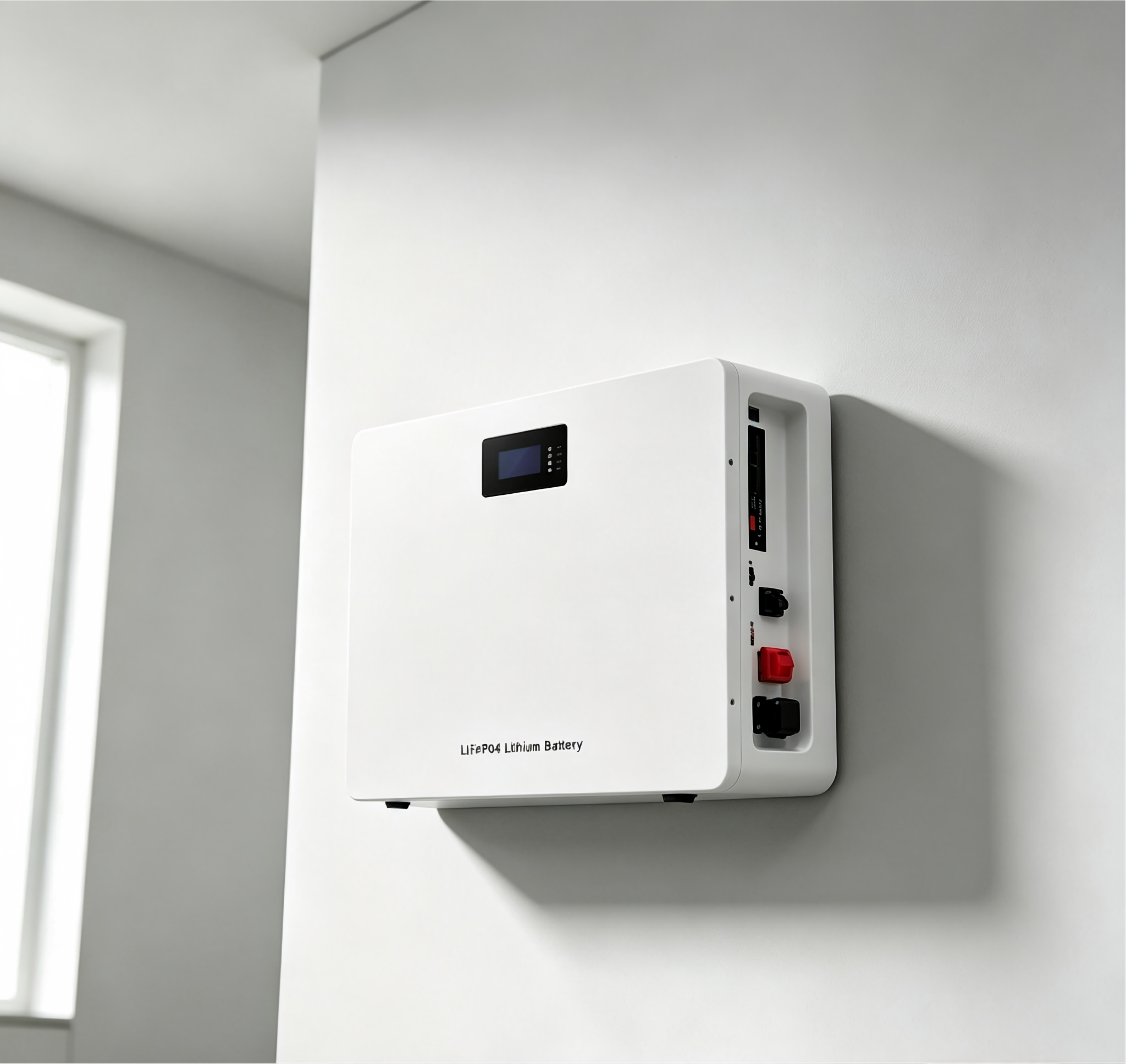
As energy needs continue to grow, more homes and businesses are looking for better ways to use and store electricity. An energy storage battery can store power when it is available and release it when it is needed. As a result, energy storage systems can improve energy use, lower electricity costs, and provide backup power.
In addition, energy storage batteries work well with solar power systems. They allow users to store extra solar energy during the day and use it at night or during periods of low sunlight. Therefore, they are becoming an important part of modern energy systems.
What Is an Energy Storage Battery?
An energy storage battery is a device that stores electrical energy for later use. It usually works as part of an energy storage system, which may include batteries, an inverter, a battery management system, and other control equipment.
For example, a solar energy system can produce more electricity than a home or factory needs during the day. Instead of sending all the extra power to the grid, the energy storage battery can store it. Then, the stored energy can be used when solar power is not available.
Today, lithium-ion batteries are widely used for energy storage because they offer high energy density, good efficiency, and a long service life.
What Are the Main Benefits of Energy Storage Batteries?
Energy storage batteries offer several important benefits. They can improve energy efficiency, support renewable energy, and provide reliable power when the main grid is unavailable.
Energy Storage Batteries Improve Energy Efficiency
One key benefit of an energy storage battery is better energy use. Electricity can be stored when demand is low and used when demand is higher.
For example, a business can charge its battery during off-peak hours. Later, it can use the stored electricity during peak hours. In this way, the business can make better use of available power and may reduce energy costs.
Energy Storage Batteries Support Solar Energy
Solar panels produce electricity only when sunlight is available. However, electricity demand does not always match solar production.
This is where battery energy storage becomes useful. Extra solar power produced during the day can be stored in the battery. Then, the stored energy can be used in the evening, at night, or during cloudy periods.
As a result, an energy storage battery can help increase the amount of solar energy that a home or business uses directly.
Energy Storage Batteries Provide Backup Power
Power outages can affect homes, factories, offices, and other facilities. Therefore, reliable backup power is important for many users.
An energy storage system can provide power when the grid goes down. Depending on the system size, it can support important equipment such as lights, communication devices, computers, security systems, and production equipment.
Unlike a traditional generator, a battery energy storage system can provide power quickly and quietly.
Energy Storage Batteries Can Reduce Electricity Costs
Electricity prices can change during the day. In some markets, electricity is more expensive during peak demand periods.
An energy storage battery allows users to store electricity when prices are lower and use it when prices are higher. This practice is often called energy arbitrage.
Therefore, commercial and industrial users can use battery storage to manage energy costs more effectively.
Energy Storage Batteries Help Balance Renewable Energy
Renewable energy sources such as solar and wind are clean, but their power output can change with weather conditions.
For example, solar power falls when sunlight decreases. Wind power can also change as wind speed changes.
Energy storage batteries can store extra renewable energy and release it when production drops. Therefore, they help make renewable energy more stable and easier to use.
Energy Storage Batteries Reduce Dependence on the Grid
Another benefit is greater energy independence. With an energy storage battery, users do not need to rely entirely on grid electricity.
When combined with solar panels, a battery storage system can provide a large part of a property's daily energy needs. In addition, it can keep essential loads running during grid interruptions.
This makes energy storage especially useful for homes, remote sites, commercial buildings, and industrial facilities.
How Does a Solar Energy Storage Battery Work?
A solar battery storage system usually follows a simple process.
First, solar panels generate electricity during the day. Next, the system supplies power to the connected loads. If the solar panels produce more electricity than the loads need, the extra energy is sent to the battery.
Then, when solar production decreases, the battery can release the stored energy. The inverter converts the battery's DC power into AC power for common electrical equipment.
Therefore, solar panels and energy storage batteries can work together to improve the overall use of renewable energy.
What Are the Benefits of Energy Storage Batteries for Businesses?
For commercial and industrial users, energy storage can offer even more value. Large facilities often have high power demand, so energy costs can be a major operating expense.
With a suitable battery energy storage system, businesses can:
- Reduce peak electricity demand
- Store low-cost electricity for later use
- Use more self-generated solar energy
- Improve backup power capability
- Support important equipment during outages
- Improve overall energy management
- Reduce dependence on traditional grid power
Moreover, energy storage can help businesses build a more flexible and efficient power system.
How to Choose the Right Energy Storage Battery?
Choosing the right battery depends on the actual energy needs of the project. Before purchasing an energy storage battery, users should consider several factors.
Battery Capacity
Battery capacity shows how much energy the battery can store. A larger system can store more electricity, but it also usually requires a higher investment.
Therefore, capacity should be selected according to daily energy use, backup needs, and solar generation.
Battery Power
Battery capacity and battery power are not the same. Capacity tells you how much energy the battery can store, while power tells you how much electricity it can deliver at one time.
For example, a facility with high-power equipment may need a battery system with a higher output power.
Battery Life
Battery life is another important factor. A high-quality energy storage battery should provide stable performance over many charge and discharge cycles.
Therefore, buyers should check the expected cycle life, operating conditions, and warranty before making a decision.
Safety and Battery Management
Safety is also essential. A reliable battery energy storage system should include a suitable battery management system.
The battery management system helps monitor voltage, current, temperature, and other key conditions. It can also provide protection against overcharging, over-discharging, and abnormal operating conditions.
Compatibility
Finally, the battery should be compatible with the inverter, solar system, and other equipment. Good system compatibility helps improve performance and makes installation easier.
Why Are Energy Storage Batteries Important for the Future?
As renewable energy continues to grow, energy storage will become increasingly important. Solar and wind power can produce large amounts of clean electricity, but energy production does not always match energy demand.
Energy storage batteries help solve this problem by storing electricity when supply is high and releasing it when demand increases.
At the same time, improvements in battery technology are helping increase energy density, safety, service life, and system efficiency. Therefore, battery energy storage is expected to play an important role in homes, commercial buildings, factories, microgrids, and renewable energy projects.
Conclusion: Why Use an Energy Storage Battery?
So, what are the benefits of using an energy storage battery?
An energy storage battery can improve energy efficiency, support solar power, reduce electricity costs, provide backup power, and increase energy independence. In addition, it helps make renewable energy more stable and easier to use.
For homes, businesses, and industrial facilities, choosing the right battery energy storage system can provide both immediate and long-term value. As clean energy demand continues to rise, energy storage batteries will remain an important solution for building a more flexible and reliable energy system.
Share to:


