How Does a Battery Energy Storage System Work?
Learn how a battery energy storage system works, including battery charging, energy storage, power conversion, BMS, EMS, and key BESS applications.
2026/08/18
Reading volume: 0
News Details
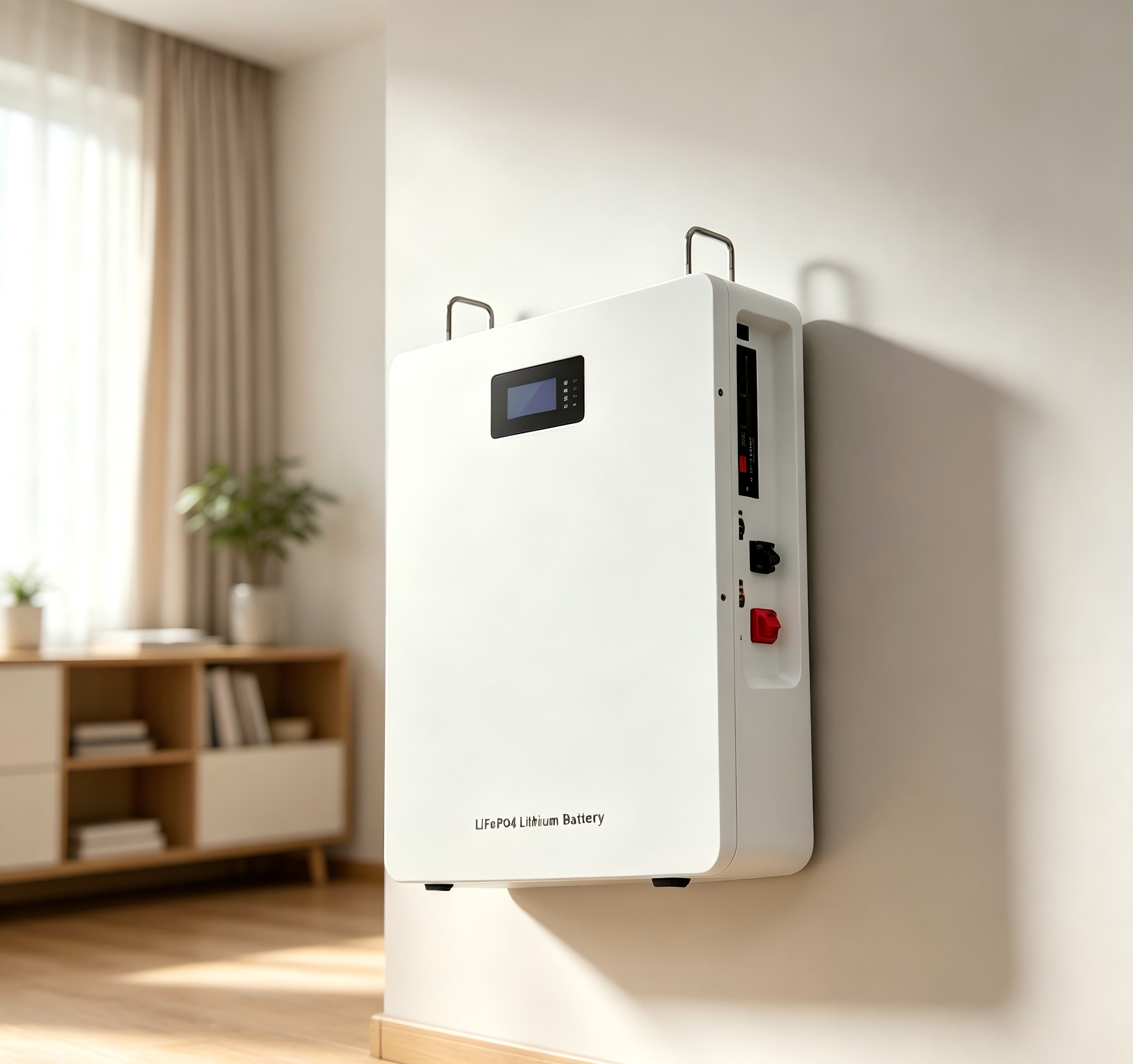
A battery energy storage system, often called a BESS, stores electrical energy in batteries and supplies it when needed. As renewable energy becomes more common, energy storage systems are playing a key role in modern power systems.
So, how does a battery energy storage system work? In simple terms, it takes electricity from the grid or renewable sources, converts and stores that energy in batteries, and then releases it when demand increases.
For homes, businesses, factories, and renewable energy projects, a BESS can improve energy use, reduce power costs, and provide backup power.
How Does a Battery Energy Storage System Store Energy?
The basic job of a battery energy storage system is to store electricity for later use.
When there is extra power, the system charges its batteries. For example, a solar energy system may produce more electricity than a building needs during the day. Instead of sending all the extra power to the grid, the BESS can store part of it.
The stored energy can then be used later. This is especially useful at night, during peak demand periods, or when renewable energy production is low.
Therefore, a BESS helps match power supply with power demand.
What Are the Main Components of a Battery Energy Storage System?
A battery energy storage system includes several key parts. Each part has a different role, but they work together as one system.
Battery Modules and Battery Packs
The battery is the core of the energy storage system. Lithium iron phosphate, also known as LiFePO4 or LFP, is widely used because it offers good safety, long cycle life, and stable performance.
Several battery cells are connected to form battery modules. These modules are then combined into battery packs or larger battery cabinets.
Battery Management System
The Battery Management System, or BMS, monitors the battery during operation.
It checks important data such as voltage, current, temperature, and state of charge. In addition, it helps protect the battery from overcharging, deep discharge, overheating, and other unsafe conditions.
As a result, the BMS helps improve battery safety and service life.
Power Conversion System
The Power Conversion System, or PCS, manages the flow of electricity between the batteries and the power grid or electrical loads.
When the battery is charging, the PCS converts AC power into DC power. When the battery is discharging, it converts DC power back into AC power.
This two-way conversion allows the battery energy storage system to charge and discharge as needed.
Energy Management System
The Energy Management System, or EMS, controls how the energy storage system operates.
It can decide when to charge, when to discharge, and how much power to deliver. For example, the EMS may charge the battery when electricity prices are low and discharge it when prices are high.
Therefore, the EMS plays an important role in improving energy efficiency and reducing operating costs.
Thermal Management and Safety System
Battery temperature can affect both safety and performance. For this reason, many BESS solutions use air cooling or liquid cooling systems.
The system may also include fire detection, fire suppression, smoke detection, insulation, and other safety functions.
These systems work together to create a safer operating environment.
How Does a Battery Energy Storage System Work Step by Step?
The working process of a BESS can be divided into several simple steps.
Step 1: The System Receives Electricity
First, electricity comes from a power source. This source may be the utility grid, solar panels, wind turbines, or another generation system.
Step 2: The PCS Converts the Power
Next, the Power Conversion System changes the electricity into the correct form for battery charging.
For example, when AC electricity comes from the grid, the PCS converts it into DC electricity for the battery.
Step 3: The Battery Stores the Energy
The battery stores the electrical energy through an electrochemical process.
At the same time, the BMS monitors the battery's voltage, current, and temperature to keep the charging process within safe limits.
Step 4: The EMS Manages Energy Use
The EMS checks power demand, battery status, electricity prices, and other operating conditions.
Then, it determines whether the system should continue charging, stop charging, or prepare for discharge.
Step 5: The Battery Releases Energy
When power is needed, the battery sends DC electricity to the PCS.
The PCS converts the DC power into AC power. Finally, the AC electricity is supplied to homes, factories, commercial buildings, or the grid.
This process can happen automatically based on the system's settings.
How Does a BESS Work With Solar Energy?
Battery energy storage systems and solar power systems are often used together.
Solar panels usually produce the most electricity during the daytime. However, electricity demand may remain high after sunset.
A BESS solves this timing problem. During the day, the battery can store excess solar power. Later, the stored energy can supply the load when solar production drops.
For example, a solar plus storage system can work in this way:
- Solar panels generate electricity during the day.
- The building uses the electricity it needs.
- Extra solar power charges the battery.
- The battery stores the unused energy.
- In the evening, the battery supplies power to the building.
- The grid supplies additional power when the battery is not enough.
As a result, more solar energy can be used locally instead of being wasted or exported.
What Happens When a Battery Energy Storage System Discharges?
During discharge, the stored chemical energy in the battery is converted back into electrical energy.
The battery produces DC electricity. Then, the PCS converts the DC electricity into AC electricity for the load or grid.
At the same time, the BMS continues to monitor battery conditions. The EMS controls the discharge rate based on system demand and operating settings.
Therefore, the system can deliver stable power while keeping the battery within safe operating limits.
What Are the Main Applications of Battery Energy Storage Systems?
Battery energy storage systems can be used in many different applications.
Peak Shaving and Load Management
Electricity demand can change during the day. A BESS can discharge during high-demand periods to reduce peak power use.
This can help businesses manage demand charges and improve energy efficiency.
Renewable Energy Storage
Solar and wind power are not always available. A BESS can store renewable energy when production is high and release it when production falls.
Therefore, energy storage can help make renewable power more flexible.
Backup Power
A battery energy storage system can provide backup power when the grid fails.
Depending on system design, it can support critical equipment such as communication systems, servers, production equipment, lighting, and other important loads.
Microgrid Energy Storage
BESS technology is also widely used in microgrids.
A microgrid can combine solar power, batteries, generators, and local loads. The battery helps balance these different power sources and can support stable operation.
Grid Support
Large-scale energy storage systems can also support the power grid.
They can provide services such as frequency regulation, voltage support, energy shifting, and other grid balancing functions.
What Are the Benefits of Battery Energy Storage Systems?
A well-designed BESS can provide several benefits.
First, it improves the use of renewable energy by storing excess power for later use.
Second, it can reduce electricity costs by shifting energy use from expensive periods to lower-cost periods.
Third, it can provide backup power for critical loads.
In addition, battery storage can improve power quality and help balance supply and demand.
Finally, as battery technology continues to improve, energy storage systems are becoming more flexible and suitable for a wider range of applications.
How Long Can a Battery Energy Storage System Provide Power?
The backup time of a BESS depends on its battery capacity and the power demand of the load.
For example, a 100 kWh battery does not always provide the same backup time. If the connected load uses 20 kW, the theoretical runtime is about five hours before considering system losses and other limits.
If the load increases to 50 kW, the theoretical runtime drops to about two hours.
Therefore, BESS capacity should be selected based on both energy needs and power needs.
What Factors Should You Consider When Choosing a BESS?
Before choosing a battery energy storage system, several factors should be considered.
Battery Capacity
Battery capacity is normally measured in kWh or MWh. It determines how much energy the system can store.
Power Rating
Power is measured in kW or MW. It determines how quickly the system can charge or discharge energy.
Battery Chemistry
Different battery chemistries have different characteristics. LFP batteries are widely used in modern BESS projects because of their safety and long cycle life.
Cycle Life
Cycle life refers to how many charge and discharge cycles a battery can complete while maintaining its required performance.
Safety
A complete BESS should have suitable battery protection, thermal management, monitoring, and fire safety systems.
Operating Environment
Temperature, humidity, installation space, and other site conditions can affect system performance. Therefore, the BESS should be designed for its actual installation environment.
Why Is Battery Energy Storage Important for the Future?
As the world uses more solar and wind power, energy storage will become increasingly important.
Renewable energy production can change with weather and time. However, electricity demand does not always follow the same pattern.
Battery energy storage helps solve this mismatch by storing electricity when supply is high and releasing it when supply is lower.
In addition, battery storage can help reduce pressure on power grids, improve renewable energy use, and provide flexible power for homes, businesses, and industrial sites.
How Does a Battery Energy Storage System Work in Simple Terms?
In simple terms, a battery energy storage system works like a large rechargeable power bank.
It takes electricity when power is available, stores that energy in batteries, and releases it when power is needed.
The battery stores the energy, the BMS protects and monitors the battery, the PCS manages power conversion, and the EMS controls the overall energy flow.
Together, these components allow a BESS to provide reliable and flexible energy storage for renewable energy, peak shaving, backup power, microgrids, and grid support.
As a result, battery energy storage systems are becoming an important part of the transition toward a cleaner and more flexible energy system.
Share to:


