How to Choose the Right Energy Storage Battery for Solar Systems?
Learn how to choose the right energy storage battery for solar systems. Discover key factors including battery capacity, DoD, cycle life, efficiency, safety, voltage, and solar inverter compatibility.
2026/08/18
Reading volume: 1
News Details
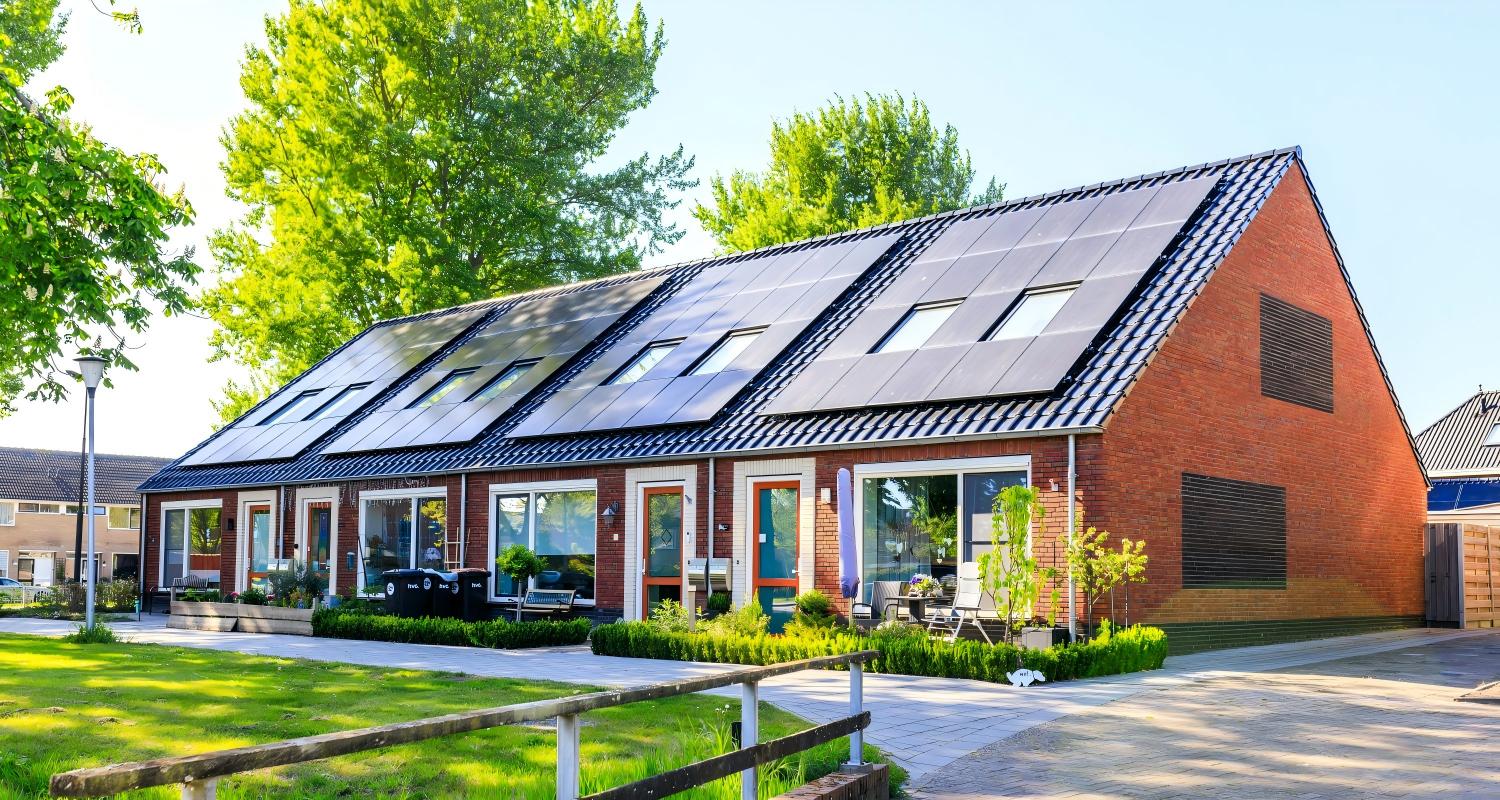
Choosing the right energy storage battery is one of the most important steps when building a solar energy system. A good battery can store extra solar power during the day and provide reliable energy at night or during a power outage. However, with so many battery types, capacities, and voltage options available, it can be hard to know which one is right for your system.
Fortunately, the choice becomes easier when you look at a few key factors. These include battery chemistry, capacity, voltage, depth of discharge, cycle life, efficiency, safety, and system compatibility.
Why Is the Right Energy Storage Battery Important for Solar Systems?
Solar panels produce the most electricity during the day. However, many homes and businesses need more power in the evening. Therefore, an energy storage battery can save extra solar energy and make it available when solar production is low.
The right battery can help you:
- Store excess solar power for later use
- Increase solar energy self use
- Reduce reliance on the power grid
- Provide backup power during outages
- Improve overall solar system efficiency
- Support stable energy use
In addition, a properly sized battery can help prevent wasted solar energy. As a result, your solar system can provide more value over its working life.
What Types of Energy Storage Batteries Are Used in Solar Systems?
Before choosing a battery, you should understand the main battery types available for solar energy storage.
Lithium Iron Phosphate Batteries for Solar Energy Storage
Lithium iron phosphate batteries, often called LiFePO4 batteries, are widely used in modern solar energy storage systems.
They offer several benefits, including good safety, long cycle life, high energy efficiency, and stable performance. They also provide a useful balance between performance and long term value.
For residential and commercial solar systems, LiFePO4 is often a practical choice.
Lead Acid Batteries for Solar Systems
Lead acid batteries have been used in energy storage systems for many years. They are usually lower in upfront cost and have a simple design.
However, they are heavier and generally have a shorter cycle life than lithium batteries. They also often require more maintenance.
Therefore, lead acid batteries may be suitable for some budget focused or basic energy storage applications, but they are not always the best choice for modern solar systems.
How Do You Calculate Solar Battery Capacity?
Battery capacity is one of the most important factors to consider. It is usually measured in kilowatt hours, or kWh.
To estimate the battery size you need, first calculate your daily energy use. Then, decide how much of that energy you want the battery to supply.
For example, if your home uses 20 kWh of electricity each day and you want the battery to cover 50 percent of your daily use, you may need around 10 kWh of usable storage.
However, real systems also need to consider depth of discharge, battery efficiency, weather, and backup requirements.
Therefore, do not choose a battery based only on its total capacity. Instead, focus on its usable capacity.
What Is Depth of Discharge in Solar Batteries?
Depth of discharge, or DoD, shows how much of a battery's stored energy can normally be used.
For example, a battery with a 10 kWh capacity and a 90 percent DoD can provide about 9 kWh of usable energy.
A higher DoD can allow you to use more stored energy without increasing the total battery size. Therefore, DoD should always be checked when comparing solar batteries.
How Does Battery Cycle Life Affect Solar Battery Selection?
Cycle life refers to how many charge and discharge cycles a battery can complete before its performance falls to a certain level.
If you use your solar battery every day, cycle life becomes especially important. A battery with a longer cycle life can provide reliable service for more years.
For this reason, you should compare both the battery's cycle life and its warranty. A lower purchase price does not always mean a lower total cost.
Why Is Battery Efficiency Important for Solar Energy Storage?
Battery efficiency shows how much energy you can get back after charging the battery.
For example, if you put 10 kWh of solar energy into a battery, you will not normally get the full 10 kWh back. Some energy is lost during charging and discharging.
Higher round trip efficiency means less energy is wasted. Therefore, an efficient battery can help you make better use of the electricity produced by your solar panels.
How Do Voltage and Solar Battery Compatibility Matter?
The battery must match the voltage and operating requirements of the solar energy system.
For example, the battery should be compatible with the solar inverter, battery management system, charging system, and other key components.
Before purchasing a battery, check:
- Battery voltage
- Continuous charging current
- Continuous discharge current
- Peak power
- Inverter compatibility
- Communication protocols
- Battery management system requirements
Most importantly, do not assume that batteries from different brands can work together. Always check the technical specifications and compatibility requirements.
How Does Battery Safety Affect Solar Energy Storage?
Safety should always be a major factor when choosing an energy storage battery.
A high quality battery should include suitable protection systems. For lithium batteries, a battery management system can monitor important conditions such as voltage, current, and temperature.
In addition, the battery should have suitable protection against overcharging, over-discharging, short circuits, and excessive temperature.
Therefore, choosing a battery from a reliable manufacturer is just as important as choosing the right capacity.
Should You Choose a Residential or Commercial Solar Battery?
Your application will also affect your battery choice.
For residential solar systems, the battery usually needs to support daily energy use and provide backup power. Compact design, safety, easy installation, and low maintenance can be important.
Commercial solar systems usually have higher energy demands. They may require larger battery capacity, higher power output, flexible expansion, and advanced energy management.
As a result, commercial projects often need a more detailed system design before selecting the battery.
How Much Solar Battery Storage Do You Really Need?
There is no single battery size that works for every solar system.
Your ideal storage capacity depends on several factors, such as:
- Daily electricity consumption
- Solar panel capacity
- Local solar production
- Evening energy demand
- Backup power needs
- Grid availability
- Desired backup time
- Budget
- Future energy demand
For example, a small home may only need a battery for evening use. On the other hand, a large home, office, factory, or remote site may need much more storage.
Therefore, it is better to size the battery based on actual energy needs instead of simply choosing the largest available battery.
What Should You Consider When Comparing Solar Energy Storage Battery Costs?
Battery price is important, but it should not be the only factor.
Instead of looking only at the initial purchase price, consider the total cost over the battery's service life.
You should compare:
- Initial battery cost
- Usable energy capacity
- Cycle life
- Warranty period
- Round trip efficiency
- Installation cost
- Maintenance needs
- Replacement cost
- Expansion options
A battery with a higher initial price may offer better long term value if it has a longer service life and higher usable capacity.
How Can You Choose the Best Energy Storage Battery for Your Solar System?
A simple selection process can make the decision easier.
First, calculate your daily electricity consumption. Next, determine how much solar energy you want to store. Then, decide whether the battery is mainly for daily energy use, backup power, or both.
After that, compare battery chemistry, capacity, usable energy, DoD, cycle life, efficiency, safety, and compatibility.
Finally, check the manufacturer's warranty and technical support.
In short, the best energy storage battery is not always the battery with the largest capacity or the lowest price. It is the battery that matches your solar system, energy needs, budget, and long term goals.
Why Choose a Reliable Energy Storage Battery Manufacturer?
A reliable manufacturer can provide more than a battery. They can also offer technical support, system matching, product customization, and after sales service.
For solar energy projects, this can make a major difference. A well designed battery system can improve energy use, support stable operation, and reduce long term maintenance problems.
Therefore, when comparing energy storage battery suppliers, look at product quality, production experience, certifications, technical support, customization options, and warranty service.
Final Thoughts on Choosing an Energy Storage Battery for Solar Systems
Choosing the right energy storage battery requires more than checking the battery capacity. You need to consider battery chemistry, usable capacity, DoD, cycle life, efficiency, voltage, safety, compatibility, and total cost.
At the same time, your energy consumption and backup needs should guide the final decision.
With the right battery, a solar system can use more of its own clean energy and provide greater energy independence. Therefore, take time to compare your options and choose an energy storage solution that fits your current needs while allowing room for future growth.
Share to:


