Solar Inverter and Energy Storage Battery Solutions for Solar Systems
Explore solar inverter and energy storage battery solutions for home, commercial, industrial, backup, and off-grid solar systems.
2026/09/17
Reading volume: 0
News Details
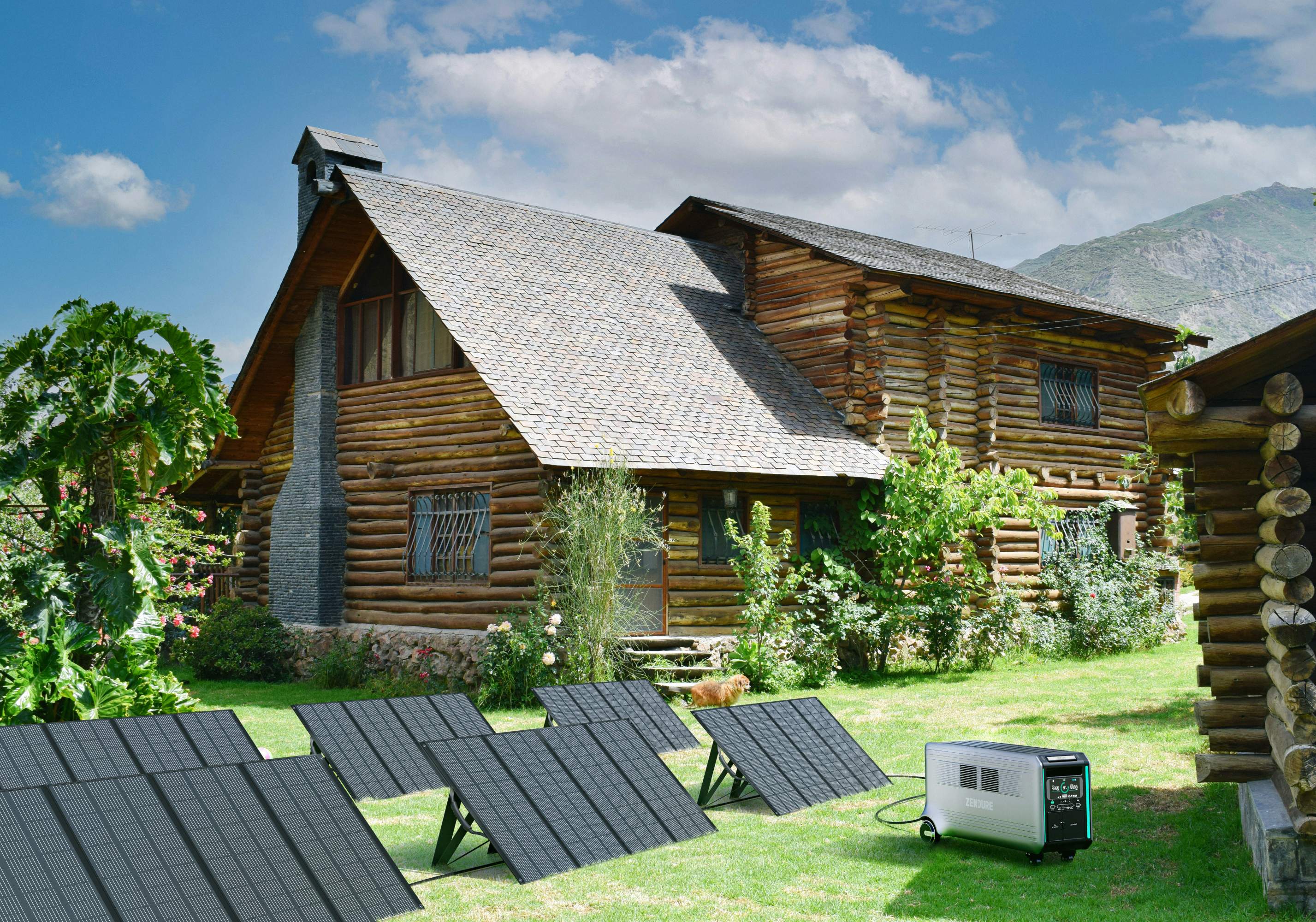
Solar energy is becoming an important part of modern power systems. However, solar panels do not produce power at the same level all day. They produce more power during sunny hours and less power at night or on cloudy days. Therefore, a reliable solar system needs more than solar panels.
A solar inverter and energy storage battery work together to make solar power more useful. The inverter converts and manages electrical power, while the battery stores extra energy for later use. As a result, users can make better use of the solar energy they generate.
Hengnova Energy provides solar inverter and energy storage battery solutions for homes, commercial sites, industrial facilities, and off-grid applications. The company focuses on OEM production and offers customizable new energy products for different market needs.
How Solar Inverters and Energy Storage Batteries Work Together
Solar panels generate direct current (DC) electricity. However, most homes and businesses use alternating current (AC) power. A solar inverter converts DC power into AC power so electrical equipment can use it.
At the same time, an energy storage battery can store extra solar power. For example, if solar panels produce more electricity than a building needs during the day, the system can send the extra energy to the battery.
Later, when solar output drops, the stored energy can supply the load. This can happen in the evening, at night, or during periods of low solar output.
Therefore, the main process is simple:
Solar panels generate power.
The solar inverter manages and converts the power.
The battery stores extra energy.
The inverter sends usable power to electrical loads.
The system can also work with the utility grid when needed.
This combination helps create a more flexible solar energy system.
Solar Inverter Solutions for Home and Commercial Solar Systems
A solar inverter is one of the key parts of a solar energy system. It controls how electricity moves between solar panels, batteries, the grid, and electrical loads.
Hengnova offers hybrid solar inverters from 1.2kW to 15kW. These inverters combine an MPPT solar charger and inverter in one unit. They support both grid-tied and off-grid operation. They can also work with lithium and lead-acid batteries.
For home applications, single-phase models can support residential solar and energy storage systems. For commercial applications, three-phase models can provide a suitable power solution.
Hengnova solar inverters also offer features such as:
- MPPT solar charging
- Grid-tied operation
- Off-grid operation
- Lithium and lead-acid battery compatibility
- Wi-Fi monitoring
- Pure sine wave output
- Home energy storage support
- Backup power support
These features allow one inverter platform to serve different solar power needs.
Energy Storage Battery Solutions for Solar Power
Solar batteries store electricity for use at a later time. This is especially useful when solar production is higher than current power demand.
Hengnova provides LiFePO₄ energy storage batteries for residential, off-grid, and commercial and industrial backup applications. The batteries use Grade A lithium iron phosphate cells and include an intelligent BMS protection system.
The battery range includes 25.6V and 51.2V options. Capacity options range from 100Ah to 628Ah. Different installation designs are also available, including wall-mounted, floor-standing, stackable, and rack-mounted models.
The batteries support parallel connection. Therefore, users can expand storage capacity when their power needs increase.
This flexible design makes the batteries suitable for different system sizes. A small home may need a compact battery system, while a larger commercial project may need several battery units connected together.
LiFePO₄ Batteries for Reliable Solar Energy Storage
LiFePO₄, or lithium iron phosphate, is widely used in energy storage systems. It provides a stable battery chemistry and can support long-term energy storage needs.
Hengnova's energy storage batteries feature a cycle life of up to 8,000 cycles. They also use an intelligent BMS to help monitor and protect the battery system.
The BMS can play an important role in battery management. It helps monitor battery conditions and supports safer system operation.
In addition, LiFePO₄ batteries can be combined with compatible solar inverters. This makes them suitable for complete solar-plus-storage systems.
All-in-One Solar Inverter and Battery Systems
For some users, an integrated energy storage system can make installation easier. Instead of selecting and connecting separate inverter and battery products, an all-in-one system combines the main components in one unit.
Hengnova offers an integrated inverter and energy storage system that combines an inverter with LiFePO₄ batteries. This design helps reduce compatibility concerns between the inverter and battery.
The system is available in several configurations, including:
- Portable systems
- Wall-mounted home systems
- Floor-standing whole-house systems
- Stackable systems for commercial and industrial use
The integrated system supports solar charging, grid power support, electricity export, and UPS switching during power outages. It also uses pure sine wave output and a BMS protection system.
As a result, an integrated solar energy storage system can provide a simple option for users who want both power conversion and energy storage in one solution.
Solar Battery Backupfor Homes and Businesses
Power outages can affect homes, shops, factories, and other facilities. A battery energy storage system can provide backup power when the grid is unavailable.
During normal operation, solar panels can provide power to the building and charge the battery. When solar power is not enough, the system can use grid power or stored battery energy.
During a power outage, the stored energy can help supply important loads. The actual backup time depends on the battery capacity, load size, and system design.
Hengnova's integrated systems support UPS mode for power backup. Its hybrid solar inverters also support off-grid operation, making them suitable for backup and independent power applications.
Off-Grid Solar Inverter and Battery Solutions
Not every location has stable access to the power grid. Remote homes, rural sites, small facilities, and special projects may need independent power.
An off-grid solar system can combine solar panels, a solar inverter, and energy storage batteries. Solar panels provide energy during the day, while batteries store energy for later use.
Hengnova's hybrid solar inverters support off-grid operation and can work with lithium or lead-acid batteries. The company also offers LiFePO₄ batteries for off-grid solar power systems.
This type of system can provide an independent power source where grid access is limited or unavailable.
Solar Energy Storage Solutions for Different Applications
Different users have different power needs. Therefore, one standard system may not fit every project.
For residential applications, a wall-mounted or floor-standing battery can provide a practical storage option. A hybrid inverter can manage solar power, battery charging, and household loads.
For shops and small businesses, an integrated system can provide solar power and backup energy in one package.
For commercial and industrial applications, larger battery capacity and stackable or rack-mounted designs can provide more flexibility.
For remote areas, an off-grid inverter and battery system can provide independent power without relying on the utility grid.
Hengnova's product range covers these different application needs, including homes, shops, small and medium-sized factories, off-grid locations, and commercial and industrial backup power systems.
What to Consider When Choosing a Solar Inverter and Battery
Choosing the right solar inverter and battery requires careful planning. First, users should check the required system power. The inverter should have enough capacity to handle the connected loads.
Next, battery capacity should match the expected energy use. A larger battery can store more energy, but the required size depends on daily consumption and backup needs.
Battery voltage is also important. The inverter and battery must be compatible.
Installation space should be considered as well. Wall-mounted, floor-standing, stackable, and rack-mounted batteries offer different installation options.
Finally, users should consider monitoring and system management. Wi-Fi monitoring, BMS protection, and flexible operating modes can make system management easier.
Why Choose Hengnova Solar Energy Solutions
Hengnova Energy Technology (Yantai) Co., Ltd. specializes in OEM production of solar inverters and energy storage batteries. The company states that it focuses on rapid customization and cost-effective new energy products.
Its product range includes hybrid solar inverters, LiFePO₄ energy storage batteries, and integrated inverter and battery systems.
The company also supports different product configurations and application scenarios. This makes its solutions suitable for residential, commercial, industrial, backup, and off-grid solar projects.
For customers looking for customized solar energy products, OEM production can also provide more flexibility in product design and system requirements.
Build a Complete Solar Inverter and Battery System
A solar panel system can produce clean electricity, but energy storage can make that electricity more flexible and useful. The solar inverter manages power conversion and system operation, while the battery stores energy for later use.
Together, they can support solar self-use, backup power, grid-tied operation, and off-grid applications.
Hengnova provides solar inverter and energy storage battery solutions that cover these needs. With hybrid inverters, LiFePO₄ batteries, and integrated inverter and storage systems, Hengnova can support different solar energy applications and customized project requirements.
As solar energy continues to grow, combining solar power generation with reliable energy storage can help users build more flexible and practical power systems.
Share to:


