What Are the Benefits of Combining Solar Inverters with Energy Storage Batteries?
了解在家庭、商用、备用及离网太阳能系统中将太阳能逆变器与储能电池搭配使用的优势。
2026/09/23
Reading volume: 1
News Details
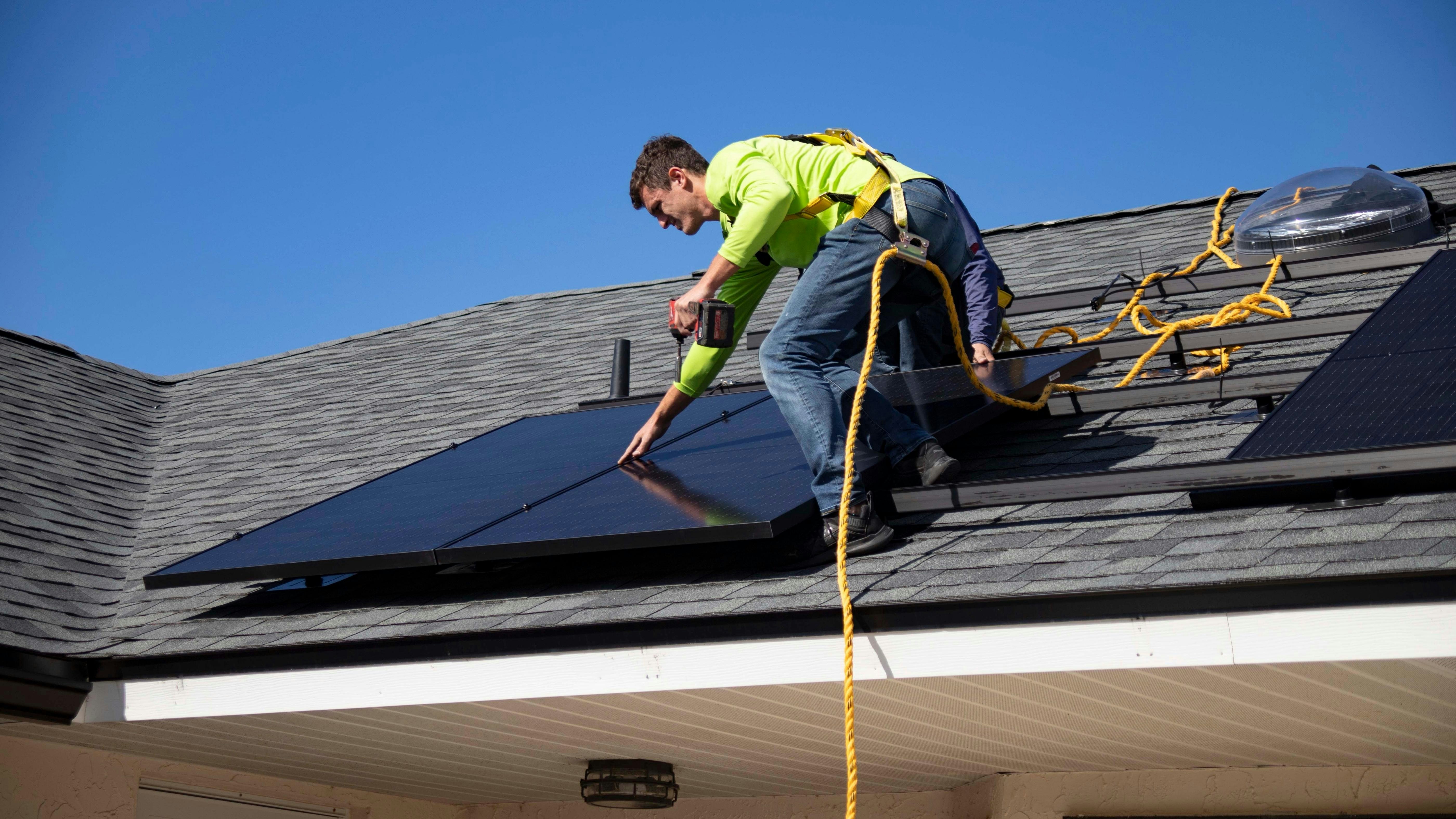
Solar power is becoming a practical choice for homes, businesses, factories, and off-grid projects. However, solar panels only produce power when sunlight is available. This is why many solar systems now combine a solar inverter with an energy storage battery.
By working together, these two key components can help make solar power more stable, flexible, and useful. The inverter manages power conversion, while the battery stores extra energy for later use. As a result, users can make better use of the electricity generated by their solar panels.
In this article, we will explain the main benefits of combining solar inverters with energy storage batteries and how an integrated solar energy storage system can support different applications.
How Do Solar Inverters and Energy Storage BatteriesWork Together?
A solar inverter converts the DC power generated by solar panels into AC power that can be used by electrical devices. It can also manage power between the solar panels, battery, grid, and loads.
An energy storage battery, on the other hand, stores extra electricity. When solar production is higher than current demand, the system can send surplus power to the battery. Later, the stored energy can be used when solar production is low.
For example, during the day, solar panels may generate more electricity than a home needs. Instead of wasting the extra power, the system can store it in a battery. At night, the stored energy can then supply household loads.
Therefore, combining a solar inverter and energy storage battery creates a more complete energy management system.
Solar Energy Storage Improves Solar Power Use
One major benefit of combining solar inverters with batteries is better use of solar energy.
Without battery storage, solar power is mainly used when the panels are producing electricity. Any extra power may need to be exported to the grid, depending on the local system and electricity rules.
With an energy storage battery, excess solar power can be stored for later. This allows users to use more of the electricity generated by their own solar system.
For homes, this can be useful during the evening when solar panels are no longer producing power. For commercial buildings and factories, stored energy can also support loads outside peak solar production hours.
As a result, a solar inverter with battery storage can improve the flexibility of a solar power system.
Solar Inverters with Batteries Provide Backup Power
Another important benefit is backup power.
Power interruptions can affect homes, shops, offices, factories, and other facilities. A solar energy storage system can provide stored electricity when the grid is unavailable, depending on the system design and configuration.
Hybrid solar inverters can manage different power sources and switch between operating modes. This makes them suitable for systems that need both normal grid operation and backup power.
For example, HENGNOVA'sintegrated inverter and energy storage system supports solar charging, grid power support, and UPS mode switching during power cuts. It uses pure sine wave output and an intelligent battery management system for system protection.
This type of system can therefore help maintain power for important loads when grid power is interrupted.
Energy Storage Batteries Help Manage Power at Different Times
Solar generation and electricity demand do not always happen at the same time.
Solar panels usually generate the most electricity during daylight hours. However, many homes and businesses use more electricity in the morning, evening, or at night.
Energy storage helps solve this timing problem.
The battery can store electricity when solar production is high. Then, the stored energy can be used when demand increases or solar output falls.
This makes the overall solar system more flexible. It also allows users to manage when solar energy is consumed instead of using it only when it is generated.
Solar Inverter and Battery Systems Support Off-Grid Applications
Solar inverter and battery combinations are also useful for off-grid power systems.
Some locations may have limited access to the utility grid or may need an independent power source. In these cases, solar panels, batteries, and an inverter can work together to provide electricity.
A hybrid inverter can manage solar generation and battery charging while supplying power to connected loads. With the right system design, this setup can support homes, remote facilities, small businesses, and other applications.
HENGNOVA's hybrid solar inverters support both grid-tied and off-grid operation. The product range covers 1.2kW to 15kW and includes single-phase models for home use and three-phase models for commercial applications.
Therefore, this type of solar energy storage system can be adapted to different power needs.
LiFePO4 Energy Storage Batteries Offer Flexible System Design
Battery type is also important when building a solar energy storage system.
HENGNOVA provides LiFePO₄ energy storage batteries using Grade A lithium iron phosphate cells. The batteries feature an intelligent BMS and can support parallel connection for capacity expansion. They are available in different installation formats, including wall-mounted, floor-standing, stackable, and rack-mounted designs.
The product range includes 25.6V and 51.2V options, with capacities from 100Ah to 628Ah. This gives system designers more choices when matching battery capacity with different solar applications.
For example, a compact wall-mounted battery may fit a residential solar system, while a rack-mounted or stackable design can be used for larger energy storage projects.
Integrated Solar Inverter and Battery Systems Simplify Installation
Another benefit is easier system integration.
When an inverter and battery are selected separately, users need to consider communication, voltage, capacity, installation, and compatibility. These factors can make system design more complex.
An integrated inverter and energy storage system combines key functions into one solution. This can reduce compatibility concerns and make installation more straightforward.
HENGNOVA offers an all-in-one system that combines an inverter with LiFePO₄ batteries. Its configurations include portable, wall-mounted, floor-standing, and stackable options. These designs can serve different applications, from rented homes and detached houses to shops and small or medium-sized factories.
This integrated approach can be especially useful for projects that need a compact and ready-to-use energy storage solution.
Solar Energy Storage Supports Residential and Commercial Applications
The combination of solar inverters and energy storage batteries can be used across many types of projects.
For residential applications, the system can help store daytime solar power for evening use and provide backup power during outages.
For shops and offices, battery storage can help support daily electrical loads and provide additional power flexibility.
For factories and other commercial facilities, larger battery systems can be designed to meet higher energy demands.
Off-grid locations can also use solar panels, hybrid inverters, and batteries as part of an independent power system.
Because system sizes and battery capacities can be adjusted, solar energy storage can serve both small and larger projects.
HENGNOVA Solar Inverters and Energy Storage Battery Solutions
HENGNOVA Energy Technology (Yantai) Co., Ltd. specializes in OEM production of solar inverters and energy storage batteries. The company focuses on fast customization and cost-effective new energy products and has years of experience in the energy storage industry.
Its main product solutions include hybrid solar inverters, LiFePO₄ energy storage batteries, and integrated inverter and energy storage systems.
HENGNOVA's hybrid solar inverters combine an MPPT solar charger and inverter in one unit. They support both grid-tied and off-grid modes, while also supporting lithium and lead-acid batteries. Built-in Wi-Fi monitoring and pure sine wave output provide additional functions for home, backup, and off-grid applications.
For customers looking for customized products, HENGNOVA also provides OEM production services. Its production focus allows customers to develop solar inverter and battery solutions based on different application and market needs.
How to Choose a Solar Inverter and Energy Storage Battery System
Before choosing a system, several factors should be considered.
First, check the required power output. The inverter should match the power needs of the connected loads.
Second, consider battery capacity. A larger battery can store more energy, but the required capacity depends on daily electricity use and backup needs.
Third, check inverter and battery compatibility. Communication and voltage requirements should match to ensure stable system operation.
Next, consider the installation space. Wall-mounted, floor-standing, stackable, and rack-mounted batteries can meet different installation needs.
Finally, consider whether the system needs grid-tied, off-grid, or backup functions. Choosing the right operating mode can help create a more suitable solar energy storage solution.
Why Combine Solar Inverters with Energy Storage Batteries?
Overall, combining a solar inverter with an energy storage battery can provide several benefits:
- Better use of solar power
- Energy storage for later use
- Backup power during grid outages
- Support for off-grid applications
- More flexible energy management
- Easier integration with solar systems
- Different system sizes for residential and commercial use
- Greater flexibility in system design
Most importantly, the inverter and battery work as part of one energy system rather than as separate products. This allows solar power to be generated, converted, stored, and used in a more flexible way.
For homes, commercial buildings, factories, and off-grid projects, the right combination of solar inverter and energy storage battery can provide a practical foundation for a modern solar energy storage system.
HENGNOVA provides hybrid solar inverters, LiFePO₄ energy storage batteries, and integrated inverter and battery systems, along with OEM customization services for different application needs.
Share to:


