What Should You Consider When Buying Energy Storage Batteries?
News Details
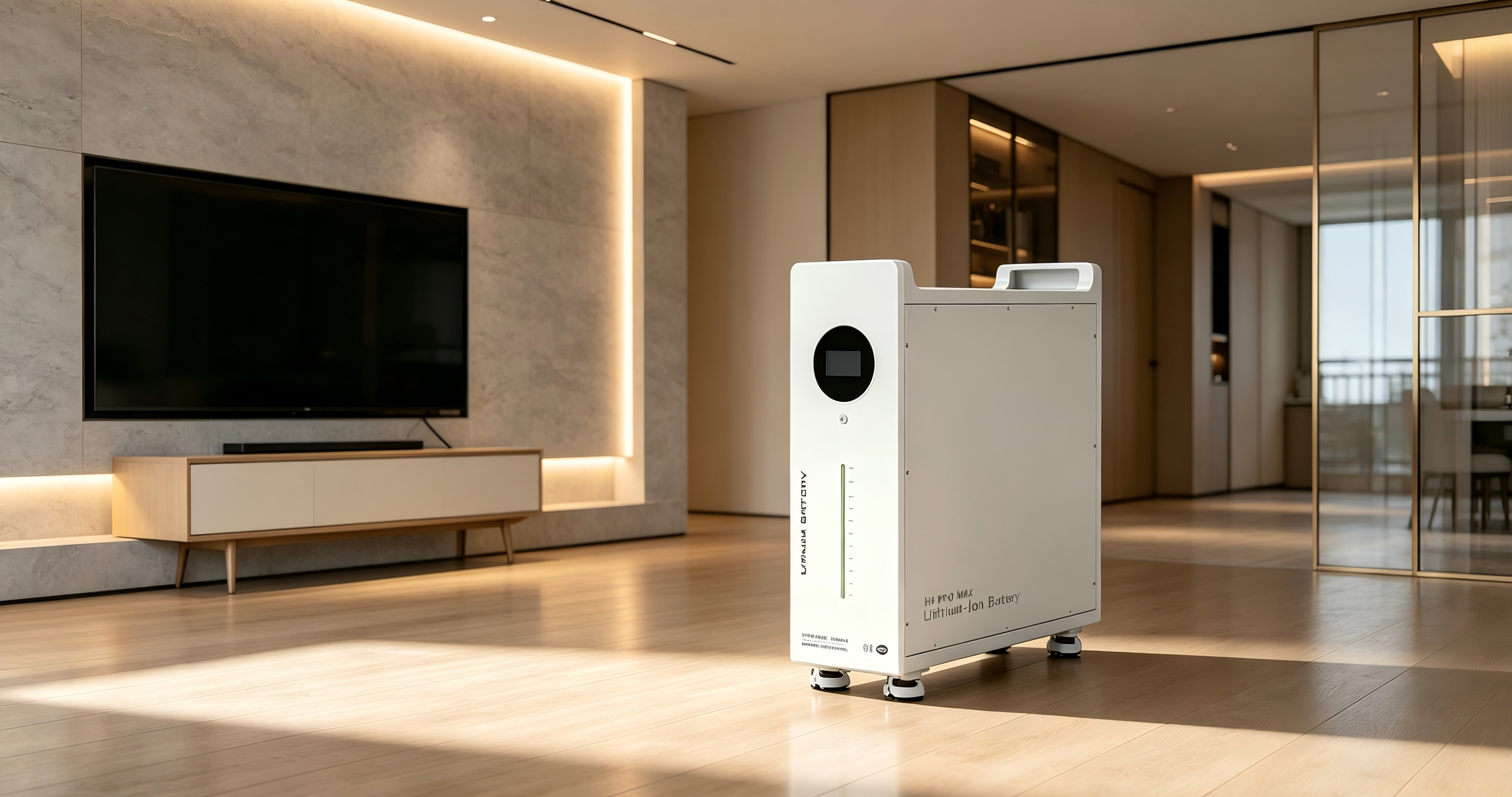
Energy storage batteries are becoming an important part of modern power systems. They can store energy from solar panels or the grid and release it when needed. As a result, they are widely used in homes, commercial buildings, factories, backup power systems, and off-grid projects.
However, choosing the right energy storage battery is not as simple as looking at the price. Battery chemistry, capacity, voltage, cycle life, safety, battery management system, installation method, and inverter compatibility can all affect the final result.
So, what should you consider when buying energy storage batteries? This guide explains the key points and helps you choose a battery that fits your power needs.
Choose the Right Energy Storage Battery Type
First, you need to choose the right battery type. Different battery chemistries offer different levels of safety, life, cost, and performance.
For modern solar energy storage systems, lithium iron phosphate batteries, also called LiFePO₄ batteries, are a popular choice. They offer good safety, long cycle life, and stable performance.
Compared with some traditional battery types, LiFePO₄ batteries can provide a longer service life. Therefore, they are suitable for residential energy storage, solar backup systems, commercial projects, and off-grid power systems.
When selecting a battery, consider:
- Battery chemistry
- Safety level
- Cycle life
- Energy density
- Operating temperature
- Maintenance needs
- Total cost over the battery's service life
For many solar energy storage projects, a high-quality LiFePO₄ battery can provide a good balance between safety, performance, and long-term value.
Check Energy Storage Battery Capacity
Battery capacity is another key factor. It tells you how much energy the battery can store.
Capacity is usually measured in ampere-hours (Ah) or kilowatt-hours (kWh). However, you should not choose a large battery simply because it has a higher capacity.
Instead, first calculate your actual energy needs.
For example, a home may need enough stored energy to run lights, refrigerators, communication devices, and other important appliances during a power cut. A factory, on the other hand, may need much more capacity for production equipment and backup loads.
When calculating battery capacity, consider:
- Daily energy use
- Peak power demand
- Backup time
- Solar generation
- Grid availability
- Future energy needs
In addition, leave some capacity for future expansion. This can make the energy storage system easier to upgrade later.
Match Energy Storage Battery Voltage to Your System
Voltage is also important when buying an energy storage battery. The battery voltage must match the requirements of the inverter and other system components.
Common energy storage battery voltages include 12V, 24V, 48V, and higher-voltage systems. For residential and commercial solar storage, 25.6V and 51.2V LiFePO₄ battery systems are common choices.
For example, HENGNOVA offers LiFePO₄ energy storage batteries in 25.6V and 51.2V versions. Its battery range covers capacities from 100Ah to 628Ah, giving customers more options for different energy storage needs.
Therefore, always check the inverter input voltage before placing an order.
Consider Energy Storage Battery Cycle Life
Cycle life shows how many charge and discharge cycles a battery can complete before its capacity drops to a certain level.
This is especially important for solar energy storage systems because the battery may be charged and discharged almost every day.
A battery with a longer cycle life can reduce replacement costs over time. In contrast, a low-cost battery with a short life may cost more in the long run.
For this reason, you should compare:
- Rated cycle life
- Depth of discharge (DoD)
- Charge and discharge conditions
- Warranty period
- Expected capacity retention
HENGNOVA's LiFePO₄ energy storage batteries are designed with a cycle life of up to 8,000 cycles. This makes them suitable for applications that require frequent charging and discharging.
Check the Battery Management System
A battery management system, or BMS, is one of the most important parts of a modern lithium battery.
The BMS monitors and manages battery operation. It can help protect the battery against conditions such as overcharging, over-discharging, excessive current, and abnormal operation.
Therefore, when comparing energy storage batteries, do not only look at the battery cells. Also check the BMS functions.
A good BMS should help provide:
- Overcharge protection
- Over-discharge protection
- Over-current protection
- Short-circuit protection
- Temperature monitoring
- Cell balancing
- Battery status monitoring
HENGNOVA energy storage batteries feature an intelligent BMS protection system. This helps improve battery safety and support stable operation.
Check Energy Storage Battery and Inverter Compatibility
A battery does not work alone. It normally needs to work with an inverter, solar panels, a power management system, or other equipment.
Therefore, compatibility should be checked before purchase.
You should confirm:
- Battery voltage
- Inverter voltage range
- Communication protocol
- Maximum charge current
- Maximum discharge current
- Battery capacity
- Parallel connection support
HENGNOVA states that its LiFePO₄ batteries are compatible with inverters from major brands. The batteries can also support parallel connection for capacity expansion.
This is useful because it allows buyers to build a system that can grow with future power needs.
Consider Energy Storage Battery Installation Options
The installation method also matters. Different projects have different space and installation requirements.
For example, a home may need a compact wall-mounted battery. A larger commercial project may need a floor-standing, stackable, or rack-mounted battery system.
HENGNOVA provides several installation options, including:
- Wall-mounted batteries
- Floor-standing batteries
- Stackable batteries
- Rack-mounted batteries
These options make it easier to select a battery based on available space and project requirements.
Before buying, measure the installation area and check the battery dimensions, weight, mounting method, and ventilation requirements.
Think About Energy Storage Battery Safety
Safety should always be a top priority when selecting an energy storage battery.
The battery should have reliable cells, a suitable BMS, proper protection functions, and a well-designed enclosure.
LiFePO₄ batteries are widely used in energy storage because they offer good thermal stability and safety characteristics. However, product quality and system design still matter.
In addition, the battery should be installed according to the manufacturer's instructions. Proper wiring, protection devices, ventilation, and operating conditions can all affect system safety.
Compare Energy Storage Battery Quality and Cost
Price is important, but it should not be the only factor.
A cheaper battery may have a lower purchase price but a shorter service life or weaker protection system. As a result, replacement and maintenance costs can increase.
Instead, compare the total value of the battery.
Look at:
- Battery cell quality
- Cycle life
- BMS
- Warranty
- Safety features
- Energy efficiency
- Installation cost
- Technical support
- After-sales service
In other words, the best energy storage battery is not always the cheapest battery. It is the battery that provides the right balance of price, performance, safety, and service life.
Choose an Energy Storage Battery Manufacturer with OEM Support
For distributors, installers, solar companies, and energy solution providers, OEM and ODM support can be very important.
A professional energy storage battery manufacturer can provide customized voltage, capacity, structure, branding, and system solutions based on project requirements.
HENGNOVA specializes in OEM production of solar inverters and energy storage batteries. The company focuses on customized and cost-effective new energy products and provides energy storage solutions for different applications.
Its product range includes LiFePO₄ energy storage batteries, hybrid solar inverters, and integrated inverter and energy storage systems.
Therefore, buyers who need private-label products or customized energy storage solutions can consider working directly with an experienced OEM manufacturer.
Consider Your Energy Storage Application
Finally, think about where and how the battery will be used.
Different applications have different requirements.
For example:
Residential energy storage:
Focus on backup time, battery size, safety, noise, and easy installation.
Commercial energy storage:
Focus more on capacity, system scalability, energy management, and long-term operating cost.
Industrial energy storage:
Pay close attention to power demand, system reliability, safety, and expansion options.
Off-grid solar systems:
Battery capacity, cycle life, inverter compatibility, and solar charging performance are especially important.
HENGNOVA's energy storage batteries are designed for applications such as domestic energy storage, off-grid solar systems, and commercial and industrial backup power.
How to Choose the Right Energy Storage Battery
Before buying an energy storage battery, use this simple checklist:
- Define your daily energy needs.
- Calculate the required battery capacity.
- Select the right battery chemistry.
- Confirm the battery voltage.
- Check cycle life and warranty.
- Review the BMS protection features.
- Confirm inverter compatibility.
- Choose the right installation method.
- Consider future capacity expansion.
- Compare manufacturer quality and OEM support.
By following these steps, you can reduce the risk of choosing a battery that does not match your system.
Why Choose HENGNOVA Energy Storage Batteries?
HENGNOVA is a professional manufacturer of solar inverters and energy storage batteries. Its product range includes LiFePO₄ batteries, hybrid solar inverters, and integrated inverter and energy storage systems.
Its LiFePO₄ battery solutions offer several useful features, including Grade A battery cells, intelligent BMS protection, up to 8,000 cycles, multiple voltage and capacity options, and support for parallel expansion.
The company also provides different installation formats, including wall-mounted, floor-standing, stackable, and rack-mounted designs. This allows buyers to select a configuration based on their space and application needs.
For distributors, installers, and project developers, HENGNOVA also provides OEM energy storage battery solutions. This can help businesses develop customized products for different markets and projects.
Conclusion: Make a Smart Energy Storage Battery Choice
Buying an energy storage battery is a long-term decision. Therefore, you should look beyond the initial price.
Capacity, voltage, battery chemistry, cycle life, BMS, safety, inverter compatibility, installation method, and manufacturer support all matter. In addition, your application and future energy needs should guide the final choice.
With the right battery and a reliable manufacturer, an energy storage system can provide stable backup power, better solar energy use, and long-term value.
If you are looking for customizable LiFePO₄ energy storage batteries or OEM energy storage solutions, HENGNOVA offers a range of battery and solar power products for residential, commercial, industrial, and off-grid applications.


