Understanding the Grid Tie Inverter: A Complete Guide to Efficient Solar Power
News Details
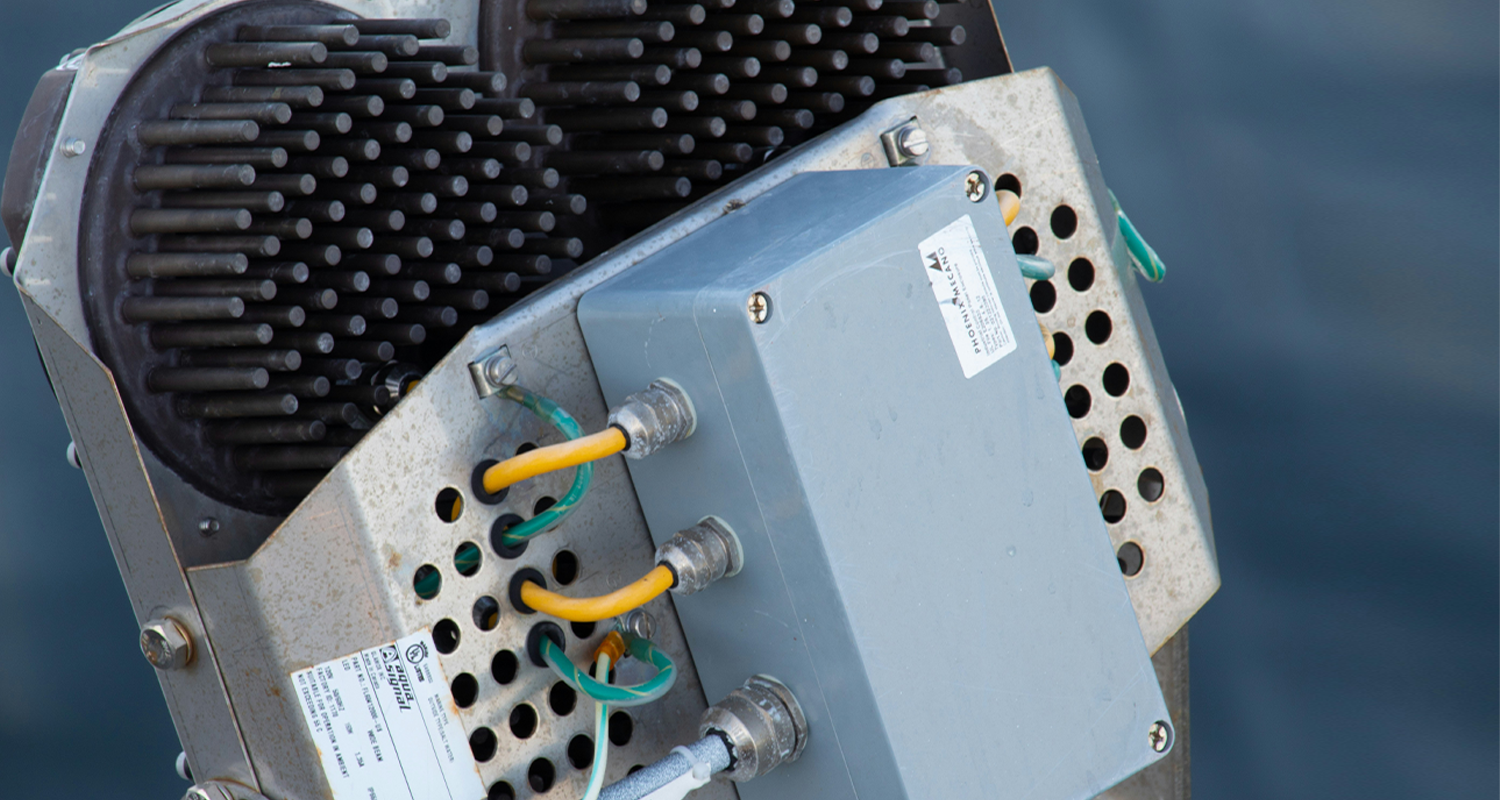
What Is a Grid Tie Inverter?
A grid tie inverter is a special device used in solar power systems. It takes the direct current (DC) electricity produced by your solar panels and turns it into alternating current (AC) electricity. This AC electricity is the type used by most home appliances and local power grids. Furthermore, unlike off-grid systems that require heavy battery banks, a grid tie inverter links your solar setup directly to the local utility grid. Therefore, when your panels make more energy than you need, the extra power goes back into the grid.
How a Grid Tie Inverter Works
The process of energy conversion is fascinating yet straightforward. First, sunlight hits the solar panels, creating DC power. Next, this DC power flows into the grid tie inverter. Inside the inverter, advanced circuits clean and convert the electricity into a stable AC output that matches the voltage and frequency of your local utility company. Consequently, your home uses this clean solar energy right away. Moreover, if your home needs more power than the panels make, the system seamlessly pulls the missing electricity from the utility grid.
Key Benefits of Using Grid Tie Systems
Choosing a grid tie system brings many clear advantages for property owners.
-
Lower Electricity Bills: You can offset your daily power use with free energy from the sun.
-
Net Metering Rewards: Many utility companies give you credits or payments for the extra electricity you send back to the grid.
-
Lower Setup Costs: Because you do not need expensive battery storage banks, the initial investment is much smaller.
-
Reliable Backup Support: You never have to worry about running out of power, because the main grid acts as a constant backup.
Comparing Different Types of Inverters
When building a solar setup, you will encounter a few main types of inverters. String inverters connect a long line of panels to a single device. They work best for roofs with simple angles and no shade. On the other hand, microinverters attach to individual panels. If one panel gets dirty or shaded, the others keep working at full speed. Hybrid inverters offer a middle ground, allowing both grid connection and battery storage for extra security.
Hengnova Power Solutions and Energy Efficiency
Reliability and safety matter deeply when managing electrical power. Hengnova provides innovative power supply solutions designed to meet high global standards. Although grid tie systems focus on solar panels, clean energy setups often rely on robust supporting components like advanced battery chargers, efficient power units, and safe power distribution tools. Hengnova specializes in delivering stable, cutting-edge power accessories and equipment that ensure electrical systems run smoothly. By focusing on durable materials and strict quality checks, Hengnova helps build resilient energy infrastructures that support modern renewable applications.
How to Choose the Right Inverter for Your Home
Selecting the best inverter requires careful thought about your specific energy goals. First, calculate the total wattage of your solar panel array. Next, check the input voltage limits of the inverter to make sure it matches your panels. You should also look at the efficiency rating; higher efficiency means more of your solar power actually gets used. Finally, consider the warranty and customer support offered by the manufacturer to protect your long-term investment.
Frequently Asked Questions
Can a grid tie inverter work during a power outage? No, standard grid tie systems shut down automatically during a blackout for safety reasons. This feature protects utility workers who might be repairing nearby power lines. Can I add batteries later? Some advanced inverters allow for future battery expansion, but standard grid tie models do not store power unless paired with a hybrid system.


