How Can Energy Storage Batteries Improve Solar Power Efficiency?
News Details
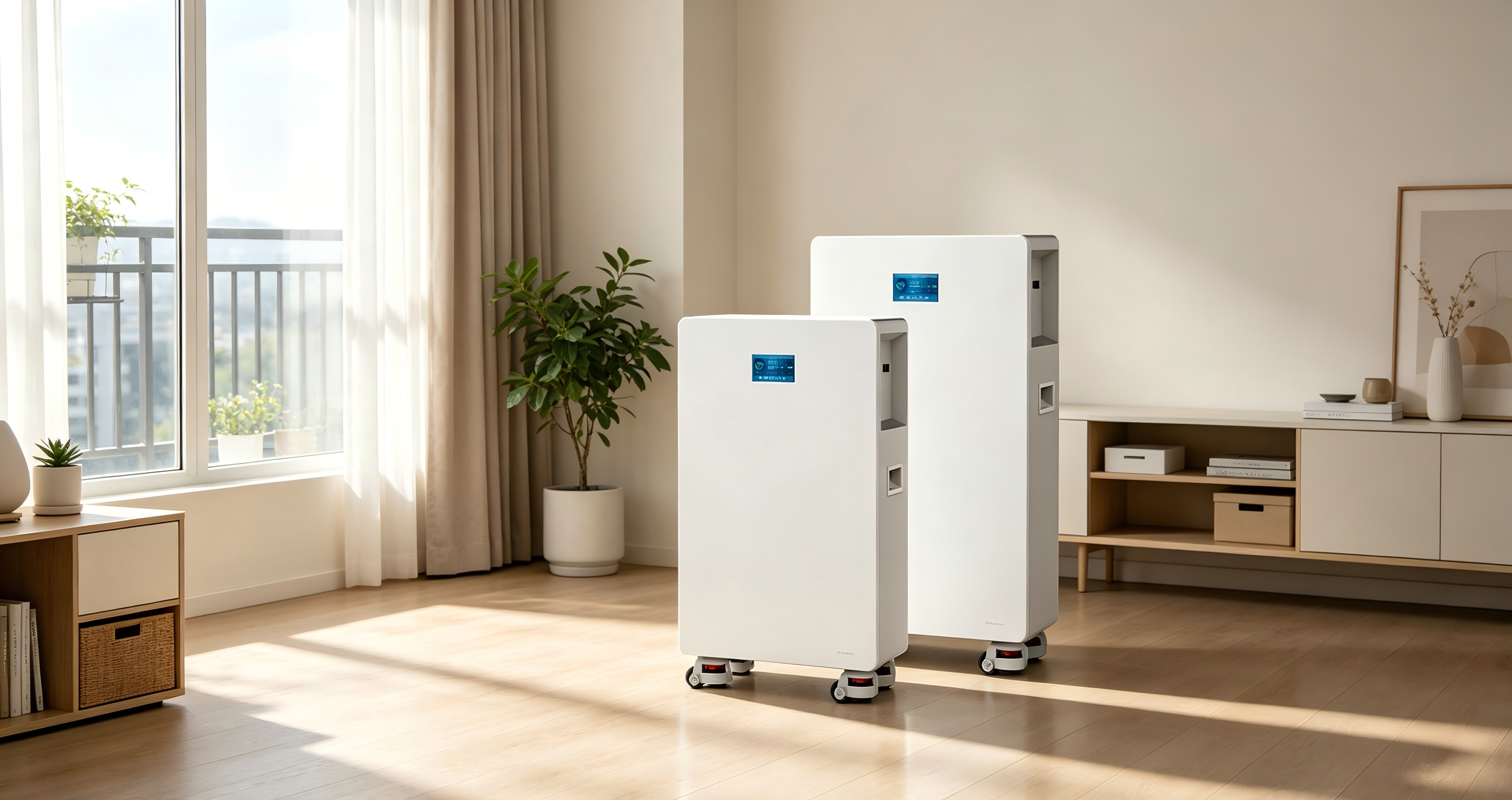
Solar power is clean, flexible, and widely used for homes and businesses. However, solar panels do not produce the same amount of power all day. They produce the most energy when sunlight is strong. At night, they produce no power.
This is where energy storage batteries can help.
By storing extra solar power and using it when needed, a battery energy storage system can improve solar power efficiency. It can also reduce wasted energy, increase solar self-use, and provide backup power during outages.
For these reasons, solar energy storage has become an important part of modern solar power systems.
How Energy Storage Batteries Improve Solar Power Efficiency
Solar panels often produce more electricity than a home or business needs during the day. Without a battery, this extra power may be sent to the grid or lost, depending on the system.
Energy storage batteries provide a simple solution. They store the extra electricity and make it available later.
For example, a home may produce a large amount of solar power at noon. However, the family may use more electricity in the evening. With battery storage, the system can save the extra daytime power and use it after sunset.
As a result, more of the solar energy can be used directly by the property.
Energy Storage Batteries Reduce Solar Power Waste
One key benefit of solar battery storage is that it helps reduce energy waste.
Solar production changes during the day because of sunlight, clouds, and weather. At the same time, electricity use also changes. Therefore, solar production and power demand do not always match.
An energy storage battery helps balance this difference.
When solar production is higher than demand, the battery charges. When demand becomes higher than solar production, the battery can discharge.
This simple process helps make better use of the electricity produced by solar panels.
Solar Battery Storage Increases Solar Self-Consumption
Solar self-consumption means using the solar power produced by your own system instead of buying electricity from the grid.
Without battery storage, solar power is mainly used when the panels are producing electricity. With a battery, stored solar energy can be used later.
This is especially useful for homes and businesses that use more electricity in the evening.
For example:
- Solar panels produce power during the day.
- Extra solar power charges the battery.
- The battery stores the energy.
- The stored power is used in the evening.
- Less electricity may need to be purchased from the grid.
Therefore, energy storage batteries can help increase the value of an existing solar power system.
Energy Storage Batteries Support Solar Power at Night
Solar panels cannot generate electricity at night. However, electricity demand does not stop when the sun goes down.
A solar battery can fill this gap.
During the day, the battery stores excess solar energy. At night, it supplies power to selected loads or the whole property, depending on system design and capacity.
This makes solar power more useful throughout the day instead of only during daylight hours.
Solar Energy Storage Can Provide Backup Power
Another important benefit is backup power.
Grid outages can affect homes, stores, offices, and factories. A properly designed battery energy storage system can provide power when the grid fails.
Hengnova offers integrated inverter and energy storage systems that support UPS mode during power cuts. Its systems use lithium iron phosphate batteries and include BMS protection.
As a result, solar energy storage can do more than improve energy use. It can also add an extra layer of power security.
How Solar Inverters and Batteries Work Together
Solar panels produce DC electricity. Most household and business loads use AC electricity. Therefore, a solar inverter is needed to convert and manage power.
The inverter also plays an important role in energy storage.
A hybrid solar inverter can manage power from several sources, such as:
- Solar panels
- Energy storage batteries
- The utility grid
- Electrical loads
Hengnova provides hybrid solar inverters from 1.2 kW to 15 kW. These models combine an MPPT solar charger and inverter and can support both grid-tied and off-grid operation. They are also compatible with lithium and lead-acid batteries.
With the right inverter and battery combination, a solar power system can use energy more efficiently and respond better to changes in power demand.
Why LiFePO₄ Batteries Are Suitable for Solar Energy Storage
Battery type is another important factor.
Lithium iron phosphate, also known as LiFePO₄, is widely used in energy storage systems. It offers good cycle life, stable operation, and a strong safety profile when used with a suitable battery management system.
Hengnova offers LiFePO₄ energy storage batteries with Grade A battery cells and a cycle life of up to 8,000 cycles. Its battery systems also include intelligent BMS protection and support parallel connection for capacity expansion.
These features make LiFePO₄ batteries suitable for many solar storage applications, including home energy storage, off-grid systems, and commercial and industrial backup power.
HengnovaEnergy Storage Batteries for Solar Power Systems
Hengnova is a professional OEM manufacturer of solar inverters and energy storage batteries. The company focuses on customized and cost-effective new energy products.
Its energy storage solutions include several product types.
Hengnova LiFePO₄ Solar Storage Batteries
Hengnova provides wall-mounted, floor-standing, stackable, and rack-mounted LiFePO₄ batteries. Voltage options include 25.6V and 51.2V, while capacities range from 100Ah to 628Ah.
These options allow users to select a battery configuration based on their space, power needs, and installation method.
Hengnova Hybrid Solar Inverters
Hengnova’s hybrid solar inverters are designed for both grid-connected and off-grid applications. They support different power levels and include features such as MPPT charging, Wi-Fi monitoring, and pure sine wave output.
They can be used for home energy storage, off-grid power, and industrial backup applications.
Hengnova Integrated Inverter and Energy Storage Systems
Hengnova also provides all-in-one systems that combine a solar inverter with LiFePO₄ batteries. This design can simplify installation and reduce compatibility concerns between separate components.
The product range includes portable, wall-mounted, floor-standing, and stackable configurations. The systems support solar charging, grid power, grid export, and UPS operation.
For customers looking for an easier energy storage solution, an integrated system can be a practical choice.
How to Choose the Right Solar Energy Storage Battery
Choosing the right battery is important for system efficiency. Several factors should be considered.
Battery Capacity
Battery capacity determines how much energy the battery can store. A larger system can store more solar power, but it also costs more.
The right capacity should match daily energy use and solar production.
Battery Voltage
The battery voltage must match the requirements of the inverter and the overall system.
Common battery voltage options include 25.6V and 51.2V. The correct choice depends on system design.
Cycle Life
A battery is charged and discharged many times during its service life. Therefore, cycle life is an important factor when comparing energy storage batteries.
A longer cycle life can support long-term system use.
Installation Type
Different projects have different space and installation needs. Wall-mounted batteries can save floor space, while floor-standing, stackable, and rack-mounted designs can provide more flexibility for larger systems.
Battery Management System
A BMS helps monitor and protect the battery. It can manage important factors such as battery voltage, temperature, and charging and discharging conditions.
Therefore, a good BMS is an important part of a safe and reliable solar battery storage system.
Energy Storage Batteries Make Solar Power More Flexible
Solar power efficiency is not only about how much electricity solar panels produce. It is also about how much of that electricity can be used effectively.
Energy storage batteries help close the gap between solar production and energy demand.
They can:
- Store excess solar power
- Reduce wasted solar energy
- Increase solar self-consumption
- Supply power after sunset
- Support backup power
- Improve energy management
- Support off-grid operation
As solar power continues to grow, battery storage will become even more important.
For homes, commercial buildings, factories, and off-grid projects, the right combination of solar panels, inverters, and energy storage batteries can create a more flexible and efficient power system.
Hengnova provides solar inverters, LiFePO₄ energy storage batteries, and integrated inverter-storage systems for different applications. With OEM manufacturing and customized energy storage solutions, Hengnova can support customers looking for reliable solar energy storage products.


