What Are the Different Types of Battery Energy Storage Systems?
A straightforward guide to the main types of battery energy storage systems: LFP lithium-ion, NMC, flow, lead-acid, and sodium-ion. Find out how to shortlist the right BESS for your project.
2026/11/26
Reading volume: 0
News Details
A battery energy storage system stores electricity so you can use it later. Buyers often ask which battery type fits their project. The answer depends on chemistry, power, runtime and site conditions. This guide explains the main types in plain language. It also gives you a simple way to shortlist them.
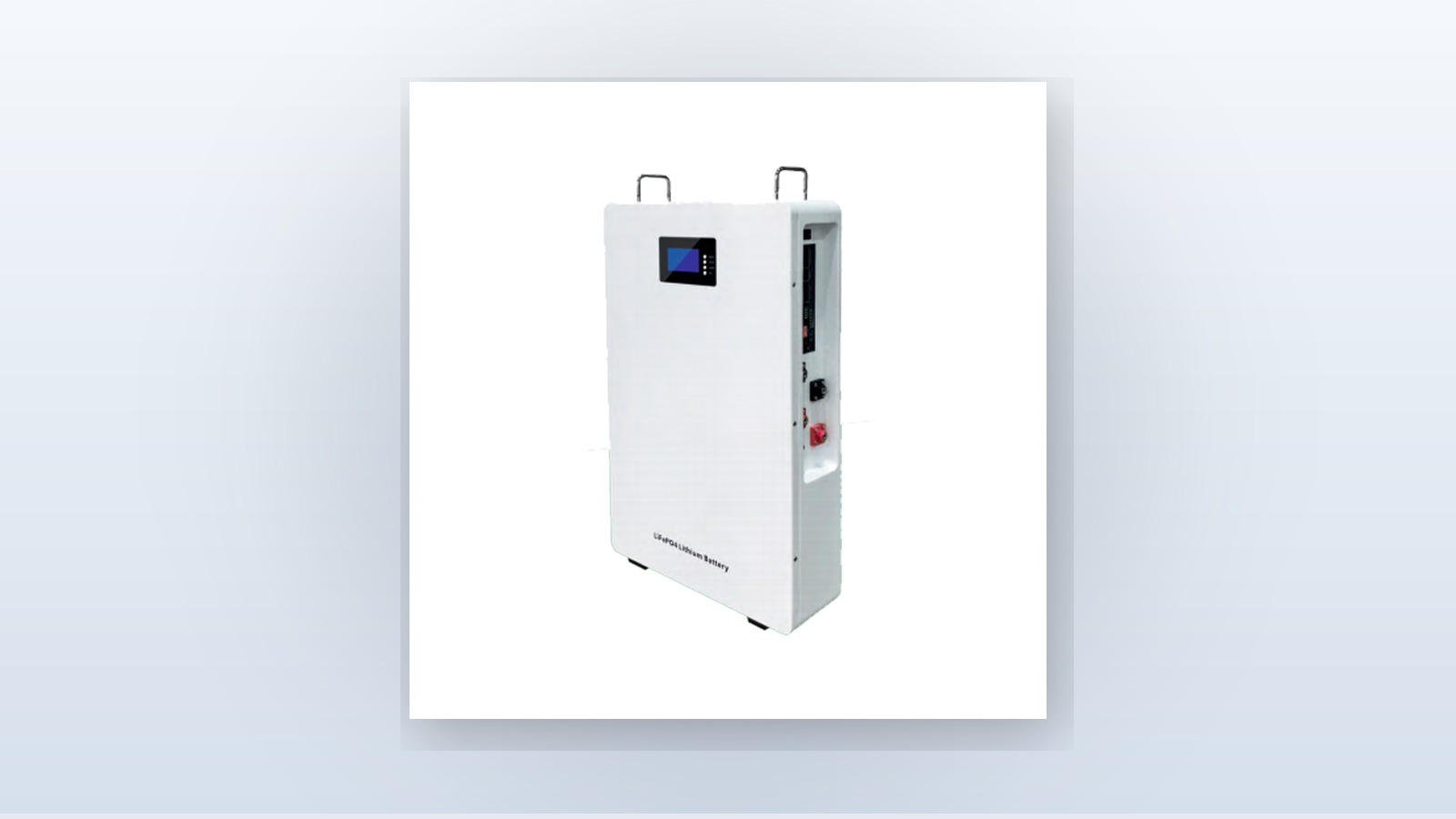
What Is a Battery Energy Storage System?
A battery energy storage system, or BESS, is a complete package. It stores electrical energy in batteries and releases it when you need it. A full system includes more than cells. It also includes a battery management system (BMS), a power conversion system (PCS), an energy management system (EMS), cooling, fire protection and an enclosure.
Why does this matter to buyers? You do not buy a cell. You buy a system that must run safely for 10 to 15 years. The chemistry sets the baseline. The system design decides whether that baseline works on your site. You can also read our guide on inverter backup time to see how storage and inverters work together.
Lithium-Ion Battery Energy Storage Systems
Lithium-ion is the most widely used chemistry in stationary storage today. It charges fast, holds a lot of energy in a small space and needs little care. Within this group, two sub-types lead the market: LFP and NMC.
LFP uses lithium iron phosphate. It runs safely at high temperatures and lasts a long time. NMC uses nickel, manganese and cobalt. It stores more energy in the same space, so it suits sites with tight space limits.
Both types need a good BMS and thermal design. Do not compare cells alone. Compare the full system, including cooling, safety design and warranty. Our energy storage battery range shows how LFP units are packaged for real projects.
LFP Battery Storage Systems
LFP has become the standard choice for commercial and industrial projects. It uses no cobalt or nickel. That lowers cost and supply risk. It also has strong thermal stability, which reduces fire risk.
Most LFP systems deliver 4,000 to 10,000 cycles. Many suppliers now rate them at 8,000 cycles. That means a long service life and a lower cost per delivered kilowatt-hour. LFP works well for peak shaving, solar shifting and backup power.
If you want a detailed comparison, read our LFP vs lead-acid battery guide.
Flow Battery Energy Storage Systems
A flow battery stores energy in liquid electrolyte. Pumps move the liquid through a cell to charge or discharge. The power comes from the cell size. The energy comes from the tank size. You can add more energy by using bigger tanks.
This makes flow batteries a good fit for long-duration storage. Think of projects that need six to ten hours of output. They also run safely and last many cycles. The trade-off is a larger footprint and a more complex system with pumps and pipes.
Flow batteries are less mature than lithium-ion. Ask for system-level evidence and service support before you choose one for a commercial site.
Lead-Acid Battery Storage Systems
Lead-acid is the oldest type. It is cheap and easy to find. It can deliver a high burst of current, which suits short backup duty. Many old UPS systems still use it.
The downsides are clear. It is heavy, lasts fewer cycles and needs regular care. Daily cycling wears it out fast. For new solar or peak-shaving projects, lithium usually wins on cost over the full life of the system.
Lead-acid still makes sense for a narrow standby role. The battery stays full most of the time and discharges only during rare events.
Sodium-Ion Battery Storage Systems
Sodium-ion is an emerging option. It works in a similar way to lithium-ion but uses sodium instead. Sodium is abundant and cheap. The chemistry also handles cold weather well and has a lower fire risk.
The limits are energy density and cycle life. Both are improving, but the technology is still young. For a buyer, the key question is not the chemistry name. It is whether a supplier can show ratings, test reports, warranty terms and service capability for a complete system.
Treat sodium-ion as a promising choice. Judge it by the offered system, not by the promise of the material.
Commercial Battery Energy Storage Systems
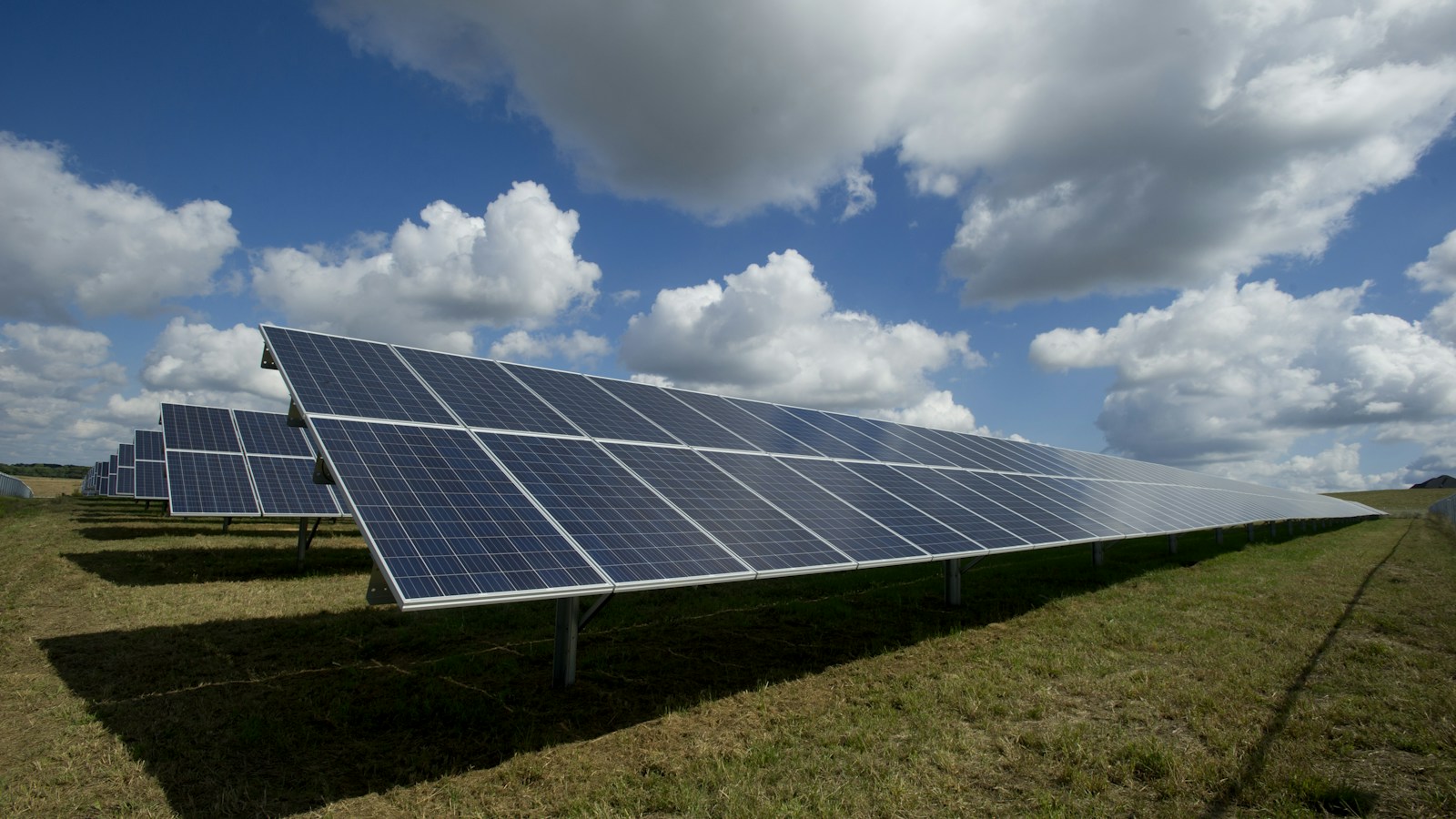
For a project buyer, the chemistry is only one part of the choice. A commercial BESS also includes a PCS, BMS, EMS, cooling and fire safety. These parts decide whether the system passes local rules and runs for years.
Start with your duty. How much power do you need? How many hours must it run? How often will you cycle it? How much space do you have? Answer these questions first. Then match the chemistry to the answers.
A wider system view also helps you plan the power side. See our hybrid solar inverter range to understand how inverters connect storage to solar and the grid.
How to Choose the Right BESS Type
Use this short checklist to narrow your list:
- Duty: peak shaving, solar shifting, backup or grid support.
- Power and duration: kW sets the load you can serve. kWh sets how long you can serve it.
- Cycle demand: daily cycling favours LFP. Rare backup duty can suit lead-acid.
- Space: tight sites may justify NMC for its higher density.
- Environment: check the real operating temperature and cooling design.
- Evidence: ask for test reports, safety certification and project references.
A chemistry that fails one of these checks should leave the shortlist early. Do not let cabinet price decide before the technical fit is clear.
Final Thoughts
There is no single best battery type. LFP leads most commercial projects because it balances safety, life and cost. NMC suits space-limited sites. Flow batteries fit long-duration needs. Lead-acid still serves light standby duty. Sodium-ion is one to watch.
The right choice comes from your load study, not from a product brochure. If you need a system built around your power and runtime targets, talk to our engineering team. You can also learn more about our OEM manufacturing capabilities before you request a quote.
Share to:


