How to Choose the Right Lithium Battery for Inverters
News Details
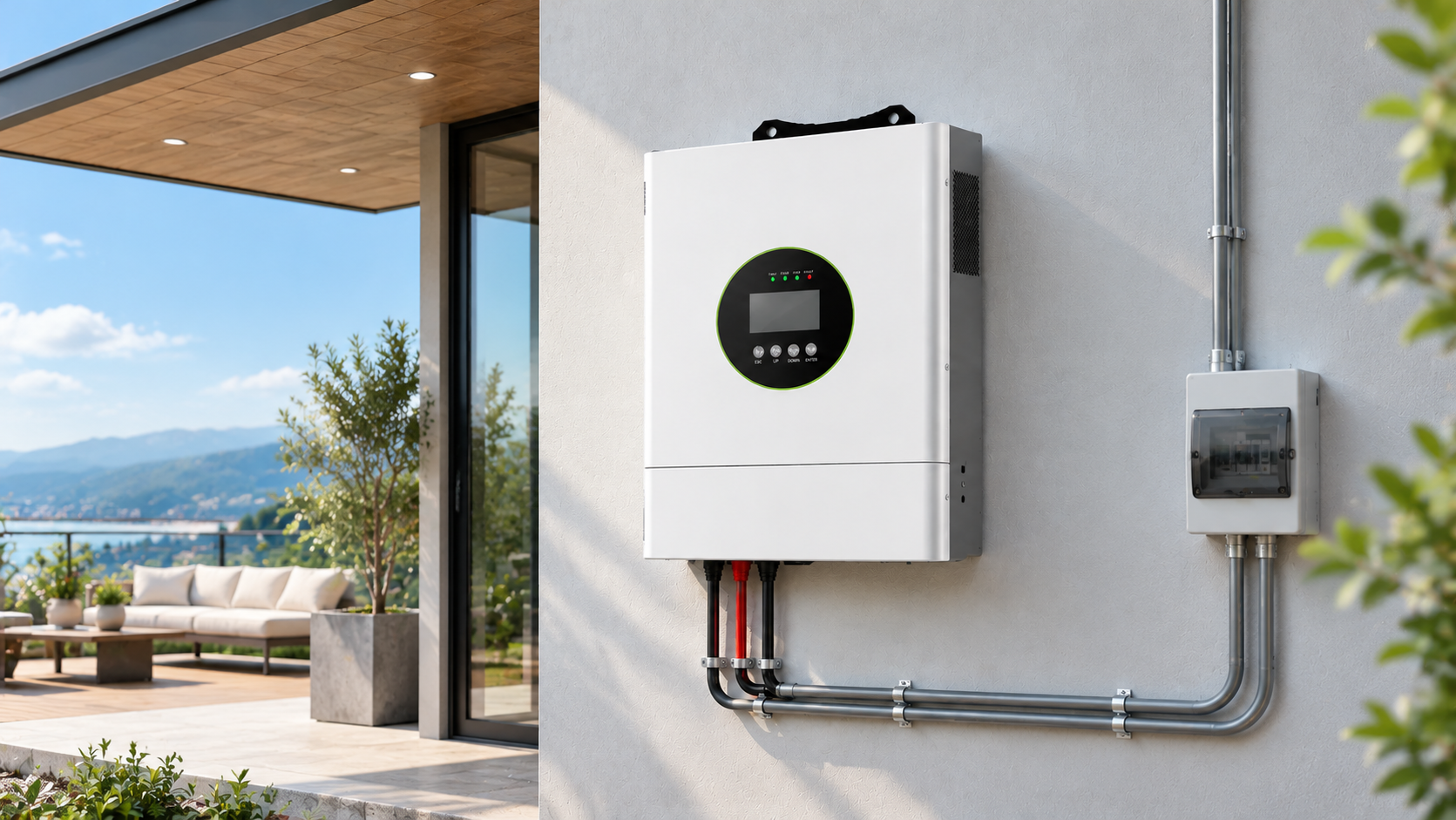 A reliable battery is essential for any solar power system, storing electricity and providing power when solar panels cannot generate enough energy. Today, more homes and businesses are choosing a lithium battery for inverter systems due to their long service life, fast charging, and high energy efficiency.
However, not every inverter is compatible with every lithium battery. Before making a decision, you need to verify the battery voltage, charging settings, and communication features.
In this guide, we will explain how lithium batteries work with inverters, what features to look for, and how HENGNOVA provides energy storage solutions for different applications.
What Is a Lithium Battery for an Inverter?
A lithium battery for an inverter system stores DC electricity and supplies it as needed. The inverter then converts this DC power into AC power for household appliances, office equipment, and other electrical loads.
Lithium iron phosphate (LiFePO4) is a popular battery type for solar energy storage. It offers a long cycle life, good thermal stability, and high usable capacity.
Compared to traditional lead-acid batteries, lithium batteries are generally lighter and require less maintenance. They also support faster charging in many applications.
These features make them suitable for:
-
Home solar energy storage
-
Commercial backup power
-
Off-grid solar systems
-
Small factories and workshops
-
Remote buildings and rural areas
How Does a Li-Ion Inverter System Work?
A li-ion inverter system connects a lithium battery with an inverter to store and supply electricity.
During the day, solar panels produce power. The inverter uses this energy to run electrical equipment and charge the battery. When solar output decreases, the battery supplies stored energy to the inverter.
The main process consists of three steps:
-
Solar panels generate DC electricity.
-
The inverter manages the power flow and charges the battery.
-
When needed, the battery supplies stored energy, and the inverter converts it into AC power.
Some hybrid inverters can also charge batteries from the grid, giving users more control over their energy supply.
How to Choose an Inverter for Lithium-Ion Battery Systems
Selecting the right inverter for lithium-ion battery systems is crucial for safety and performance. Before purchasing, check these key features.
1. Battery Voltage
Common lithium battery systems use 12V, 24V, or 48V configurations. The inverter voltage must match the battery system.
HENGNOVA offers 25.6V and 51.2V LiFePO4 battery options for various home and commercial energy storage requirements.
2. BMS Communication
The Battery Management System (BMS) protects the battery from overcharging, over-discharging, and overheating.
Some lithium batteries also support CAN or RS485 communication. These features allow the battery and inverter to share operational data and manage charging more effectively.
3. Charging Performance
Review the inverter's charging current and battery charging settings. A compatible system can better utilize available solar power and help extend battery life.
4. Power Output
The inverter must support the total power demand of connected devices. Additionally, consider the startup power requirements for equipment such as refrigerators, pumps, and motors.
Inverter Lithium-Ion vs. Lead-Acid Battery Systems
Both battery types can provide backup power. However, they offer distinct advantages.
| Feature | Lithium Battery | Lead-Acid Battery |
| Weight | Lighter | Heavier |
| Charging Speed | Usually faster | Usually slower |
| Cycle Life | Generally longer | Generally shorter |
| Maintenance | Low | May require regular care |
| Initial Cost | Higher | Lower |
| Usable Capacity | Generally higher | Usually lower |
For users requiring daily energy storage, lithium batteries can be a sound long-term investment. Lead-acid batteries may be more suitable for basic backup systems with a lower initial budget.
HENGNOVA Inverter with Li-Ion Battery Solutions
HENGNOVA specializes in OEM solar inverters and energy storage batteries. Its product line covers home, off-grid, and commercial applications.
Here are three practical solution examples based on its product range.
1. Home Solar Storage Solution
For homes needing daily solar storage and backup power, HENGNOVA offers wall-mounted and floor-standing LiFePO4 batteries.
Its battery range includes 25.6V and 51.2V models, with capacities from 100Ah to 628Ah. Users can select a suitable model based on household energy consumption and available installation space.
These batteries can integrate with compatible hybrid inverters to store daytime solar power and supply electricity at night.
2. Off-Grid Power Solution
For remote homes and buildings without reliable grid access, an off-grid inverter and lithium battery system can provide an independent power supply.
HENGNOVA offers hybrid and off-grid inverters ranging from 1.2kW to 15kW. These models support lithium battery connections and solar charging.
This setup can support lighting, household appliances, and other essential equipment based on the system's capacity.
3. Commercial Energy Storage Solution
Small factories, shops, and other businesses often require higher power capacity and flexible storage options.
HENGNOVA provides stackable and rack-mounted LiFePO4 batteries. Businesses can expand their storage capacity as their energy needs grow.
Its integrated inverter and battery systems also combine key components in a single unit, helping to simplify installation and ensure compatibility.
Why Choose HENGNOVA?
HENGNOVA provides solar inverters and lithium energy storage products for various markets and applications.
Key product advantages include:
-
Long cycle life: Selected LiFePO4 products support up to 8,000 cycles under specified test conditions.
-
Smart BMS protection: Helps monitor battery operation and protect against common electrical risks.
-
Flexible installation: Wall-mounted, floor-standing, stackable, and rack-mounted options are available.
-
OEM services: Customized product solutions for global brands and project requirements.
-
Wide product range: Hybrid inverters, energy storage batteries, and integrated systems.
With various voltage levels and product designs, HENGNOVA assists customers in selecting energy storage solutions for their target markets.
Frequently Asked Questions
Can I use any lithium battery with an inverter?
No. The battery voltage, charging settings, current limits, and communication protocol must be compatible with the inverter. Always verify compatibility before installation.
Is LiFePO4 better for inverter systems?
LiFePO4 batteries offer a long cycle life, good thermal stability, and high usable capacity. They are a popular choice for home and commercial energy storage.
How long does a lithium battery last with an inverter?
Battery life depends on usage, temperature, charging habits, and depth of discharge. Some HENGNOVA LiFePO4 products are rated for up to 8,000 cycles under specified conditions.
Can a lithium battery inverter system operate without grid power?
Yes. A properly designed off-grid system can use solar panels and a lithium battery to supply power without a grid connection.
Conclusion
A lithium battery for inverter systems can provide reliable energy storage for homes, businesses, and off-grid applications. However, selecting the right battery and inverter is essential for safe and stable operation.
From home solar storage to commercial backup power,HENGNOVA offers LiFePO4 batteries, hybrid inverters, and integrated energy storage systems to meet various needs.
Looking for a reliable OEM energy storage partner? Contact HENGNOVA to discuss your battery and inverter requirements.


