Solar Inverter Battery: A Simple Buying Guide
News Details
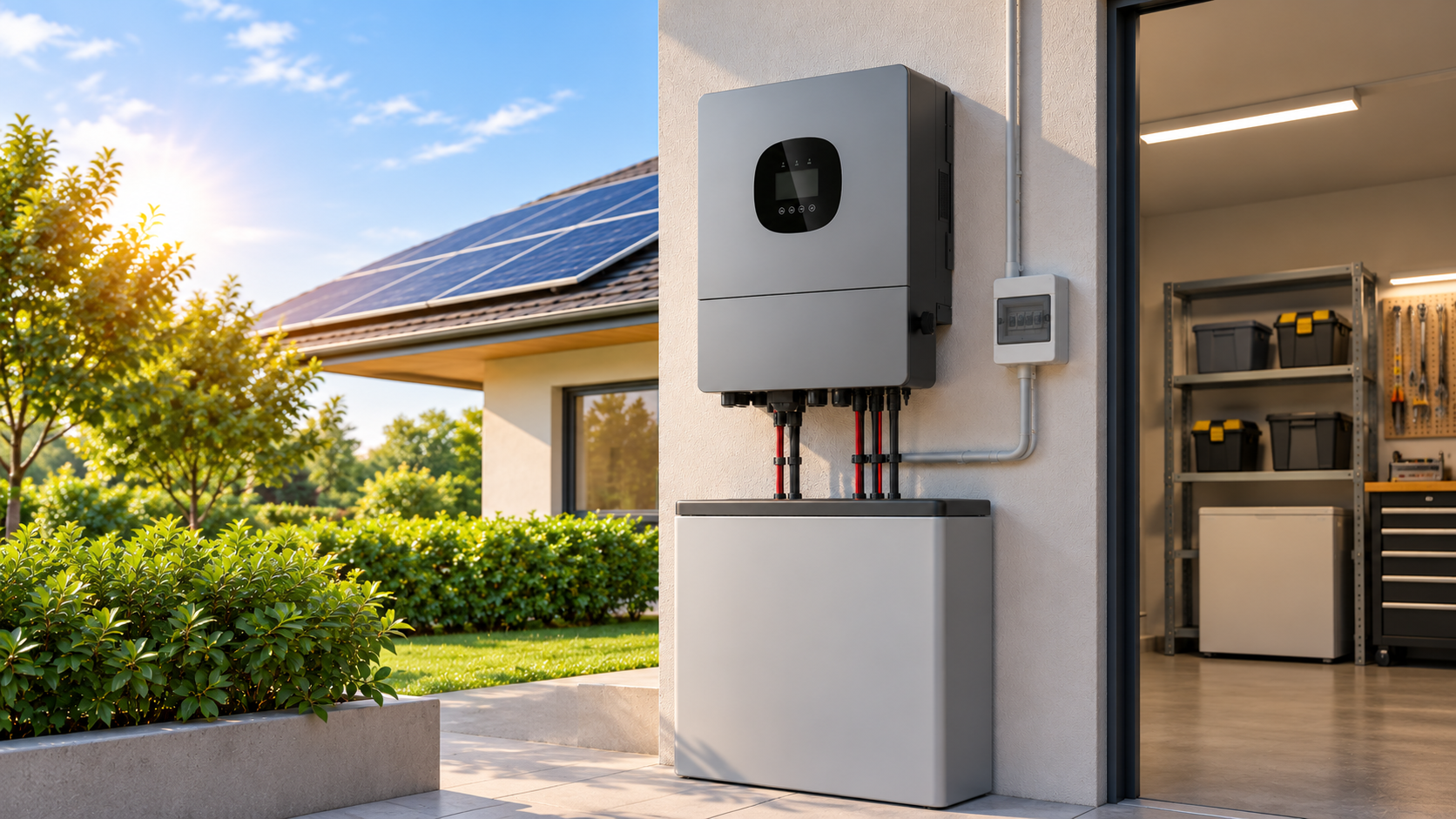
A solar inverter battery stores power for later use, helping homes and businesses use solar energy at night, during power cuts, or in areas without a stable grid connection. The right battery depends on your power needs, budget, and inverter type.
This guide explains the main battery types, how they work, and key tips for choosing the right system.
What Is a Solar
Inverter
Battery? A solar inverter battery stores electricity from solar panels. When you need power, the inverter converts the battery's DC power into AC power for your devices. During the day, extra solar energy charges the battery; at night or during outages, the battery supplies stored energy to your inverter.Solar inverter batteries are commonly used in homes, offices, factories, farms, RVs, and remote buildings. Before buying, make sure the battery voltage, capacity, and charging settings match your inverter.
Common Types of Solar Inverter Batteries
The main types are lead-acid and lithium batteries, each with its own benefits and limits.
Lead-Acid Batteries
- Lead-acid batteries are a low-cost option for backup power. Flooded types need regular maintenance and ventilation, while sealed types (like AGM and gel) require less upkeep. However, they are heavy and have a shorter cycle life for frequent deep discharge.
Lithium batteries, especially LiFePO4, are popular for modern solar systems. They are light, charge quickly, last longer, and provide more usable energy than lead-acid batteries. Most include a battery management system (BMS) for safety. The main drawback is higher upfront cost, though their long lifespan may make them a better long-term value.
-
-
-
Compare total cost, usable capacity, warranty, and lifespan before deciding.
Deep Cycle Battery Inverter Basics
A deep cycle battery inverter system uses batteries designed for steady, long-term power delivery, perfect for solar storage, backup, and off-grid use. Unlike car starting batteries (which deliver short power bursts), deep cycle batteries handle repeated charging and discharging.
Key factors to check: battery voltage (12V/24V/48V, must match your inverter), capacity (measured in Ah or kWh), discharge depth, charging requirements, and cycle life.
Why Choose a Lithium Battery for Inverters?
Lithium batteries offer longer service life, more usable energy, faster charging, and lower weight than lead-acid options. Many LiFePO4 batteries handle more charge cycles, making them ideal for daily solar storage. Always check compatibility with your inverter, including voltage, charging current, and BMS support.
Sizing a Deep Cycle Battery Solar System: Simplified Example
To size your battery, start with your daily energy use: calculate the watt-hours (Wh) of all devices you want to power (e.g., 100W light × 5 hours = 500Wh). Add inverter losses (typically 10-20%) and account for the battery's recommended discharge depth (e.g., 80% for lithium).
Simple example: If your devices need 2,000Wh of AC power, and your inverter is 90% efficient with an 80% usable battery capacity: 2,000Wh ÷ 0.90 ÷ 0.80 ≈ 2.8kWh. Add extra capacity for unexpected loads or longer backup times.
Portable Power Inverters: What to Look For
A portable power inverter converts battery power to AC for devices like phones, laptops, and small appliances. Choose one with enough output power and surge capacity for your devices, suitable battery capacity (for runtime), multiple charging options (solar, wall, vehicle), and safety features (overload, short-circuit protection). Consider weight and size for outdoor use.
Maintenance and Common Mistakes
To extend battery life: keep it in a dry, temperature-controlled space, use the correct charger, avoid excessive discharge, and inspect connections regularly. For flooded lead-acid batteries, ensure proper ventilation.
Avoid common mistakes: choosing by price alone, ignoring inverter compatibility, forgetting startup power for appliances, buying too small a capacity, and skipping safety features like proper cables and protective devices.
Conclusion
The right solar inverter battery depends on your energy needs, budget, and usage. Lead-acid works for basic backup, lithium for daily use, and portable inverters for travel. Compare capacity, output power, charging needs, and warranty before buying to get the most value from your solar system.


