How to Build a Reliable Solar Energy Storage System?
Learn how to build a reliable solar energy storage system with the right solar inverter, LiFePO4 battery, BMS, capacity, and system design.
2026/09/23
Reading volume: 0
News Details
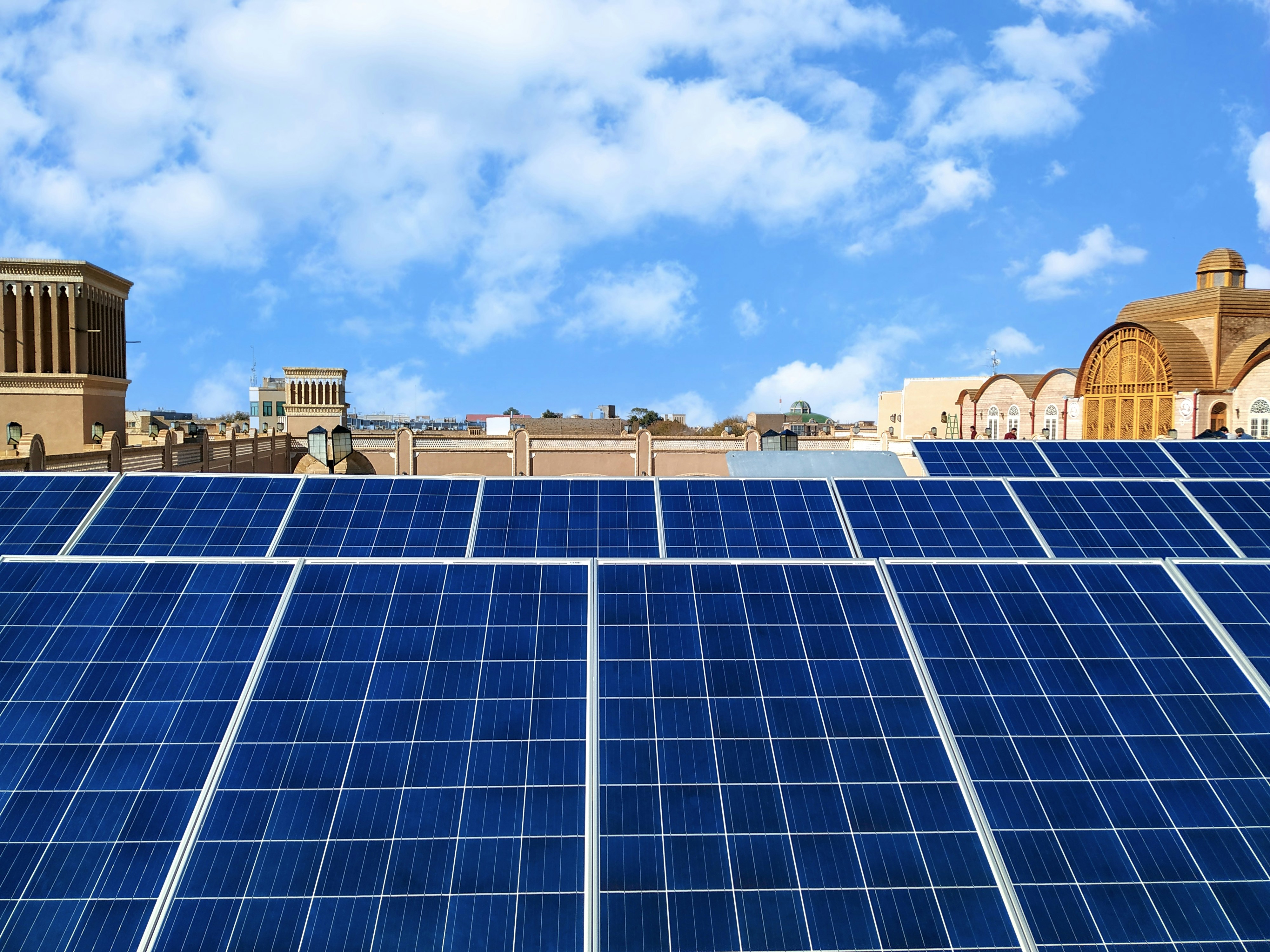
A reliable solar energy storage system can help homes and businesses use clean power day and night. It can also provide backup power when the grid fails. However, a good system is more than a solar panel and a battery. Each part must work together in a safe and stable way.
So, how can you build a reliable solar energy storage system?
The key is to choose the right solar inverter, energy storage battery, battery management system, and system capacity. At the same time, you should consider your power needs, installation space, operating conditions, and future energy use.
This guide explains the main steps to help you build a practical and reliable solar energy storage system.
Understand How a Solar Energy Storage System Works
First, it is important to understand the basic working process.
Solar panels produce DC power from sunlight. The solar inverter then converts DC power into AC power for home appliances or other loads. When there is extra solar power, the energy storage battery can store it for later use.
When solar power is not enough, the battery can supply stored energy. If the battery is also low, the system can use grid power when grid connection is available.
Therefore, a complete solar energy storage system normally includes:
- Solar panels
- Solar inverter
- Energy storage battery
- Battery management system
- Mounting and electrical equipment
- Monitoring and control system
In addition, some systems combine the inverter and battery into one integrated unit. This can reduce installation work and make system matching easier.
Choose the Right Solar Inverter for Energy Storage
The solar inverter is one of the most important parts of an energy storage system. It controls how solar power, battery power, grid power, and loads work together.
When choosing a solar inverter, first check its rated power. The inverter should match the total power demand of the loads. If the inverter is too small, it may not support the required loads. On the other hand, an oversized inverter can increase system cost.
Next, check the working modes. A modern hybrid solar inverter may support both grid-tied and off-grid operation. This gives users more flexibility.
HENGNOVAoffers hybrid grid-tied and off-grid solar inverters from 1.2 kW to 15 kW. These inverters combine an MPPT solar charger and inverter in one unit. They support lithium and lead-acid batteries and can be used for home energy storage, off-grid power, and industrial backup applications.
For residential projects, single-phase models can meet common home power needs. For commercial applications, three-phase models can provide a suitable solution.
Select a Suitable Solar Energy Storage Battery
Next, choose the right battery.
Battery capacity determines how much energy the system can store. A simple way to estimate the required capacity is to consider the daily energy use and the time you want the battery to provide backup power.
For example, if your important loads use 5 kWh per day and you want one day of backup, you need a battery system with enough usable capacity to cover that demand. In practice, you should also consider battery depth of discharge, system efficiency, temperature, and future energy needs.
Battery chemistry is another important factor.
LiFePO₄ batteries are widely used in modern energy storage systems because they offer good safety, long cycle life, and stable performance. HENGNOVA provides LiFePO₄ energy storage batteries with Grade A lithium iron phosphate cells and a built-in intelligent BMS. The batteries can support up to 8,000 cycles and are available in 25.6 V and 51.2 V versions, with capacities from 100 Ah to 628 Ah.
Use a Reliable Battery Management System
A battery management system, or BMS, plays an important role in battery safety.
The BMS monitors key battery conditions. For example, it can monitor voltage, current, temperature, and other operating data. It also helps protect the battery during charging and discharging.
Without proper battery management, battery performance can become less stable over time.
For this reason, a reliable solar energy storage system should use a battery with an intelligent BMS. HENGNOVA's LiFePO₄ battery products include built-in intelligent BMS protection. This helps support stable battery operation and system safety.
Match Solar Panels, Inverter, and Battery
A common mistake is choosing each component separately without checking system compatibility.
Instead, the solar panels, inverter, and battery should be planned as one system.
For example, the solar array should provide enough power for daily energy needs and battery charging. At the same time, the inverter should support the solar input and battery voltage. The battery should also match the inverter's charging and discharging requirements.
Communication compatibility is also important. When the inverter and battery can communicate correctly, the system can better manage charging, discharging, and protection.
HENGNOVA batteries are designed to be compatible with inverters from major brands. They also support parallel connection, which can help expand system capacity when more energy storage is needed.
Consider Your Solar Energy Storage Capacity
System size should be based on actual power use.
For a home, start by checking:
- Daily electricity use
- Peak power demand
- Important backup loads
- Desired backup time
- Available solar panel area
- Available installation space
For commercial and industrial projects, the calculation may also include production loads, peak demand, operating schedules, and backup requirements.
It is also useful to plan for future growth. If energy demand may increase later, a battery system that supports capacity expansion can provide more flexibility.
HENGNOVA offers several battery installation formats, including wall-mounted, floor-standing, stackable, and rack-mounted designs. These options can fit different residential, commercial, and industrial installation needs.
Choose the Right Solar Energy Storage System Design
Different users need different system designs.
For apartments or rented homes, a compact energy storage system can be easier to install and move.
For detached houses, a wall-mounted or floor-standing battery system can provide practical home backup power.
For larger homes, several batteries can be connected to increase storage capacity.
For commercial and industrial projects, rack-mounted or stackable battery systems can provide a more flexible installation solution.
An integrated inverter and energy storage system can also simplify system design. HENGNOVA provides an all-in-one system that combines an inverter with LiFePO₄ batteries. The system is available in portable, wall-mounted, floor-standing, and stackable configurations.
Plan for Grid-Tied and Off-Grid Operation
Another key step is deciding how the system will work with the power grid.
A grid-tied system can use solar power during the day and grid power when solar production is low. Depending on the system design and local rules, excess power may also be sent back to the grid.
An off-grid system works differently. It needs enough solar generation and battery capacity to supply the required loads without relying on the grid.
A hybrid system can provide more flexibility because it can work with both solar and grid power. It can also provide backup power during a grid outage when properly configured.
HENGNOVA's hybrid solar inverters support grid-tied and off-grid working modes. The integrated inverter and energy storage system can also switch to UPS mode during power cuts, helping maintain power for connected loads.
Use Monitoring to Improve Solar Energy Storage
A reliable system should also be easy to monitor.
A monitoring system can help users understand solar production, battery status, energy use, and grid power. With this information, users can identify unusual operation and adjust energy use.
HENGNOVA hybrid solar inverters include built-in Wi-Fi monitoring. This provides a convenient way to check system operation.
In addition, pure sine wave output can provide stable AC power for many types of electrical equipment.
Consider Safety and Installation Conditions
Safety should always be part of solar energy storage planning.
The installation area should have suitable ventilation, temperature conditions, and protection from water or other environmental risks. Electrical connections should also be completed according to local requirements and by qualified professionals.
At the same time, the system should include suitable protection for overvoltage, overcurrent, temperature, and other operating conditions.
Battery location is also important. A suitable installation position makes maintenance easier and helps keep the system operating under proper conditions.
Work With an Experienced Energy Storage Manufacturer
Finally, the manufacturer can make a major difference to the project.
An experienced manufacturer can help with product selection, system matching, customization, production, and technical support. This is especially useful for OEM projects and large-volume orders.
Hengnuowa Energy Technology (Yantai) Co., Ltd., also known as HENGNOVA, specializes in OEM production of solar inverters and energy storage batteries. The company focuses on rapidly customizable and cost-effective new energy products and has years of experience in the energy storage industry.
Its product range includes solar inverters, energy storage batteries, and integrated inverter and energy storage systems. These products cover residential, commercial, industrial, and off-grid applications.
Build a Reliable Solar Energy Storage System With HENGNOVA
Building a reliable solar energy storage system requires more than choosing a large battery. Instead, the whole system should be planned around real energy needs.
First, calculate your power demand. Then, choose a suitable solar inverter and battery. After that, check compatibility, capacity, installation space, monitoring, and safety. Finally, select a manufacturer that can provide stable products and customization support.
With hybrid solar inverters, LiFePO₄ energy storage batteries, and integrated inverter and storage systems, HENGNOVAprovides flexible solutions for different energy storage needs. Its OEM production capability also supports customers looking for customized solar energy products.
As solar power continues to grow, a well-designed energy storage system can help users make better use of clean energy while improving power flexibility and backup capability.
Share to:


