How Do Solar Inverters and Energy Storage Batteries Work Together?
Learn how solar inverters and energy storage batteries work together. Explore system benefits, battery sizing, and Hengnova's manufacturing services.
2026/09/17
Reading volume: 0
News Details
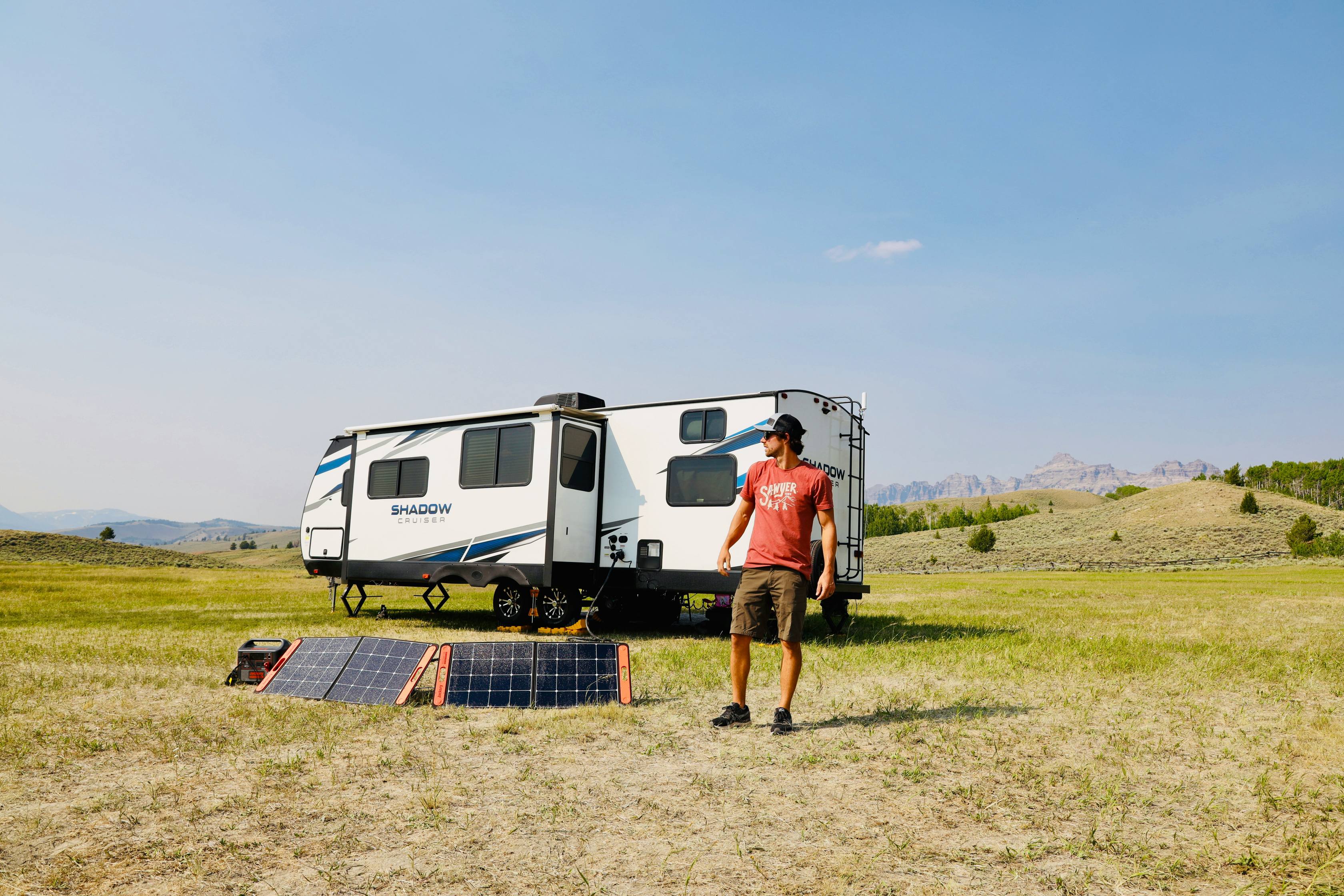
Solar inverters and energy storage batteries play key roles in a solar power system. Solar panels produce electricity from sunlight. However, most homes and businesses need AC power.
A solar inverter changes DC power from solar panels into AC power. An energy storage battery saves extra power for later use.
Together, these products help users make better use of solar energy. They can also reduce grid power use and provide backup power when the system supports it.
In this article, we explain how solar inverters and energy storage batteries work together. We also share tips for choosing the right system and introduce Hengnova's solar inverter and battery manufacturing services.
What Does a Solar Inverter Do?
A solar inverter changes DC power into AC power. This allows homes and businesses to use the electricity produced by solar panels.
Modern solar inverters can also help control power flow and work with energy storage batteries.
Key functions include:
- Convert DC power into AC power.
- Send solar power to connected electrical devices.
- Help charge and discharge compatible batteries.
- Monitor power output and system performance.
As a result, the inverter helps the solar power system run smoothly.
What Does an Energy Storage Battery Do?
An energy storage battery saves electricity for later use. It can store extra solar power during the day and supply it when solar output falls.
For example, solar panels may produce more power than a building needs at noon. The system can send the extra power to the battery.
Later, the building can use this stored energy in the evening or at night.
Key Benefits of Energy Storage Batteries
Energy storage batteries can help users:
- Save extra solar power for later use.
- Reduce the need to buy electricity from the grid.
- Use more of the power their solar panels produce.
- Supply backup power when the system supports it.
- Manage power use during busy hours.
However, the results depend on battery size, power demand, and system design.
How Do Solar Invertersand Energy Storage Batteries Work Together?
Solar panels produce electricity. The inverter converts and manages this power. The battery stores extra energy for later use.
Here is how the system works.
Step 1: Solar Panels Produce Power
First, solar panels use sunlight to produce DC electricity.
The amount of power changes with the weather, time of day, and panel size.
Step 2: The Inverter Converts the Power
Next, the solar inverter changes DC power into AC power for the building.
If the system includes a battery, the inverter or a separate battery inverter helps control where the power goes.
Step 3: The Battery Stores Extra Energy
When solar panels produce more power than the building needs, the system can charge the battery.
This helps users save energy instead of sending all extra power to the grid.
Step 4: The Battery Supplies Power Later
When solar output falls, the battery can supply stored energy.
The inverter changes the battery's DC power into AC power. The building can then use this energy to run lights, appliances, and other equipment.
The system may also use grid power when the battery runs low.
How Does the System Work During the Day?
Solar power and battery use change throughout the day.
Morning
Solar panels start to produce power. The inverter sends this energy to the building. If there is extra power, the battery can begin charging.
Midday
Solar output may reach its highest level. The building uses the power it needs, while the battery stores extra energy.
Evening
Solar output falls. The battery can supply stored energy to help meet the building's power needs.
Night
The battery can supply power until it reaches its set reserve level. The grid may provide the remaining electricity.
This process helps users make better use of solar power throughout the day.
Hybrid Inverters vs. Separate Battery Inverters
Solar energy storage systems use different inverter designs. Two common options are hybrid inverters and separate battery inverters.
Feature
Hybrid Inverter
Separate Battery Inverter
Design
Combines solar and battery functions
Uses separate inverters
Setup
Often needs fewer main units
May need more equipment
Battery use
Works with compatible batteries
Can add storage to some existing systems
Common use
New solar and storage systems
Some existing solar systems
A hybrid inverter combines several functions in one unit. This can make system design simpler.
A separate battery inverter may suit users who want to add storage to an existing solar system.
However, users should check the system design and product compatibility before making a choice.
How to Choose the Right Solar Inverter and Battery
The right inverter and battery can help a solar system meet daily power needs. Before choosing products, consider these points.
1. Match Inverter Power to Your Needs
First, check how much power your building uses.
The inverter must support the power needs of connected devices. Some equipment, such as motors and pumps, also needs extra power when it starts.
Therefore, check both normal output and surge power before buying.
2. Choose the Right Battery Size
Battery capacity shows how much energy it can store. It is usually measured in kilowatt-hours (kWh).
A larger battery can store more energy. However, the right size depends on how much power you need and how long you want to use it.
You can start with this simple formula:
Battery capacity (kWh) = Power demand (kW) × Backup time (hours)
For example, a 2 kW load running for 5 hours needs 10 kWh of energy before allowing for power losses and reserve capacity.
3. Check Inverter and Battery Compatibility
Not every inverter works with every battery.
Before buying, check the battery voltage, charging limits, and communication system. Also, make sure the inverter supports the battery model.
A compatible battery management system (BMS) helps control charging and discharging.
4. Check Backup Power Needs
Some solar inverters stop working during a grid outage. Therefore, a battery alone does not always provide backup power.
If you need backup power, choose an inverter designed for this purpose.
Also, decide which devices need power during an outage. This will help you choose the right inverter and battery size.
5. Review Safety and Installation Needs
Before installation, check the system's safety features and local rules.
Important points include:
- Overvoltage and overcurrent protection
- Battery temperature control
- Short-circuit protection
- Safe charging and discharging
- Proper installation and ventilation
A qualified installer can help check these details.
Hengnova Solar Inverters and Energy Storage Batteries
Hengnova Energy Technology (Yantai) Co., Ltd. focuses on the contract manufacturing of solar inverters and energy storage batteries.
The company provides customized energy products for customers who need solutions for different markets and projects.
Customized Solar Inverter Manufacturing
Solar projects have different power needs. Some customers need products for home use, while others need solutions for commercial or industrial systems.
When developing a solar inverter, customers should consider:
- Output power and voltage
- Battery compatibility
- System design
- Installation needs
- Target market requirements
Hengnova supports customers who need customized solar inverter products for their projects.
Energy Storage Battery Manufacturing
Energy storage batteries help users save extra solar power and use it later.
When choosing a battery, customers should check its capacity, charging and discharging limits, safety features, and inverter compatibility.
Hengnova provides energy storage battery manufacturing services for customers who need customized products.
Customized Solutions for Solar Projects
Every solar project has different needs. For example, a home may need a small storage system, while a factory may need more power and battery capacity.
Therefore, customers should define their power needs before choosing products.
Hengnova can work with customers to discuss product design, system needs, and customization options.
For more information, visit the Hengnova official website .
Common Questions About Solar Inverters and Energy Storage Batteries
Can a Solar Inverter Work Without a Battery?
Yes. A grid-connected solar inverter can supply solar power without a battery. However, it cannot store extra energy for later use.
Can I Add a Battery to My Existing Solar System?
Yes, in some cases. It depends on your inverter and system design. You may need a compatible battery inverter or a hybrid inverter.
Can Solar Batteries Provide Power During a Grid Outage?
Yes, if the system supports backup power. The inverter must have the right backup function, and the battery must have enough stored energy.
How Long Can a Solar Battery Supply Power?
Backup time depends on battery capacity and power use.
For example, a battery with 10 kWh of usable energy can theoretically supply a 2 kW load for 5 hours. Actual time may be shorter because of power losses and system limits.
Do Solar Inverters and Batteries Need the Same Brand?
No. Some systems support products from different brands. However, users must check compatibility before connecting them.
Conclusion
Solar inverters and energy storage batteries work together to make solar power more useful.
The inverter changes electricity into a form that homes and businesses can use. The battery stores extra power for later.
Together, they can help reduce grid power use and provide backup power when the system supports it.
Before choosing a system, check your power needs, battery size, product compatibility, and installation requirements.
Hengnovaprovides solar inverter and energy storage battery manufacturing services for customers who need customized energy products.
Share to:


