Energy Storage Batteries: Types, Benefits and How They Work
News Details
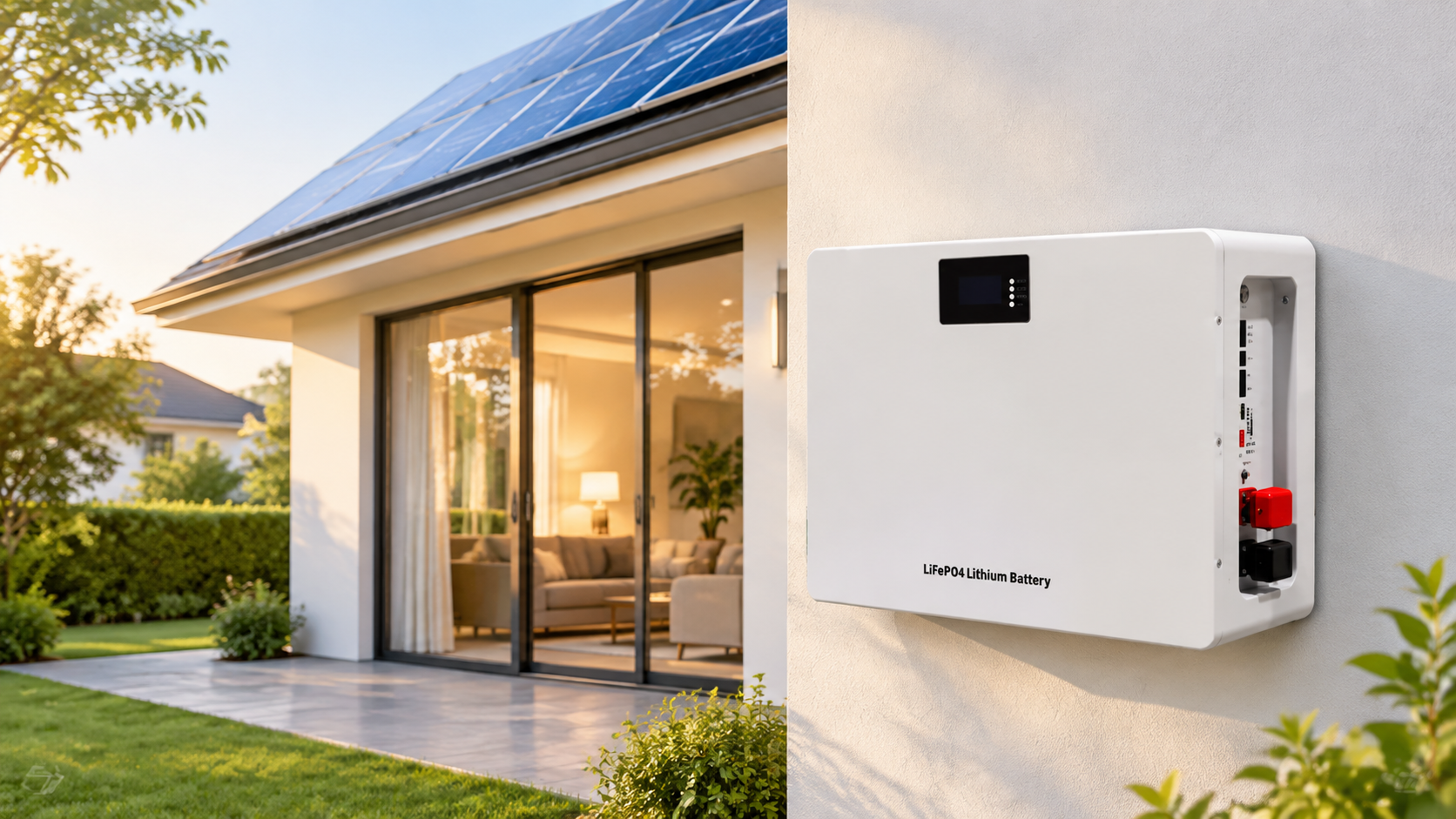 As energy costs rise and power needs grow, more homes and businesses are looking for better ways to manage electricity. Energy storage batteries offer a practical solution. They store power when it is available and release it when it is needed.
Today, solar batteries are widely used with solar panels to help users make better use of clean energy. They can also provide backup power during grid outages.
But how do these systems work? And how can you choose the right one? This guide covers the basics and introduces energy storage solutions from HENGNOVA.
What Are Energy Storage Batteries?
Energy storage batteries store electrical energy for later use. They can charge from solar panels, the power grid, or other power sources. When electricity is needed, they release the stored energy to supply homes, shops, or factories.
Most modern solar storage systems use lithium batteries, especially lithium iron phosphate (LiFePO₄) batteries. They are popular because they offer a long cycle life, stable performance, and built-in safety features.
Depending on the application, energy storage batteries can be wall-mounted, floor-standing, stackable, or rack-mounted.
How Do Solar Batteries Work?
If you are wondering how do solar batteries work, the process is simple.
First, solar panels collect sunlight and turn it into DC electricity. Next, a solar inverter manages the power and converts it into usable AC electricity for home appliances.
When solar panels produce more power than the home needs, the extra energy can charge the battery. Later, when sunlight is low or electricity demand is high, the battery sends stored power back to the system.
This process helps users use more of their own solar energy instead of relying fully on the grid.
How Do Energy Storage Systems Work?
To understand how do energy storage systems work, it helps to look at their main parts:
-
Battery: Stores electrical energy for later use.
-
Inverter: Converts DC power into AC power for electrical devices.
-
BMS: Monitors battery status and helps protect against overcharging, over-discharging, and other risks.
-
Solar controller: Manages the power from solar panels and controls battery charging.
These parts work together to manage energy. For example, a home system can store extra solar power during the day and use it at night. It can also provide backup power when the grid fails, depending on the system design.
Main Benefits of Solar Batteries
Adding solar batteries to an energy system can bring several benefits.
1. Use More Solar Energy
Store extra power during sunny hours and use it later. This can reduce the amount of electricity you need to buy from the grid.
2. Get Backup Power
A home battery backup system can supply selected appliances or larger household loads during a power outage. The backup time depends on battery capacity and energy use.
3. Manage Energy Costs
With the right system and local electricity plan, users can store power when it is cheaper and use it when electricity prices are higher.
4. Support Off-Grid Power
In areas with limited grid access, solar panels and batteries can work together to provide a more independent power supply.
How to Choose the Best Solar Battery Backup System for Home
The best solar battery backup system for home use depends on your power needs, budget, and installation space. Before buying, consider these key points.
Battery Capacity
Capacity is usually measured in kilowatt-hours (kWh). A larger capacity stores more energy and can support more appliances for a longer time. Check your daily power use before choosing.
Battery Type
LiFePO₄ batteries are a common choice for home storage. Look for quality battery cells and a reliable battery management system.
Inverter Compatibility
Make sure the battery works with your inverter. Communication protocols such as CAN and RS485 can help the two devices exchange operating data.
Installation and Expansion
Wall-mounted batteries can save floor space. Floor-standing models are suitable for larger home systems, while stackable batteries allow users to add capacity later.
Cycle Life and Safety
Check the rated cycle life and battery protection features. These details can help you understand long-term value and system reliability.
HENGNOVA Energy Storage Solutions for Different Needs
HENGNOVA specializes in OEM production of solar inverters and energy storage batteries. Its product range supports home, off-grid, and commercial applications.
Here are several practical solutions based on its product range.
1. Wall-Mounted Batteries for Home Backup
For homes with limited installation space, HENGNOVA offers 25.6V wall-mounted LiFePO₄ batteries. Available capacities include 100Ah, 280Ah, and 314Ah.
These batteries feature Grade A cells and an intelligent BMS. They are designed for home energy storage and can work with compatible grid-tied or off-grid inverters.
2. Floor-Standing Batteries for Whole-Home Storage
For larger household energy needs, HENGNOVA offers 51.2V floor-standing batteries in 200Ah and 314Ah options. Higher-capacity models are also available for properties with greater power demand.
This type of system can support whole-home solar storage when correctly matched with the inverter and household load.
3. Stackable and Rack-Mounted Batteries for Commercial Use
Small businesses and industrial users may need more storage capacity. HENGNOVA's 51.2V stackable batteries allow capacity expansion as energy needs grow.
Rack-mounted models are also available for data centers and commercial energy storage projects. These options help system designers plan storage around different site requirements.
4. All-in-One Inverter and Battery Systems
HENGNOVA also provides integrated systems that combine a solar inverter, MPPT controller, BMS, and LiFePO₄ battery in one unit.
Depending on the model, these systems support solar charging, grid power, and UPS switching during outages. They offer a convenient option for users who want key energy components in one system.
Frequently Asked Questions
How long do solar batteries last?
Battery life depends on the cell type, usage, temperature, and charging conditions. HENGNOVA's LiFePO₄ battery products offer a cycle life of up to 8,000 cycles under suitable operating conditions.
Can solar batteries work without solar panels?
Yes. Some battery systems can charge from the power grid or another compatible source. However, they need a suitable inverter and charging setup.
How much battery capacity does a home need?
It depends on which appliances you want to run and how long you need backup power. List your essential loads and daily energy use before choosing a battery.
Conclusion
Energy storage batteries help homes and businesses store power, improve solar energy use, and prepare for grid outages. The right system depends on battery capacity, inverter compatibility, safety features, and future expansion needs.
From wall-mounted home batteries to stackable commercial systems, HENGNOVAoffers flexible energy storage options for different applications. Contact HENGNOVA to discuss a suitable battery and inverter solution for your project.


