Deep Cycle Battery Inverter: A Complete Buying Guide
News Details
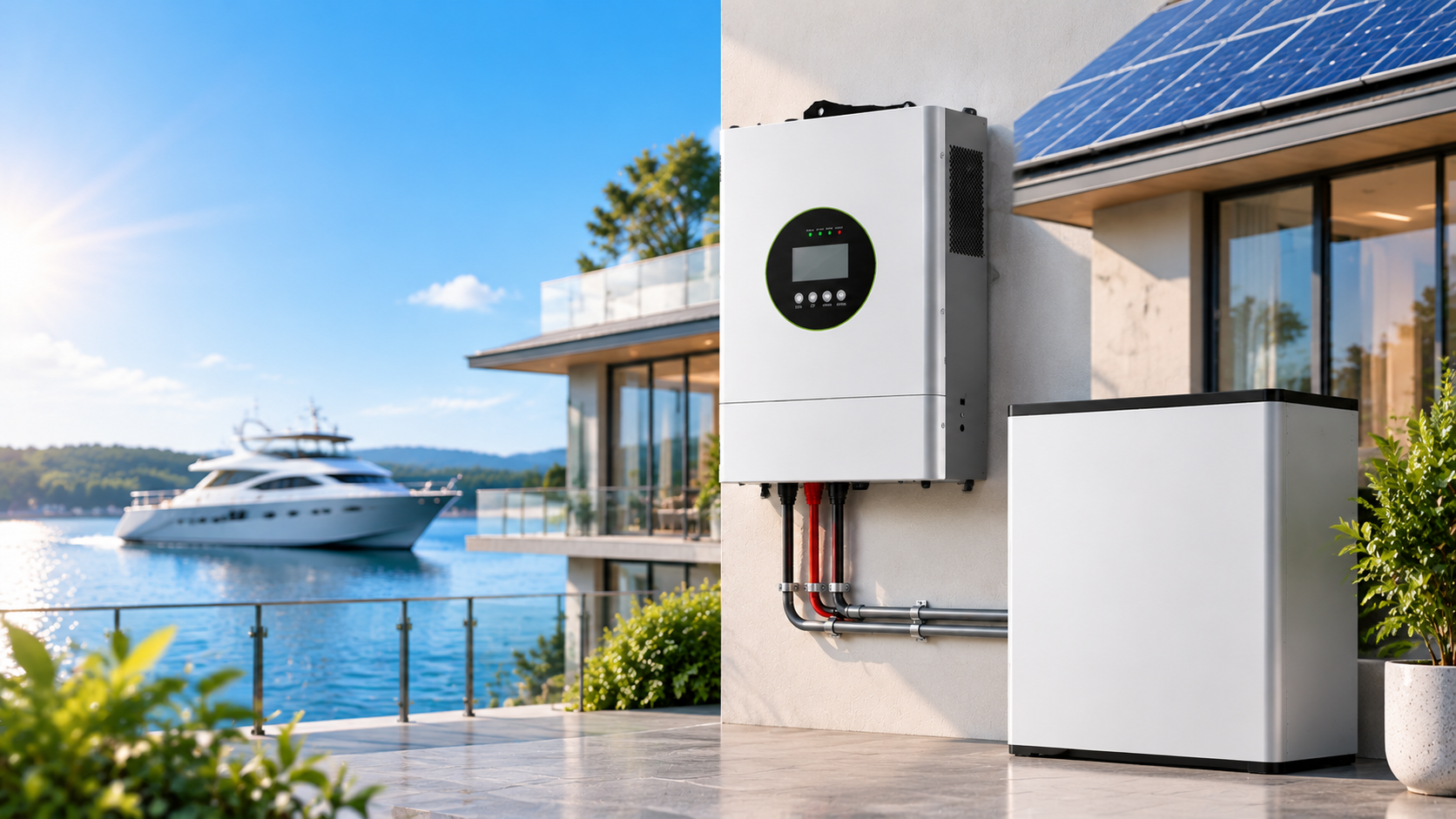
Reliable batteries and inverters are essential for any backup power system. They work together to store energy and supply electricity when the main power source is unavailable.
A deep cycle battery inverter system is a popular choice for homes, boats, recreational vehicles, and off-grid sites. Unlike a car starting battery, a deep cycle battery can provide stable power over a longer period. It is also designed to withstand repeated charging and discharging cycles.
However, choosing the right battery and inverter requires careful planning. You need to consider factors such as battery capacity, voltage, power output, and daily energy consumption.
In this guide, we explain how deep cycle battery systems work and introduce practical solutions from HENGNOVA.
What is a deep cycle battery inverter?
A deep cycle battery inverter system combines a rechargeable battery with an inverter.
The battery stores DC power. The inverter then converts this power into AC electricity for devices such as lights, refrigerators, pumps, and other appliances.
These systems are widely used in:
-
Home backup power systems
-
Solar energy storage
-
Boats and marine applications
-
Recreational vehicles and camping equipment
-
Remote buildings and off-grid sites
-
Commercial backup power systems
Deep cycle batteries are designed for regular energy usage. Therefore, they are more suitable for many energy storage applications than standard car batteries.
How does a deep cycle inverter work?
A deep cycle inverter draws power from the battery and converts it into usable AC electricity.
The process is simple:
-
A power source, such as solar panels or a charger, charges the battery.
-
The battery stores electricity for later use.
-
When needed, the inverter draws DC power from the battery.
-
The inverter converts it into AC power for connected devices.
Some modern hybrid inverters can also manage solar panels, grid power, and battery charging within a single system.
This makes them ideal for homes and businesses that require a flexible power supply.
How to choose a deep cycle battery and power inverter
Selecting the right deep cycle battery and power inverter involves more than just checking the price. The two products must work well together.
1. Check Battery Voltage
Common battery system voltages include 12V, 24V, and 48V. Make sure the inverter supports the battery voltage before purchasing.
2. Calculate Battery Capacity
Battery capacity is typically measured in ampere-hours (Ah) or kilowatt-hours (kWh).
A larger capacity means more stored energy and longer backup time. Start by calculating the power requirements of your appliances.
3. Check Inverter Output
The inverter must provide sufficient power for all connected devices. Additionally, consider startup power. Refrigerators, water pumps, and motors may require extra power when starting.
4. Consider Battery Type
Lead-acid batteries usually have a lower upfront cost. However, LiFePO4 batteries offer a longer cycle life, reduced weight, and higher usable capacity in many applications.
For systems that undergo daily charging and discharging, lithium-ion batteries are often a worthwhile investment.
Marine battery for inverter: What you need to know
A marine battery for inverter application powers electrical equipment on boats and other marine vessels.
Unlike a starting battery, a deep cycle marine battery is designed to provide stable energy for longer periods. It can support equipment such as:
-
Navigation systems
-
Cabin lighting
-
Refrigerators
-
Communication devices
-
Small water pumps
-
Entertainment systems
When choosing a marine battery, consider its capacity, weight, size, and resistance to vibration.
LiFePO4 batteries are also worth considering due to their lightweight and long cycle life. However, not all household energy storage batteries are designed for marine use.
Before using on a boat, check the product's marine certification, enclosure rating, temperature limits, and installation requirements.
HENGNOVA Deep Cycle Battery and Inverter Solutions
HENGNOVA specializes in OEM solar inverters and energy storage batteries. Its product range covers home energy storage, off-grid power, and commercial applications.
Here are three practical system solutions based on our products.
1. Home Backup Power Solution
For homes that require reliable backup power, HENGNOVA offers 25.6V and 51.2V LiFePO4 batteries.
These batteries are available in wall-mounted, floor-standing, and other designs. Select models support up to 8,000 charge cycles and feature an intelligent Battery Management System (BMS).
When paired with a compatible inverter, they can store solar energy during the day and supply power at night or during outages.
2. Off-Grid Power Solution
Remote homes and rural buildings may not have access to a stable grid.
HENGNOVA offers hybrid and off-grid inverters ranging from 1.2kW to 15kW. These products support lithium-ion and lead-acid batteries, with built-in MPPT solar charging on select models.
This setup can provide power for lighting, household appliances, and other essential loads.
3. Commercial Energy Storage Solution
Small factories, shops, and offices often require greater storage capacity.
HENGNOVA offers stackable and rack-mounted LiFePO4 batteries. These designs allow users to expand battery capacity as their energy needs grow.
For larger projects, compatible three-phase hybrid inverters can support commercial power requirements and backup loads.
Why choose HENGNOVA?
HENGNOVA provides battery and inverter products for diverse energy storage needs.
Key advantages include:
-
Flexible battery options: 25.6V and 51.2V LiFePO4 models.
-
Long cycle life: Select batteries support up to 8,000 cycles under specified test conditions.
-
Intelligent protection: Built-in BMS helps protect battery operation.
-
Flexible installation: Wall-mounted, floor-standing, stackable, and rack-mounted designs.
-
OEM services: Product customization for different markets and project requirements.
These options help distributors, solar installers, and project developers find suitable energy storage products.
Frequently Asked Questions
Can I use a deep cycle battery with any inverter?
No. The battery voltage, charging settings, and current limits must be compatible with the inverter. Always verify compatibility before installation.
Is LiFePO4 suitable for deep cycle inverter systems?
Yes. LiFePO4 batteries are widely used in solar and backup systems because they offer a long cycle life and high usable capacity.
How long can a deep cycle battery run an inverter?
It depends on battery capacity, inverter efficiency, and connected loads. Generally, a larger battery can provide power for a longer duration.
Can I use a marine battery for a household inverter?
Yes, if its voltage, capacity, and charging requirements match the inverter. However, ensure the battery is suitable for the intended installation environment.
Conclusion
A deep cycle battery inverter system can provide reliable power for homes, boats, recreational vehicles, and commercial sites.
The right setup depends on your power needs, battery capacity, and inverter compatibility. LiFePO4 batteries are a strong option for users who require regular charging and long-term energy storage.
With its range of lithium-ion batteries and hybrid inverters, HENGNOVA provides flexible solutions for solar storage, off-grid power, and backup applications.
Contact HENGNOVA to discuss your battery and inverter requirements.


