What is an energy storage battery?
energy storage battery
2026/11/26
Reading volume: 0
News Details
An energy storage battery is a device that saves electricity for later use. It takes power when supply is high or cheap, and gives it back when you need it. This simple idea helps solar systems work after sunset and protects sites from power cuts. This guide explains what these batteries are, how they work and what buyers should check before ordering.
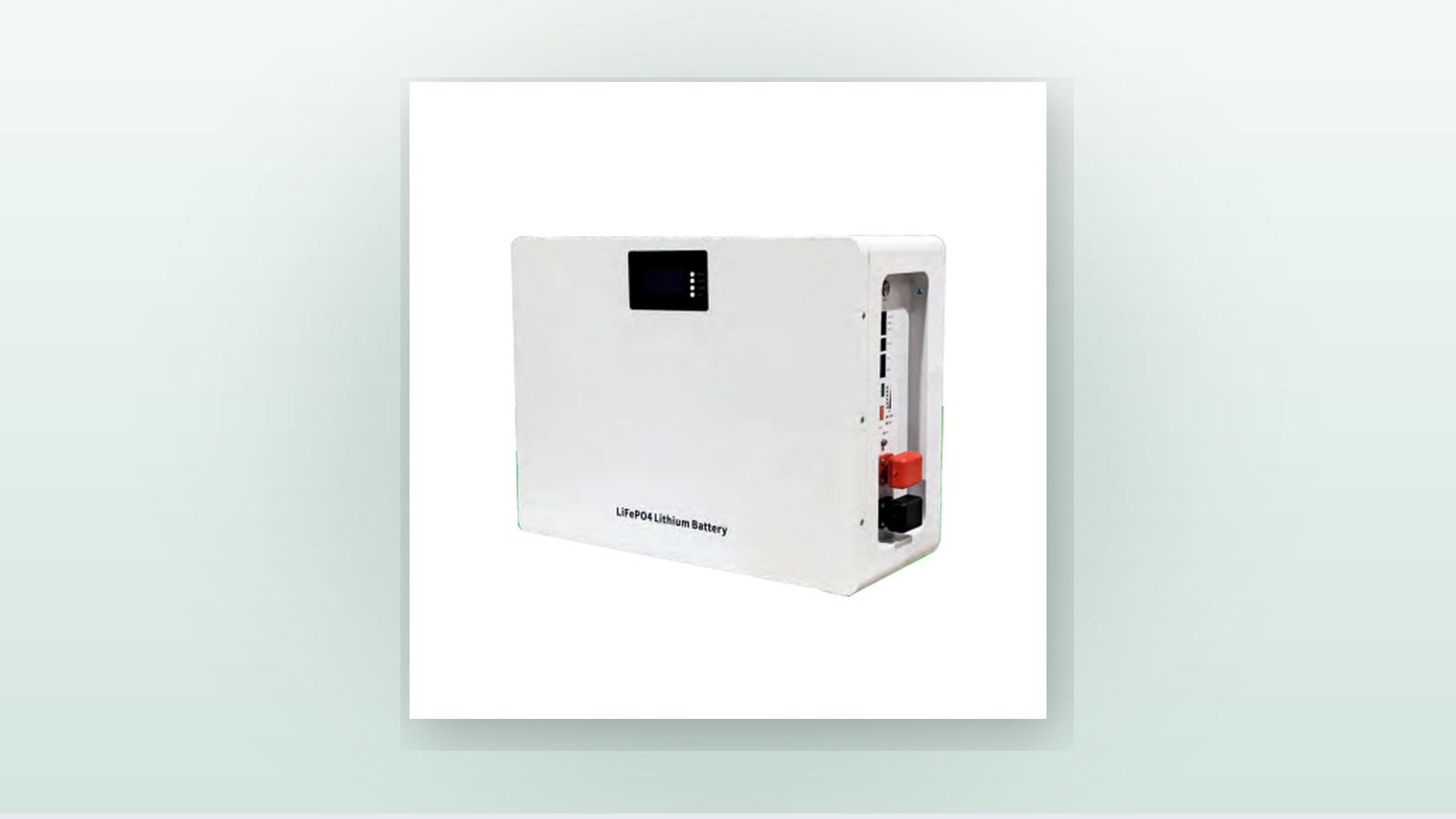
What Is an Energy Storage Battery?
An energy storage battery stores electrical energy as chemical energy. When you charge it, power from the grid or solar panels drives a chemical reaction inside the cells. When you use it, the reaction runs in reverse and sends power back out.
This makes the battery a buffer between energy supply and energy use. Solar panels make power only in daylight. Wind is also unpredictable. A battery stores the extra power and releases it when generation drops or demand rises.
An energy storage battery is built for long service, not for short bursts. Most systems aim for 10 to 20 years of use. You can see a real example in our energy storage battery product range.
How Does an Energy Storage Battery Work?
The process has two simple steps. During charging, electricity pushes ions inside the battery from one electrode to the other. The energy is held in the chemical bonds. During discharge, the ions move back. That flow creates an electric current that your loads can use.
A battery alone cannot do the whole job. It needs a battery management system, or BMS. The BMS watches voltage, current and temperature. It stops overcharging and deep discharge. It also balances the cells so the pack lasts longer.
For solar and grid use, you also need an inverter. The inverter turns the battery's direct current into alternating current. Our guide on AC power and inverters explains that part in plain words.
Types of Energy Storage Batteries
Different chemistries suit different jobs. Here is a quick overview:
- LFP (lithium iron phosphate): safe, long-lasting and widely used in solar and commercial storage.
- NMC (nickel manganese cobalt): higher energy density, useful where space is tight.
- Lead-acid: low cost, heavy and best for rare backup use.
- Flow batteries: good for long hours of discharge, with tanks that scale energy.
- Sodium-ion: a newer option that uses low-cost materials.
LFP leads most stationary projects today. If you want a deeper comparison of the main types, read our article on different battery energy storage systems.
Capacity (kWh) vs Power (kW)
These two numbers cause the most confusion. Capacity, measured in kilowatt-hours (kWh), tells you how much energy the battery holds. Power, measured in kilowatts (kW), tells you how fast it can deliver that energy.
Think of a water tank. Capacity is the tank size. Power is the width of the outlet pipe. A big tank with a small pipe holds a lot but drains slowly. A small tank with a big pipe drains fast but runs empty quickly.
For a project, define both numbers before you compare products. A 250 kW load may need a 250 kW converter. Whether you need 500 kWh or 2 MWh depends on how many hours you must run.
Energy Storage Battery Applications
Energy storage batteries serve three main groups of buyers:
- Homes: store daytime solar power for night use and keep key loads on during outages.
- Commercial and industrial sites: cut peak demand charges, shift solar power to expensive hours and back up critical equipment.
- Grid and utility projects: balance supply, support frequency and smooth out variable renewable generation.
The right size and chemistry depend on the job. A shop that wants to cut demand charges has very different needs from a remote site that runs all day on solar.
Energy Storage Battery Cycle Life
Cycle life is the number of full charge and discharge cycles a battery can handle before its capacity drops to a set level. An LFP pack often reaches 6,000 to 8,000 cycles or more. A lead-acid pack may manage only 300 to 500.
Cycle life shapes your total cost. A cheaper battery that needs early replacement can cost more over ten years. Ask how the cycle rating was tested, at what depth of discharge and at what temperature. These conditions change the real result.
Also check the warranty. A clear warranty states the years, the cycles and the minimum capacity you can expect.
Energy Storage Battery Safety Certifications
Big battery systems store a lot of energy in one place. Safety is not optional. Ask suppliers which tests their systems have passed. Common references include cell and pack safety standards, system safety standards and fire tests.
Do not accept a claim without evidence. Ask for the test reports and check that they cover the exact model you plan to buy. Also ask about the BMS, cooling design, fire suppression and emergency shutdown.
Local rules differ by country. Confirm what your market requires before you place an order. This step avoids costly delays at import or commissioning.
How to Choose an Energy Storage Battery Supplier
A good supplier does more than quote a price. Look for these points:
- System evidence: test reports, safety files and project references for the full system.
- Customisation: the ability to match voltage, capacity, enclosure and communication needs.
- Support: clear warranty terms, spare parts and technical help after delivery.
- Integration: compatibility with inverters and energy management software.
An OEM partner should understand your duty cycle and build around it. You can review integrated inverter and storage systems to see how storage and power conversion fit together.
Final Thoughts
An energy storage battery is more than a box of cells. It is a chemical store plus a management system, an inverter and a set of safety designs. The chemistry sets the baseline. The system design decides how well it works in the field.
Start with your power and runtime needs. Then compare capacity, cycle life and safety evidence. If you need a battery built to your specifications, contact our team. We can discuss your load profile, target market and custom requirements.
Share to:


