What Is a Solar Inverter and How Does It Work?
Learn what a solar inverter is, how a solar inverter works, and the main types of solar inverters. Discover their benefits, functions, efficiency, and how to choose the right solar inverter for your solar power system.
2026/08/17
Reading volume: 2
News Details
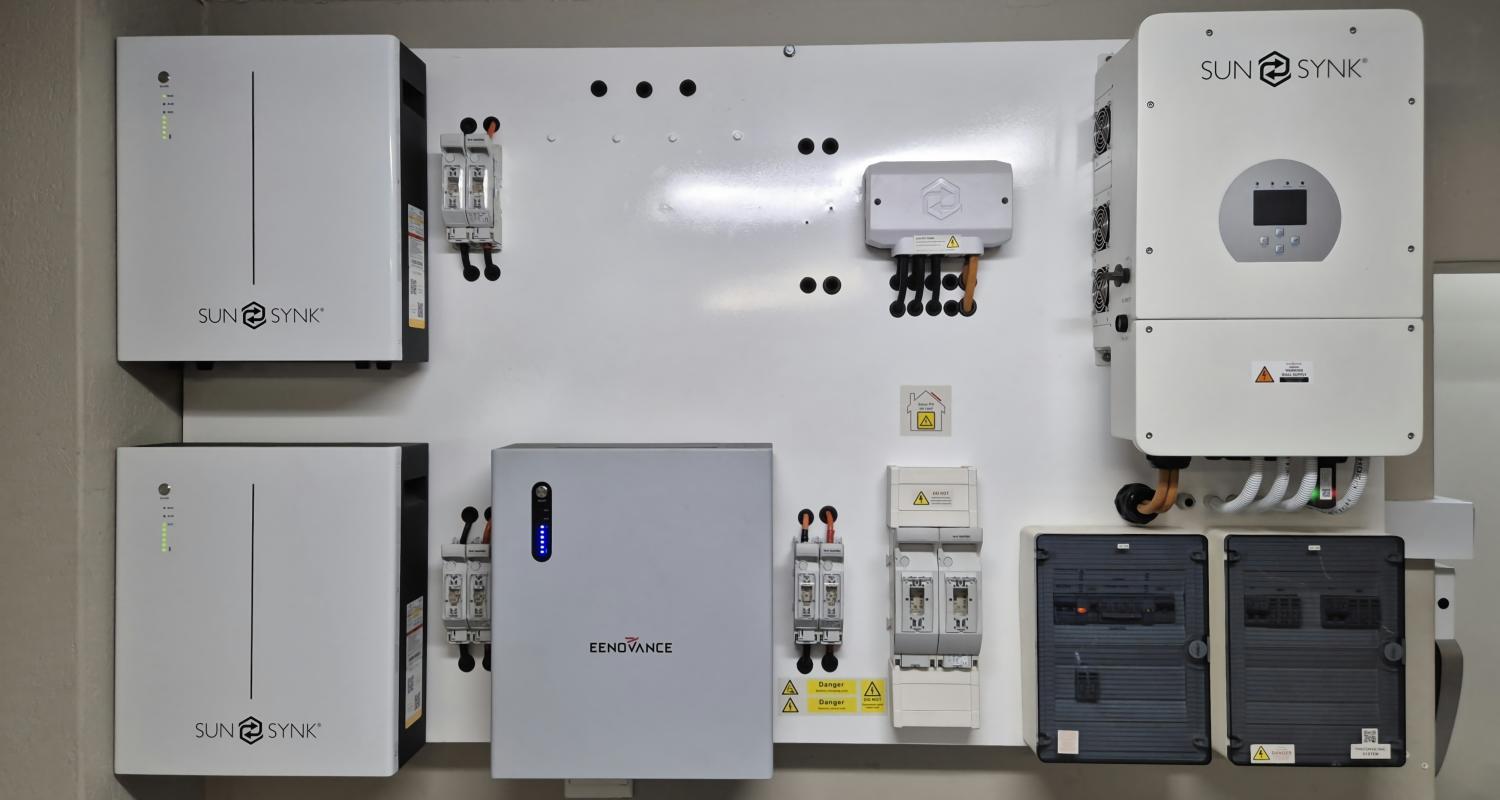
A solar inverter is one of the most important parts of a solar power system. It converts the electricity produced by solar panels into power that homes, businesses, and electrical equipment can use. In addition, a solar inverter can help manage energy, improve system safety, and support energy storage.
As solar energy becomes more common, understanding how a solar inverter works can help you choose the right system. This guide explains what a solar inverter is, how it works, the main types of solar inverters, and how to choose one for your solar project.
What Is a Solar Inverter?
A solar inverter is a device that changes direct current, also called DC power, into alternating current, or AC power.
Solar panels produce DC electricity when sunlight reaches the solar cells. However, most home appliances, commercial equipment, and power grids use AC electricity. Therefore, the electricity from the solar panels must pass through a solar inverter before it can be used in most applications.
Besides DC to AC conversion, modern solar inverters can perform several other tasks. For example, they can monitor power production, manage grid connection, detect faults, and work with batteries.
How Does a Solar Inverter Work?
The basic working process of a solar inverter is simple.
First, solar panels absorb sunlight and produce DC electricity. Next, the DC electricity flows to the solar inverter. The inverter then converts the DC power into AC power.
After that, the AC electricity can be used by electrical loads in a home, factory, office, or commercial building. If the solar system produces more electricity than the site needs, the extra power may be stored in batteries or sent to the power grid, depending on the system design.
The basic process is:
- Solar panels capture sunlight
- Solar panels produce DC electricity
- The solar inverter receives the DC power
- The inverter converts DC power into AC power
- Electrical equipment uses the AC electricity
- Extra power can be stored or sent to the grid
As a result, the solar inverter acts as the key link between solar panels and the electrical system.
What Are the Main Types of Solar Inverters?
Different solar projects need different inverter designs. Therefore, it is important to understand the main types before choosing a solar inverter.
String Solar Inverter
A string inverter connects several solar panels into one or more groups called strings. The DC electricity from each string is sent to the inverter for conversion.
String inverters are widely used because they are simple, reliable, and cost effective. They are often suitable for homes, commercial buildings, and solar projects with simple roof layouts.
However, the performance of the whole string can be affected if one panel has shading or a performance problem.
Micro Solar Inverter
A microinverter is installed on an individual solar panel. Instead of sending DC power from several panels to one central inverter, each panel converts its own DC power into AC power.
This design can be useful when a roof has different directions, partial shading, or complex layouts. It also allows panel-level monitoring.
However, microinverters usually have a higher upfront cost than traditional string inverters.
Hybrid Solar Inverter
A hybrid solar inverter can work with both solar panels and batteries. It can manage solar power, battery charging, battery discharge, and energy use.
For this reason, hybrid inverters are becoming popular in residential and commercial energy storage systems.
During the day, solar power can supply electrical loads and charge the battery. Later, stored energy can be used when solar production is low.
Central Solar Inverter
Central inverters are designed for larger solar power systems. They can handle a high amount of electrical power and are often used in large commercial or utility scale solar projects.
Because of their high power capacity, central inverters can reduce equipment costs for large projects. However, they require careful system design and installation.
What Does a Solar Inverter Do Besides Power Conversion?
A modern solar inverter does much more than convert electricity. In fact, many smart inverters include several useful functions.
Solar Power Monitoring
Solar inverters can monitor power generation in real time. Users can check how much electricity the solar system is producing and identify changes in system performance.
Maximum Power Point Tracking
Many solar inverters use Maximum Power Point Tracking, or MPPT, technology. MPPT helps the system find the best operating point of the solar panels.
Because sunlight and temperature change during the day, the best operating point also changes. MPPT helps the solar system collect more usable energy under changing conditions.
System Protection
Solar inverters can also provide protection against problems such as overvoltage, overcurrent, overheating, and abnormal grid conditions.
These safety functions help protect the inverter and other parts of the solar power system.
Grid Management
Grid connected solar inverters must work with the local electrical grid. They can monitor grid voltage and frequency and respond when grid conditions change.
This function is important for safe and stable grid connected solar power systems.
Why Is a Solar Inverter Important for Solar Energy Systems?
A solar inverter is essential because solar panels do not normally produce electricity in the form that most electrical equipment can directly use.
Without an inverter, the DC power from solar panels would not be suitable for most AC appliances or grid connections.
Moreover, a high quality solar inverter can improve overall system performance. It can help manage energy, monitor the system, and provide important safety functions.
Therefore, the inverter should be considered as carefully as the solar panels when designing a solar power system.
How to Choose the Right Solar Inverter?
Choosing a solar inverter depends on several factors. First, you need to consider the size and type of your solar system.
Important factors include:
- Solar panel capacity
- Inverter rated power
- Battery requirements
- Grid connection requirements
- Number of MPPT channels
- System voltage
- Conversion efficiency
- Installation environment
- Monitoring functions
- Warranty and after sales support
For example, a small home solar system may need a compact string or hybrid inverter. In contrast, a large commercial solar project may require a high power central or commercial string inverter.
In addition, the inverter should be properly matched with the solar panel capacity. An incorrect match can reduce system performance or create operating problems.
What Is the Difference Between a Solar Inverter and a Hybrid Inverter?
A standard solar inverter mainly converts solar panel DC power into AC power. A hybrid inverter can do this as well, but it also manages battery storage.
Therefore, a hybrid inverter is a good option for systems that need energy storage.
For example, during periods of strong sunlight, the hybrid inverter can send solar power to electrical loads while using extra solar energy to charge the battery. When solar production falls, the battery can provide power to the loads.
This can help improve solar energy use and reduce dependence on grid electricity.
How Efficient Is a Solar Inverter?
Solar inverter efficiency refers to how much DC electricity can be converted into usable AC electricity.
Modern solar inverters can reach high conversion efficiency. However, actual system performance depends on many factors, including solar panel output, temperature, load conditions, installation quality, and inverter operating conditions.
Therefore, it is better to look at overall system performance rather than efficiency alone.
How Long Does a Solar Inverter Last?
The service life of a solar inverter depends on its design, quality, operating environment, and maintenance.
Solar inverters generally have a shorter service life than solar panels. Solar panels can often operate for decades, while an inverter may need replacement earlier.
However, proper installation, suitable operating conditions, regular inspection, and good maintenance can help extend inverter life.
For this reason, buyers should consider product quality and after sales service when selecting a solar inverter.
What Are the Benefits of Using a High Quality Solar Inverter?
A high quality solar inverter can bring several benefits to a solar power system.
First, it can provide stable power conversion. Second, advanced monitoring can make it easier to check system performance. Third, built in protection functions can improve system safety.
In addition, a reliable inverter can work with different solar system designs and may support batteries, remote monitoring, and smart energy management.
As a result, choosing the right inverter can improve the long term value of a solar energy project.
Conclusion: How Does a Solar Inverter Support Solar Power?
A solar inverter is the key device that connects solar panels with electrical loads, batteries, and the power grid. Its main job is to convert DC electricity from solar panels into AC electricity that can be used by most electrical equipment.
At the same time, modern solar inverters can monitor energy production, manage batteries, track maximum power output, and provide system protection.
Therefore, when planning a solar power system, it is important to select an inverter that matches the system size, energy needs, battery setup, and installation conditions. With the right solar inverter, a solar energy system can operate more efficiently, safely, and reliably.
Share to:


