What Are the Benefits of Using a High Efficiency Solar Inverter?
Discover the benefits of using a high efficiency solar inverter, including lower energy loss, higher power output, better energy savings, and reliable solar system performance.
2026/08/17
Reading volume: 1
News Details
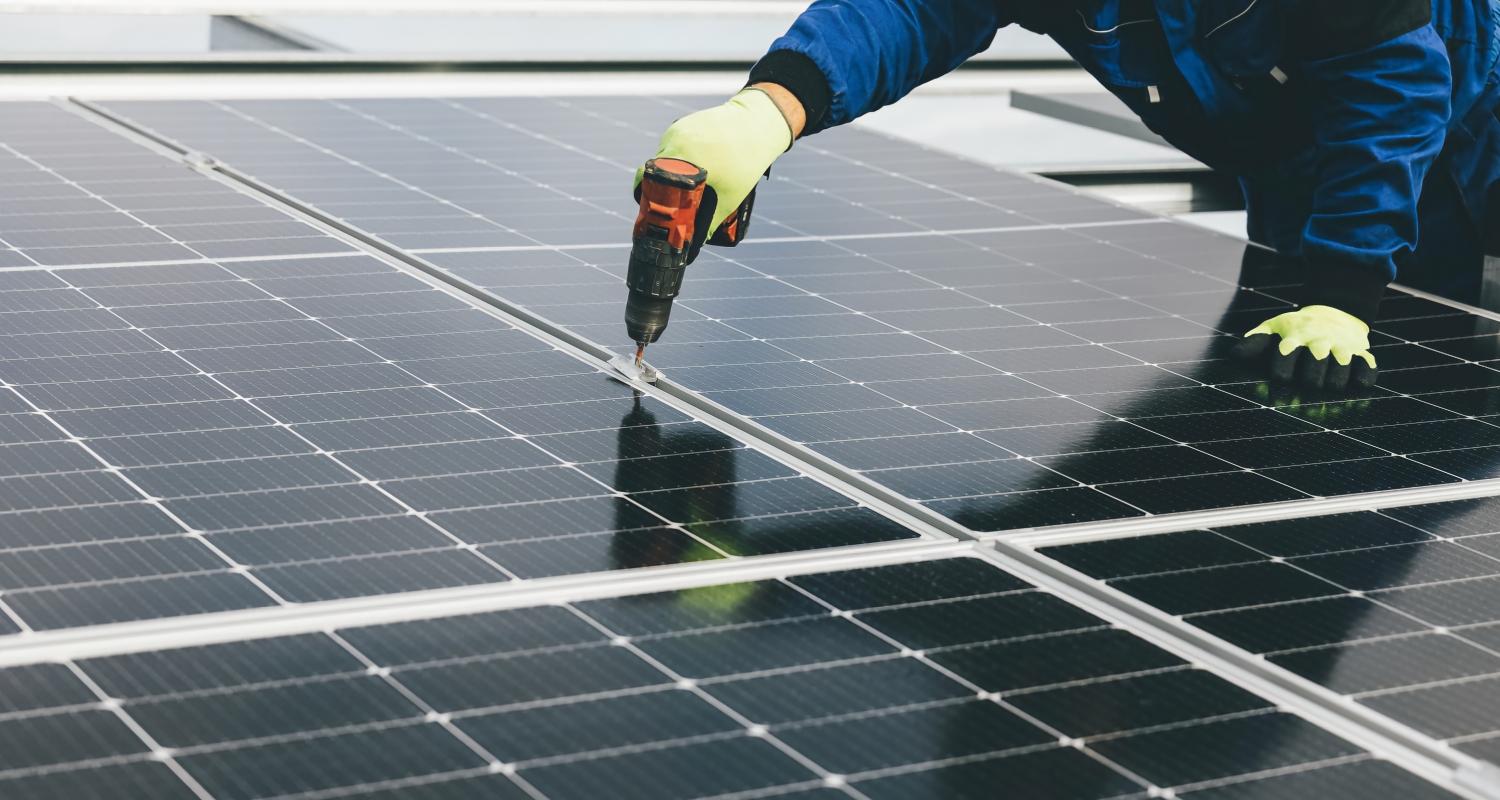
A high efficiency solar inverter is a key part of a modern solar power system. It converts the direct current generated by solar panels into alternating current that homes, businesses, and other facilities can use. More importantly, a high efficiency solar inverter can help reduce energy loss and improve the overall performance of a solar system.
As solar power becomes more common, choosing the right inverter is just as important as choosing good solar panels. So, what are the main benefits of using a high efficiency solar inverter? Let us take a closer look.
What Is a High Efficiency Solar Inverter?
A high efficiency solar inverter is designed to convert solar energy with very low power loss. Solar panels produce DC power, while most electrical equipment uses AC power. Therefore, the inverter plays a key role in making solar energy usable.
A standard inverter may already provide good performance. However, a high efficiency solar inverter can convert more of the available solar power into usable electricity. As a result, less energy is wasted during the conversion process.
For solar projects, this can mean better energy output, lower operating costs, and stronger long term value.
How Does a High Efficiency Solar Inverter Improve Solar Power Output?
One of the biggest benefits of a high efficiency solar inverter is better energy conversion.
When solar panels produce electricity, some energy can be lost during the DC to AC conversion process. A high efficiency inverter reduces this loss through better power conversion technology and smart control systems.
Therefore, more of the electricity produced by the solar panels can reach the load or battery system. Over time, even a small improvement in efficiency can lead to a meaningful increase in usable energy.
This is especially useful for commercial and industrial solar systems where every unit of electricity matters.
What Are the Energy Saving Benefits of a High Efficiency Solar Inverter?
A high efficiency solar inverter can help improve the energy savings of a solar power system.
First, it reduces conversion losses. Second, it can work with solar panels more effectively under different operating conditions. As a result, the system can make better use of available sunlight.
For example, when sunlight changes during the day, a smart inverter can adjust its operating point to maintain efficient power conversion. This helps the solar system produce useful power for a longer period.
Therefore, better inverter efficiency can support higher energy savings over the full life of the solar system.
Can a High Efficiency Solar Inverter Reduce Solar System Costs?
Yes. Although a high efficiency solar inverter may have a higher initial cost, it can help reduce long term energy costs.
Higher conversion efficiency means more solar power can be used instead of lost. This can increase the return on investment of the entire solar system.
In addition, a high quality inverter may include smart monitoring and protection functions. These features can help users find system problems early and reduce unnecessary maintenance.
So, when choosing an inverter, it is better to consider total system value rather than only the purchase price.
How Does a High Efficiency Solar Inverter Support Energy Storage?
A high efficiency solar inverter can also work well with battery energy storage systems.
In a solar and storage system, electricity may need to pass through several conversion stages. Each stage can create energy loss. Therefore, efficient power conversion becomes even more important when batteries are included.
A high efficiency hybrid solar inverter can help manage solar power, battery charging, battery discharging, and household or commercial loads. Depending on the system design, it can also help users store excess solar power and use it when solar production is low.
As a result, an efficient inverter can improve the overall performance of a solar energy storage system.
What Are the Reliability Benefits of a High Efficiency Solar Inverter?
Efficiency is important, but reliability matters too.
A well designed high efficiency solar inverter can include multiple protection functions. These may include overvoltage protection, overcurrent protection, overheating protection, and short circuit protection.
Furthermore, advanced monitoring systems can provide real time information about inverter performance. Users can check power generation, system status, and possible faults more easily.
Because of this, a reliable inverter can help keep the solar system running safely and smoothly.
How Does a High Efficiency Solar Inverter Support Long Term Solar Investment?
A solar power system is usually a long term investment. Therefore, the performance of each major component matters.
A high efficiency solar inverter can increase the amount of usable electricity generated from the same solar array. Over many years, this additional energy can make a noticeable difference.
Moreover, better efficiency can help reduce energy waste and improve the overall value of the system. For businesses, this can support lower electricity costs and better control of energy use.
In other words, choosing an efficient inverter is not only about today's performance. It is also about long term system value.
Why Choose a High Efficiency Solar Inverter for Commercial Solar Projects?
Commercial and industrial projects often have high energy demand. Therefore, inverter efficiency can have a direct impact on operating costs.
A high efficiency solar inverter can help commercial users make better use of their solar energy. It can also support larger solar arrays, energy storage systems, and smart energy management.
In addition, many commercial projects need remote monitoring and easy system management. Modern solar inverters can provide these functions through monitoring platforms and communication systems.
As a result, high efficiency inverters are a practical choice for factories, offices, warehouses, commercial buildings, and other large solar projects.
What Should You Consider When Choosing a High Efficiency Solar Inverter?
Efficiency should be an important factor, but it should not be the only one.
When choosing a high efficiency solar inverter, consider the following points:
- Conversion efficiency
- Rated power
- Maximum PV input voltage
- MPPT range
- Battery compatibility
- Protection functions
- Monitoring and communication
- Operating temperature range
- Installation method
- Warranty and technical support
In addition, make sure the inverter matches the solar panels, battery system, and local grid requirements. A well matched system can provide better performance and more stable operation.
High Efficiency Solar Inverter for Better Solar Energy Performance
A high efficiency solar inverter can provide several important benefits. It can reduce energy loss, improve usable power output, support energy savings, and increase the long term value of a solar power system.
Furthermore, advanced inverters can support battery storage, smart monitoring, and multiple safety functions. For this reason, they are becoming an important choice for residential, commercial, and industrial solar projects.
When planning a solar energy system, do not focus only on the price of the inverter. Instead, consider efficiency, reliability, compatibility, monitoring, and long term operating costs. By choosing the right high efficiency solar inverter, users can make better use of solar energy and build a more efficient and reliable power system.
Share to:


