How to Choose the Right Solar Inverter for Your Energy System
Learn how to choose the right solar inverter based on system size, voltage, battery storage, efficiency, energy loads, installation conditions, and grid requirements.
2026/08/17
Reading volume: 1
News Details
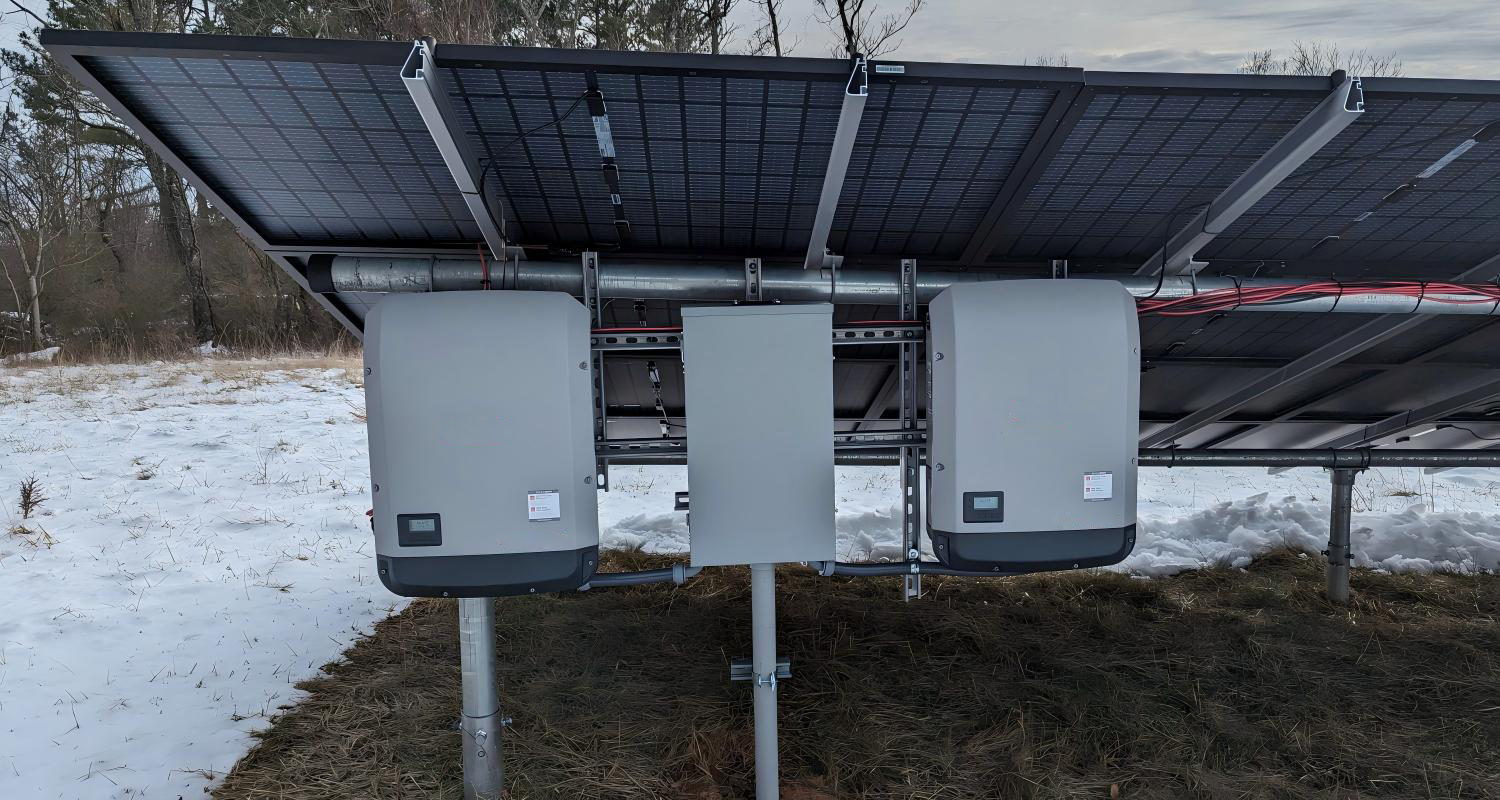
Choosing the right solar inverter is an important step when building a reliable solar power system. The inverter changes the DC power produced by solar panels into AC power that your home, business, or facility can use.
However, not every solar inverter fits every energy system. Your solar panel size, battery storage, energy use, grid connection, and future needs all affect the right choice. Therefore, it is important to compare key factors before making a decision.
What Is a Solar Inverter and Why Does It Matter?
A solar inverter is the main power conversion device in a solar energy system. Solar panels produce direct current, or DC power. Most homes and businesses use alternating current, or AC power. The inverter converts DC power into usable AC power.
At the same time, a good solar inverter can help improve system performance and safety. Depending on the model, it may also provide monitoring, grid support, battery control, and protection functions.
Therefore, choosing a suitable inverter can help you:
- Use more of the solar power you produce
- Improve overall system efficiency
- Support stable power output
- Connect solar panels with battery storage
- Monitor system performance
- Build a system that can meet future energy needs
How to Choose a Solar Inverter Based on System Size?
The first step is to match the inverter with your solar power system size. For example, a small residential system has very different needs from a large commercial or industrial project.
Start by checking the total rated power of your solar panels. Then, compare it with the inverter's rated power and recommended PV input range.
In many systems, the solar array can have a slightly higher capacity than the inverter. This can help the inverter operate closer to its useful output range for more hours of the day. However, the correct DC to AC ratio depends on the system design, location, and inverter specifications.
Therefore, do not select an inverter based only on the inverter's output power. Instead, consider the complete solar system.
How to Match Solar Inverter Input and Output Voltage?
Voltage matching is another key factor. Before buying a solar inverter, check the voltage range of your solar panels and battery system if batteries are included.
Pay attention to:
- Maximum PV input voltage
- MPPT voltage range
- Maximum input current
- Number of MPPTs
- AC output voltage
- Battery voltage range for hybrid models
The inverter's MPPT range is especially important. MPPT stands for Maximum Power Point Tracking. It helps the inverter find the best operating point of the solar panels as sunlight changes.
As a result, an inverter with suitable MPPT performance can help the system capture more available solar energy.
Should You Choose a String, Micro, or Hybrid Solar Inverter?
There are several common types of solar inverters. The best option depends on your system design.
String Solar Inverter
A string inverter connects several solar panels into one or more strings. It is widely used in residential, commercial, and industrial solar systems.
String inverters are often a good choice when the panels have similar conditions and limited shading. They can also provide a practical and cost-effective solution for many projects.
Microinverter
A microinverter is installed on individual solar panels or small groups of panels. This design allows each panel to work more independently.
Microinverters can be useful when a roof has different directions, partial shading, or complex layouts. However, the total system cost can be higher.
Hybrid Solar Inverter
A hybrid inverter can work with both solar panels and batteries. It can manage solar generation, energy use, battery charging, and battery discharge.
Therefore, a hybrid solar inverter is worth considering if you want energy storage, backup power, or better control of solar energy use.
How Does Battery Storage Affect Solar Inverter Selection?
If you plan to add batteries, your inverter choice becomes even more important.
A standard grid-tied inverter may not be designed to manage battery storage. In contrast, a hybrid solar inverter is built to work with solar panels and batteries in one system.
Before choosing a hybrid model, check:
- Battery voltage compatibility
- Maximum charging current
- Maximum discharge current
- Battery communication methods
- Supported battery types
- Backup power functions
- Maximum backup load
Also, think about your future plans. If you may add batteries later, choosing an inverter that supports energy storage from the beginning can make system expansion easier.
How Important Is Solar Inverter Efficiency?
Efficiency is one of the most important specifications to compare. It shows how effectively the inverter converts solar DC power into usable AC power.
A higher efficiency level can reduce conversion losses. However, efficiency should not be the only factor in your decision.
For example, an inverter with excellent efficiency may not be suitable if its voltage range, input current, or battery functions do not match your system.
Therefore, compare efficiency together with:
- MPPT performance
- Operating temperature range
- Input and output limits
- Standby power use
- Protection functions
- Monitoring features
This gives you a more complete view of inverter performance.
What Protection Features Should a Solar Inverter Have?
Safety is another important part of choosing a solar inverter. A quality inverter should include suitable protection functions for the planned application.
Common protection features may include:
- Overvoltage protection
- Overcurrent protection
- Short-circuit protection
- Overtemperature protection
- Surge protection
- Anti-islanding protection
- Ground fault protection
The exact protection functions vary by inverter model. Therefore, always check the technical specifications and required local standards before installation.
How Do You Choose a Solar Inverter for Grid-Tied or Off-Grid Use?
Your power system type also affects your choice.
For a grid-tied system, the inverter must meet the requirements for connecting to the local electrical grid. Grid voltage, frequency, protection functions, and certification are all important.
For an off-grid system, the inverter needs to manage loads without relying on the public grid. Battery charging and energy management are therefore more important.
For systems that need both grid connection and backup power, a hybrid inverter can provide a more flexible solution.
In short, first define how your energy system will operate. Then choose an inverter designed for that operating mode.
How Do Energy Loads Affect Solar Inverter Selection?
Your daily energy use is another key factor. A solar system should be designed around actual energy demand, not only the number of solar panels.
Check both your normal loads and peak loads. Some equipment, such as pumps, motors, air conditioners, and compressors, can require a high starting current.
Therefore, an inverter that looks suitable based on normal power use may not be enough for certain equipment.
Before choosing a model, make a list of major electrical loads and identify their rated power and starting requirements.
How Does the Installation Environment Affect Solar Inverter Choice?
The installation environment can affect inverter performance and service life.
For outdoor installation, look for a model with a suitable protection rating and a wide operating temperature range. For hot or dusty areas, strong heat management and suitable enclosure protection are especially important.
Also consider:
- Indoor or outdoor installation
- Ambient temperature
- Humidity
- Dust
- Ventilation
- Installation space
- Altitude
- Exposure to direct sunlight
A properly selected inverter can perform more reliably when it matches the actual installation conditions.
What Certifications Should You Check for a Solar Inverter?
Solar inverters must meet the standards required in their target market. Certification requirements can vary by country and application.
Before placing an order, check whether the inverter has the certifications and grid compliance documents required for your project.
For international solar projects, this step is particularly important. It can help avoid installation delays and compliance problems later.
How Can You Compare Solar Inverter Manufacturers?
The manufacturer is also an important part of the buying decision. Price matters, but it should not be the only consideration.
Instead, compare the manufacturer's:
- Product quality
- Technical specifications
- Warranty policy
- Product testing
- Technical support
- After-sales service
- Production capacity
- Customization options
- Experience in your target market
A reliable manufacturer should also provide clear product data and technical support. This makes system design, installation, and maintenance easier.
What Is the Best Solar Inverter for Your Energy System?
There is no single solar inverter that is best for every project. The right choice depends on your solar capacity, energy loads, battery plans, grid conditions, installation environment, and local requirements.
A simple selection process can help:
- Calculate your solar panel capacity.
- Review your daily and peak energy use.
- Decide whether you need battery storage.
- Choose the right inverter type.
- Match PV and battery voltage ranges.
- Check input current and MPPT requirements.
- Compare efficiency and protection functions.
- Confirm certifications and grid requirements.
- Review warranty and technical support.
- Choose a reliable solar inverter manufacturer.
By following these steps, you can reduce the risk of choosing an inverter that does not fit your energy system.
Final Thoughts on Choosing the Right Solar Inverter
The right solar inverter can improve the performance, safety, and flexibility of a solar energy system. However, the selection should always start with the complete system rather than one specification.
First, understand your energy needs. Next, check the solar array, battery storage, grid connection, and installation environment. Then, compare inverter efficiency, voltage range, protection, monitoring, certifications, and manufacturer support.
Most importantly, choose a solar inverter that matches both your current energy needs and your future plans. This approach can help you build a more reliable and cost-effective solar power system.
Share to:


