How Does a Solar Inverter Improve Solar Energy Performance?
Learn how a solar inverter improves solar energy performance through efficient power conversion, MPPT technology, energy management, power loss reduction, and battery support.
2026/08/17
Reading volume: 1
News Details
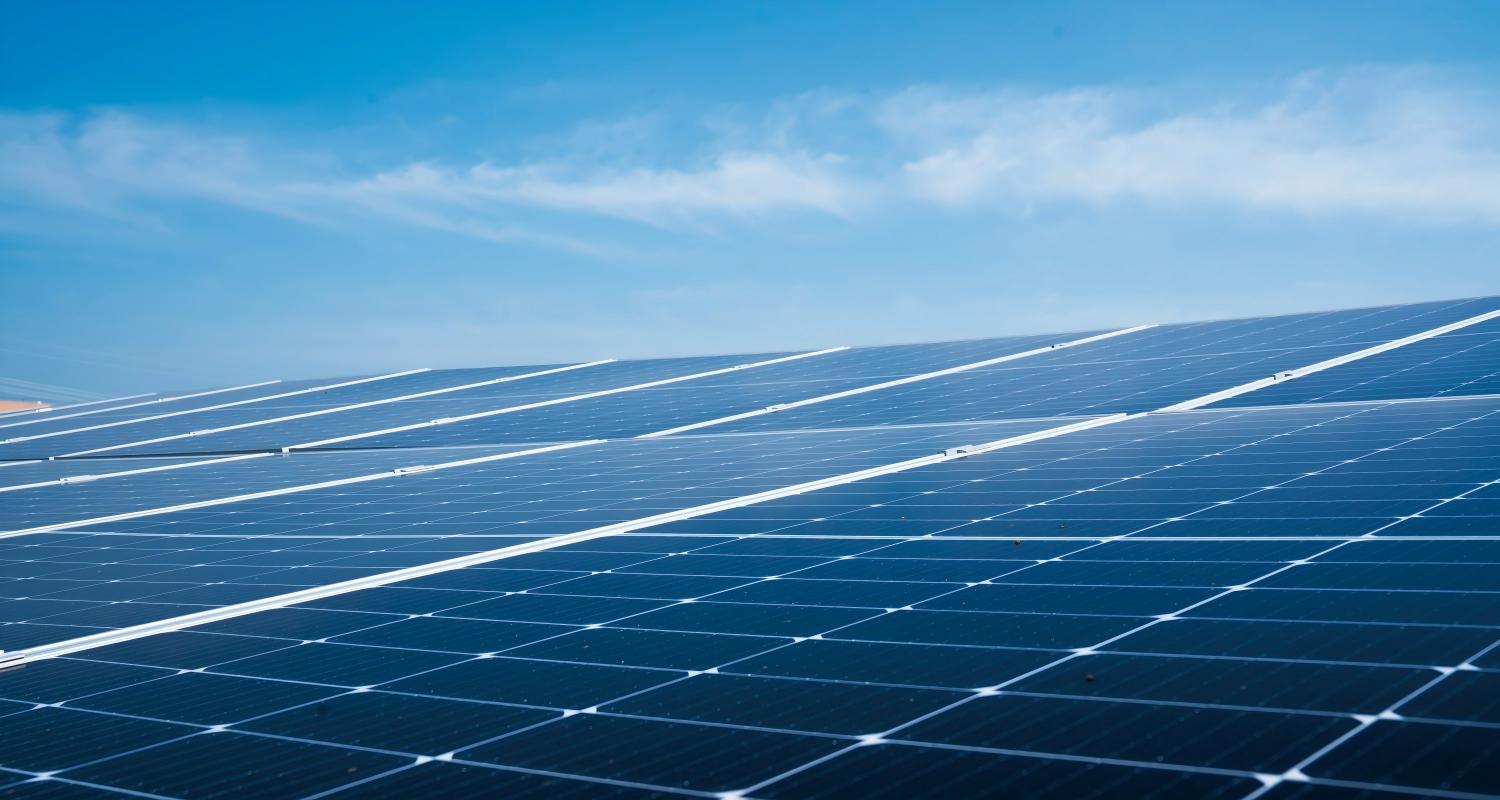
Solar energy systems are becoming more common for homes, businesses, and industrial sites. However, solar panels alone cannot deliver usable power directly to most electrical loads. A solar inverter plays a key role by converting solar power into usable electricity and helping the whole system work more efficiently.
So, how does a solar inverter improve solar energy performance? It does much more than convert DC power into AC power. A modern inverter can improve energy conversion, reduce power loss, manage solar output, and support safe and stable system operation.
How Does a Solar Inverter Convert Solar Energy Efficiently?
Solar panels produce direct current (DC) electricity. However, most homes, offices, and factories use alternating current (AC) electricity. Therefore, the solar inverter converts DC power from the panels into AC power that electrical devices can use.
A high-quality solar inverter can achieve high conversion efficiency. This means more of the energy produced by the solar panels becomes usable electricity.
At the same time, the inverter can reduce energy loss during power conversion. As a result, the solar system can deliver better overall energy performance.
How Does MPPT Improve Solar Inverter Performance?
Maximum Power Point Tracking, or MPPT, is an important inverter function. Solar panel output changes with sunlight, temperature, shading, and other conditions.
Without proper power tracking, a solar panel may not always work at its best operating point. However, an inverter with MPPT technology can continuously adjust the operating point of the solar panels.
Therefore, the inverter can capture more available solar power throughout the day. This is especially useful when sunlight changes quickly or when panels operate under different conditions.
How Does a Solar Inverter Reduce Solar Energy Loss?
Energy loss can happen at many points in a solar power system. For example, power can be lost during DC to AC conversion, wiring, and system operation.
A well-designed solar inverter helps reduce these losses through efficient power conversion and smart control. In addition, advanced inverter designs can manage voltage and current more effectively.
As a result, more of the electricity generated by the solar panels can reach the loads or energy storage system.
How Does a Solar Inverter Improve Solar System Stability?
Stable power is important for both residential and commercial solar systems. Solar output can change because of clouds, temperature, and other weather conditions.
A modern solar inverter monitors system conditions in real time. It can then adjust power output based on changes in the solar array and electrical loads.
Moreover, many advanced inverters include protection functions for overvoltage, overcurrent, overheating, and other abnormal conditions. These features help improve system safety and reliability.
How Does a Solar Inverter Work With Energy Storage?
Solar inverters can also improve the performance of solar systems with batteries. During periods of high solar production, extra electricity can be stored in a battery instead of being wasted.
Later, the stored energy can be used when solar production is low or when electricity demand is high.
Hybrid solar inverters are designed to manage solar panels, batteries, and electrical loads in one system. Therefore, they can help users make better use of solar energy throughout the day.
How Does a Solar Inverter Support Better Energy Management?
Energy management is another key benefit of modern solar inverters. Many inverters can monitor solar production, energy use, battery status, and system performance.
With real-time data, users can understand how their solar system is working. They can also find problems faster and adjust energy use when needed.
For commercial and industrial applications, this data can support better energy planning and help reduce unnecessary power costs.
Why Is Solar Inverter Efficiency Important for Solar Projects?
Solar panels can produce a large amount of electricity, but the final system performance depends on more than panel efficiency. The inverter is also an important part of the energy chain.
A highly efficient solar inverter can help:
- Increase usable solar energy
- Reduce conversion losses
- Improve solar power output
- Support stable system operation
- Improve battery charging and discharging
- Provide real-time system monitoring
- Reduce long-term energy waste
Therefore, choosing the right inverter is important when designing a high-performance solar energy system.
How Does the Right Solar Inverter Improve Long-Term Solar Performance?
Different solar projects have different needs. A residential system may focus on simple operation and energy savings. In contrast, a commercial or industrial project may require higher power capacity, advanced monitoring, battery support, and strong protection functions.
For this reason, the inverter should match the solar panel capacity, battery system, grid requirements, and application environment.
A suitable solar inverter can improve both daily energy output and long-term system reliability. In addition, proper installation, regular maintenance, and correct system design can further improve performance.
Conclusion: How Does a Solar Inverter Improve Solar Energy Performance?
A solar inverter is one of the most important parts of a solar power system. It converts DC electricity into usable AC power while also helping manage energy production and system operation.
With high conversion efficiency, MPPT technology, energy monitoring, protection functions, and battery support, a modern solar inverter can help solar systems produce and use energy more effectively.
Therefore, when planning a solar project, selecting a reliable and properly matched solar inverter is essential for achieving better solar energy performance, lower energy loss, and more stable long-term operation.
Share to:


