High Efficiency Solar Inverter Solutions for Global Energy Projects
Explore high efficiency solar inverter solutions for residential, commercial, industrial, and utility scale solar projects. Improve energy conversion, reduce power loss, and support reliable global solar energy systems.
2026/08/17
Reading volume: 1
News Details
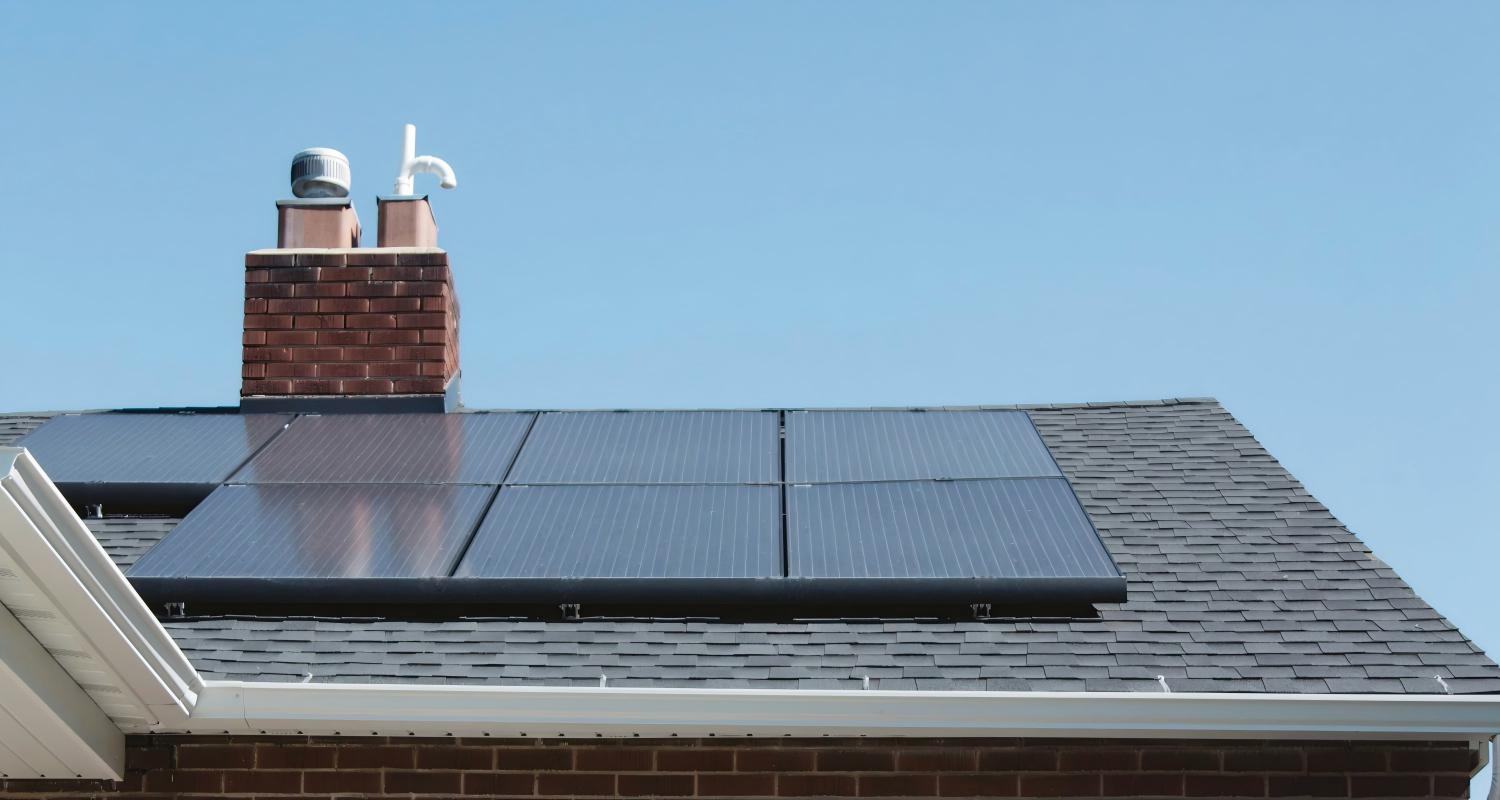
As the demand for clean energy grows, solar power is becoming an important part of the global energy mix. However, solar panels alone cannot deliver usable electricity. A reliable solar inverter is also needed to convert solar energy into stable power for homes, businesses, and large energy projects.
Today, high efficiency solar inverter solutions help improve energy output, lower power losses, and support stable system operation. Moreover, modern inverters offer smart monitoring, flexible system design, and strong safety features. As a result, they can meet the needs of many solar projects in different markets.
What Are High Efficiency Solar Inverter Solutions?
A solar inverter is a key part of a photovoltaic system. Solar panels produce direct current, also known as DC power. Most homes, businesses, and power grids use alternating current, or AC power. Therefore, the inverter changes DC power into AC power that can be used or sent to the grid.
High efficiency solar inverter solutions are designed to reduce energy loss during this process. They can also help improve the overall performance of a solar power system.
Depending on the project, solar inverters can be used in:
- Residential solar systems
- Commercial and industrial solar projects
- Large solar power plants
- Solar and battery storage systems
- Off-grid energy systems
- Microgrid projects
Because each project has different power needs, inverter selection should match the system size, voltage, grid type, and operating conditions.
Why High Efficiency Matters in Solar Inverter Systems
Efficiency is one of the most important factors when choosing a solar inverter. A small amount of energy loss may seem minor in a single system. However, the impact can become much larger in a commercial or utility-scale solar project.
A high efficiency inverter can convert more of the electricity produced by solar panels into usable power. As a result, the system can make better use of available solar energy.
In addition, high efficiency can provide several benefits:
- Higher energy conversion
- Lower power loss
- Better system performance
- Improved long-term energy output
- Lower operating costs
- Better return on solar investment
Therefore, project owners should look beyond the initial inverter price. They should also consider efficiency, reliability, service life, and total system cost.
Key Features of Modern High Efficiency Solar Inverters
Modern solar inverters are more than simple power conversion devices. They now include a range of functions that help improve system performance and control.
High Solar Energy Conversion Efficiency
Efficient power conversion is the core function of a modern solar inverter. Advanced inverter designs can help reduce conversion losses and make better use of the electricity produced by photovoltaic panels.
For large solar projects, even a small improvement in efficiency can lead to meaningful energy gains over time.
Smart Solar Inverter Monitoring
Modern systems often include smart monitoring functions. Users can check key data such as power output, energy production, voltage, and system status.
Furthermore, remote monitoring can make system management easier. If an issue occurs, operators can identify the problem faster and take action before it causes major losses.
Flexible Solar System Compatibility
Global solar projects can vary greatly in size and design. For this reason, flexible inverter solutions are important.
Depending on the product design, inverters can support different solar panel configurations, battery systems, and grid conditions. This makes them suitable for both small installations and larger commercial projects.
Reliable Protection and Safety
Safety is another important part of solar inverter design. A good inverter should include protection functions that help reduce risks caused by abnormal voltage, current, temperature, or grid conditions.
In addition, stable thermal management can help the inverter operate under different working conditions. This is especially important for solar projects installed in areas with high temperatures or changing weather.
How Solar Inverter Solutions Support Global Energy Projects
Solar energy projects are being developed in many regions around the world. However, local grid conditions, weather, regulations, and energy needs can be different.
Therefore, solar inverter solutions need to be adaptable.
For example, residential systems usually focus on easy operation, safe power conversion, and compact design. In contrast, commercial and industrial projects may require higher power, remote monitoring, and stronger system control.
Large solar power plants have even greater requirements. They need stable operation, high conversion efficiency, strong grid support, and easy maintenance.
As a result, selecting the right inverter solution is an important step in project planning.
High Efficiency Solar Inverters for Commercial and Industrial Projects
Commercial and industrial solar systems often have high daily energy demand. They may also operate for many hours each day. Therefore, energy conversion efficiency can have a direct impact on operating costs.
A high efficiency solar inverter can help these projects make better use of solar power. In addition, smart monitoring can help operators track system performance and find problems quickly.
For factories, warehouses, office buildings, and other large facilities, solar inverters can work as part of a complete energy solution. They can also be combined with battery storage to improve energy use and reduce dependence on grid power.
Solar Inverters for Utility Scale Solar Power Plants
Utility scale solar projects require reliable equipment that can operate for long periods. Because these systems can contain thousands of solar panels, even small efficiency losses can affect total power output.
For this reason, utility projects often place strong focus on:
- High conversion efficiency
- Stable grid connection
- Long service life
- Advanced monitoring
- Easy maintenance
- Strong environmental performance
- Scalable system design
With the right inverter solution, large solar plants can improve energy conversion and support stable power delivery.
Solar Inverters and Battery Energy Storage Systems
Solar power production changes with weather and daylight. During sunny hours, a solar system may produce more electricity than users need. At other times, production may be low.
Battery energy storage can help solve this problem.
When a solar inverter works with an energy storage system, excess solar power can be stored in batteries. Later, the stored energy can be used when solar production falls.
This combination can improve energy flexibility and help users make better use of renewable power. It is also useful for microgrids, backup power systems, and areas with unstable grid supply.
How to Choose the Right High Efficiency Solar Inverter
Choosing the right inverter requires more than checking its rated power. Project owners should look at several factors.
First, check the required system capacity. The inverter should match the expected solar power output and system design.
Next, consider the local grid conditions. Different countries and regions may have different grid standards and voltage requirements.
Then, check operating conditions. Temperature, humidity, dust, and installation location can all affect inverter performance.
It is also important to review:
- Conversion efficiency
- Input voltage range
- Output voltage
- Protection functions
- Monitoring options
- Battery compatibility
- Installation method
- Maintenance needs
- Warranty and technical support
By reviewing these factors together, project owners can select a more suitable solar inverter for long-term use.
The Role of Reliable Solar Inverter Manufacturers
The quality of the inverter is only one part of a successful solar project. Supplier experience and technical support are also important.
A reliable solar inverter manufacturer should understand different project needs. In addition, the manufacturer should provide clear product data, technical support, quality control, and after-sales service.
For international projects, flexible communication and customization can also be valuable. Different markets may require different electrical standards, product configurations, and system designs.
Therefore, working with an experienced supplier can make project planning and deployment easier.
Future Trends in High Efficiency Solar Inverter Technology
Solar inverter technology continues to develop as renewable energy demand increases. Future inverter systems are likely to focus more on efficiency, intelligence, energy storage, and grid support.
Smart energy management will become increasingly important. At the same time, solar inverters will work more closely with batteries, electric vehicles, smart grids, and other energy devices.
Furthermore, remote monitoring and digital control can make large solar systems easier to manage. These technologies can help improve system visibility and reduce maintenance time.
As the global energy market moves toward cleaner power, efficient and flexible solar inverter solutions will continue to play an important role.
Conclusion
High efficiency solar inverter solutions are essential for modern solar energy projects. They help convert solar power into usable electricity while reducing energy loss and improving system performance.
From residential installations to commercial facilities and utility scale solar plants, the right inverter can support better energy output, stable operation, and long-term value.
At the same time, project owners should consider more than efficiency alone. System compatibility, safety, monitoring, reliability, environmental conditions, and technical support are also important.
By choosing suitable solar inverter technology and a reliable supplier, global energy projects can make better use of solar power and move closer to a cleaner and more efficient energy future.
Share to:


