Energy Storage Battery Solutions for Residential and Commercial Use
Explore energy storage battery solutions for residential and commercial use, including solar storage, backup power, energy management, battery selection, and scalable systems.
2026/08/19
Reading volume: 0
News Details
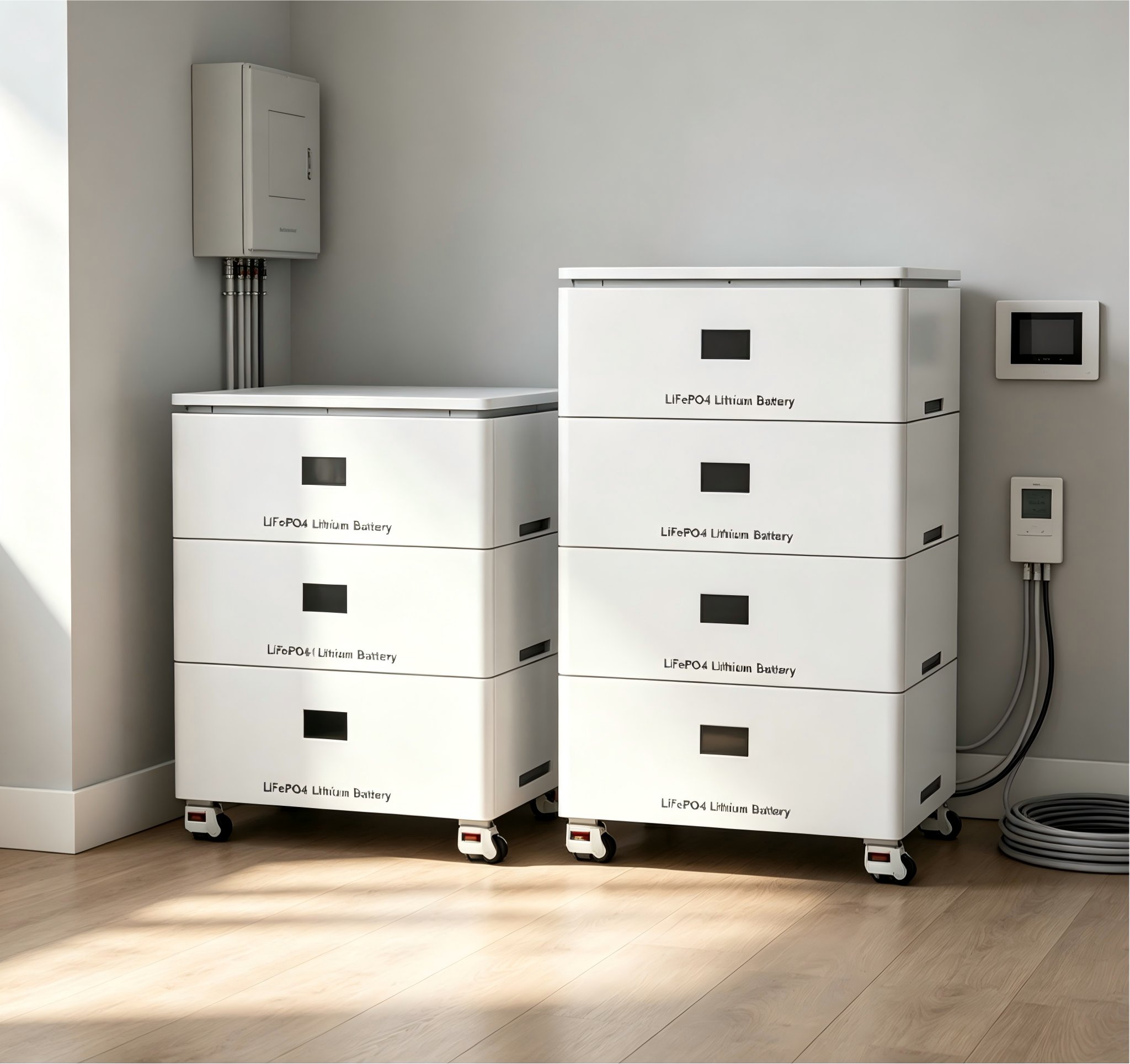
Energy storage battery solutions are becoming an important part of modern power systems. They help homes and businesses store electricity and use it when needed. As power costs rise and renewable energy becomes more common, battery energy storage can offer a simple way to improve energy use.
For residential users, an energy storage battery can store solar power during the day and provide electricity at night. For commercial users, a battery energy storage system can help reduce peak demand, manage energy costs, and provide backup power.
Therefore, choosing the right energy storage battery solution depends on the site's power needs, energy use, system size, and future plans.
What Are Energy Storage Battery Solutions for Homes and Businesses?
Energy storage battery solutions store electrical energy for later use. A typical system includes batteries, a battery management system, an inverter, and control equipment.
During periods of low demand or high solar production, the system charges the battery. Then, when electricity demand rises, the stored power can be used.
For homes, the system is usually smaller and focuses on daily energy use and backup power. In commercial settings, larger systems can support higher loads and more complex energy needs.
As a result, the same basic technology can be designed for different applications.
How Do Residential Energy Storage Batteries Work?
Residential energy storage batteries are often used together with solar panels. Solar panels generate electricity during the day. Instead of sending all unused power to the grid, the battery can store part of it.
Later, the stored energy can power lights, appliances, air conditioning, and other household equipment.
A typical home energy storage process includes:
- Solar panels generate electricity.
- Home appliances use available solar power.
- Extra electricity charges the battery.
- The battery stores energy for later use.
- Stored energy powers the home when solar production is low.
This setup can help homeowners make better use of their solar energy. It can also provide backup power when the grid has an outage, depending on the system design.
What Are the Benefits of Residential Energy Storage Batteries?
Residential battery storage offers several useful benefits. First, it allows homeowners to use more of the electricity generated by their solar system. This can reduce the need to buy power from the grid.
Second, battery storage can improve energy independence. Instead of relying fully on the grid, homeowners can keep stored electricity available for later use.
Third, a properly designed battery system can provide backup power. This is especially useful for important household loads such as refrigerators, lights, communication equipment, and home security systems.
In addition, smart energy management can help homeowners control when batteries charge and discharge.
How Do Commercial Energy Storage Battery Systems Work?
Commercial energy storage battery systems are designed for larger and more complex power needs. They can be connected with solar PV systems, the utility grid, generators, and other power sources.
For example, a business may charge its batteries when electricity demand is low. When demand increases, the stored energy can be discharged to support the building.
Commercial battery storage can be used in offices, factories, warehouses, shopping centers, hotels, farms, and other facilities.
Because commercial power use can change greatly during the day, battery storage gives businesses more flexibility in managing electricity.
What Are the Benefits of Commercial Battery Energy Storage?
Commercial battery energy storage can support both cost control and power reliability.
One major benefit is peak demand management. When electricity demand reaches a high level, stored battery power can help reduce the amount of power drawn from the grid.
Another benefit is solar energy use. Businesses with rooftop or ground-mounted solar panels can store excess solar power and use it when solar production falls.
Commercial energy storage can also support backup power and improve power supply flexibility. For facilities that depend on stable electricity, this added support can be valuable.
Moreover, battery systems can help businesses prepare for changing energy prices and growing renewable energy use.
How Do Energy Storage Batteries Support Solar Power Systems?
Solar energy and battery storage work well together because solar generation and electricity demand do not always happen at the same time.
For example, solar panels may produce the most electricity around noon, while a home or business may need more power in the evening. Without battery storage, some excess solar energy may not be used on site.
With an energy storage battery, excess electricity can be stored during the day. Then, it can be used later when solar output decreases.
This improves the overall use of renewable energy and can make a solar power system more flexible.
How to Choose the Right Energy Storage Battery Solution?
Choosing an energy storage battery requires more than looking at battery capacity. Several factors should be considered.
Battery Capacity and Power Output
Battery capacity shows how much energy the system can store, while power output shows how much electricity it can deliver at one time.
A home with basic backup needs may require a smaller system. In contrast, a factory or commercial building may need much higher capacity and power output.
Battery Chemistry
Different battery technologies offer different performance, cost, safety, and service life. Lithium-ion batteries, especially lithium iron phosphate batteries, are widely used in modern energy storage systems.
The best battery chemistry depends on the application and system design.
System Efficiency
Battery efficiency affects how much stored energy can actually be used. A well-designed system should reduce energy losses during charging and discharging.
Therefore, users should consider the full system efficiency instead of looking only at battery capacity.
Safety and Battery Management
Battery safety is also important. A reliable battery energy storage system should include suitable protection and a battery management system.
The battery management system can monitor key conditions such as voltage, temperature, and charge level. It can also help protect the battery during operation.
Installation Space
Available installation space can affect battery selection. Residential systems may need compact designs, while commercial projects may have dedicated battery rooms or outdoor installation areas.
Residential vs Commercial Energy Storage Battery Solutions
Residential and commercial battery systems use similar basic technology, but their requirements can be very different.
FeatureResidential Energy StorageCommercial Energy StorageSystem sizeSmall to mediumMedium to largeMain purposeSolar use and backup powerEnergy management and backupPower demandHousehold loadsLarger building or equipment loadsInstallationHome or garage areaIndoor or outdoor commercial spaceEnergy managementSimple to smartMore advancedSystem expansionUsually modularOften designed for larger growth
Therefore, the right solution should be selected according to actual power demand rather than simply choosing the largest battery available.
Why Choose Modular Energy Storage Battery Systems?
Modular battery systems offer more flexibility. Users can start with the capacity they need today and add more battery modules as energy demand grows.
For homeowners, this can make the initial investment easier to manage. For businesses, modular systems can support future expansion without replacing the entire energy storage system.
In addition, modular designs can make installation and maintenance more convenient when properly engineered.
What Is the Future of Residential and Commercial Battery Storage?
The demand for energy storage is expected to continue as solar power, electric vehicles, smart grids, and distributed energy systems become more common.
Residential users are looking for better ways to store solar energy and improve backup power. At the same time, businesses need more flexible tools to manage electricity costs and power demand.
As battery technology develops, energy storage systems are likely to become more efficient, smarter, and easier to expand.
Smart monitoring will also play a larger role. Users can monitor battery status, energy production, energy consumption, and system performance through digital platforms.
How to Get the Best Energy Storage Battery Solution?
The best energy storage battery solution should match the actual needs of the project. Before choosing a system, users should review daily electricity use, peak loads, solar generation, backup requirements, available installation space, and future energy demand.
For residential applications, the focus is usually on solar energy use, backup power, and household energy management. For commercial applications, peak demand control, energy cost management, solar integration, and system scalability may be more important.
With the right battery capacity, power rating, control system, and installation plan, energy storage can become a practical part of a modern energy system.
Conclusion: Energy Storage Batteries for a Smarter Energy Future
Energy storage battery solutions provide a flexible way to store and use electricity for both residential and commercial applications. They can work with solar power, support backup needs, improve energy management, and help users make better use of renewable energy.
For homes, battery storage can improve energy independence and provide reliable backup power. For businesses, commercial energy storage can support peak demand management, solar energy use, and long-term energy planning.
As a result, a properly designed energy storage battery system can help homes and businesses move toward a more efficient, reliable, and flexible energy future.
Share to:


