Complete Guide to Choosing the Right Solar Charge Controller
News Details
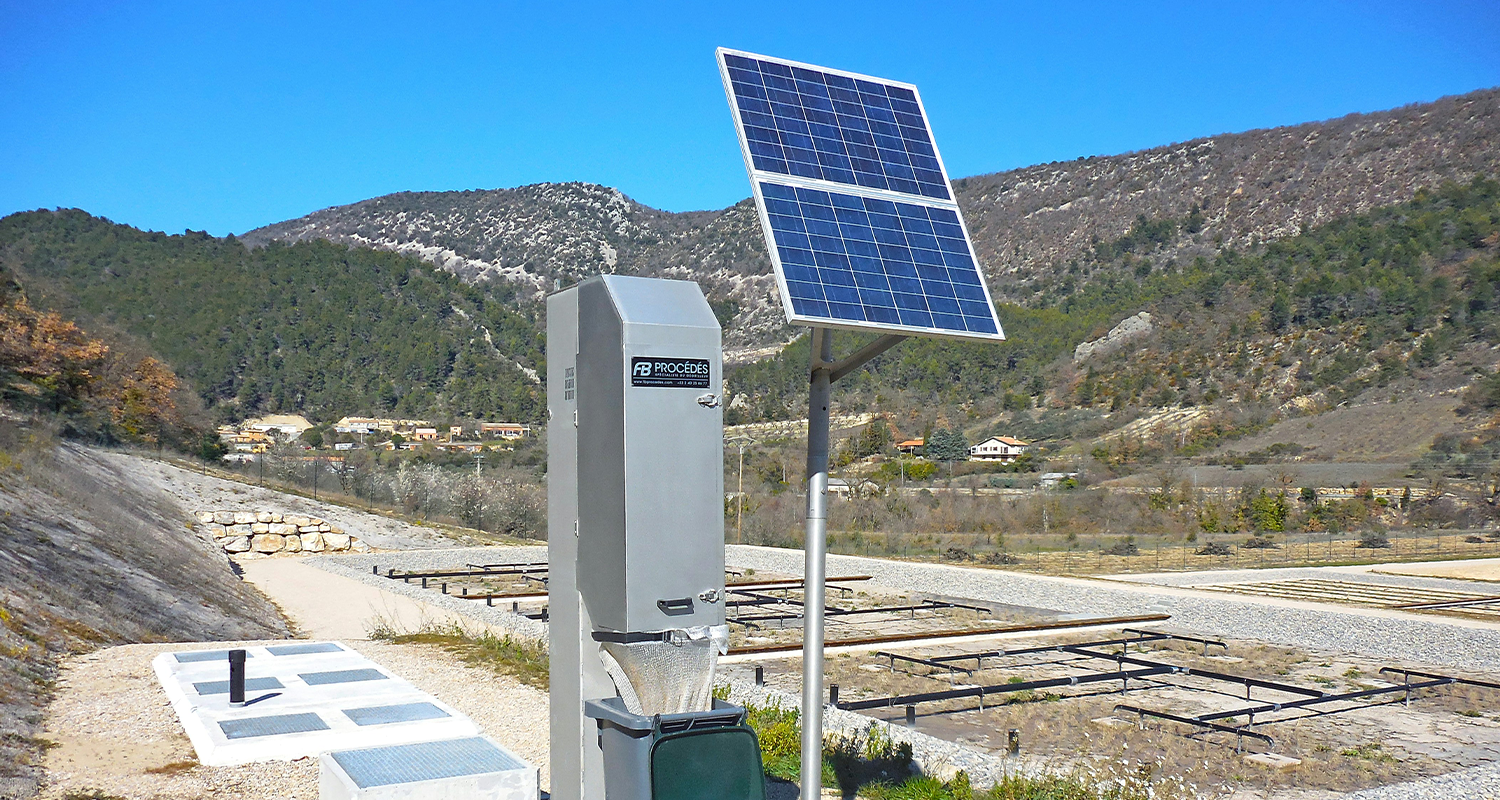
What Is a Solar Charge Controller and Why Do You Need One?
A solar charge controller is a vital part of any off-grid power setup. Basically, it sits between your solar panels and your batteries. When the sun shines, your panels generate electricity. However, if this electricity flows directly into your batteries without control, it can cause severe damage. Therefore, the main job of this device is to regulate the voltage and current coming from your solar panels.
In addition, a good controller stops your batteries from overcharging during peak daylight hours. Conversely, it also prevents reverse current leakage at night, ensuring power does not flow backward from your battery bank into the solar panels. Without this hardware, your battery lifespan would drop drastically due to thermal stress and chemical breakdown.
Key Features of Hengnova Solar Charge Controllers
When looking for reliable energy storage hardware, choosing the right manufacturer matters. Hengnova focuses on delivering high-performance solutions tailored for modern residential and off-grid applications. Their units stand out because of several distinct manufacturing attributes.
-
Advanced Regulation Tech: Hengnova integrates smart circuitry to support both Pulse Width Modulation (PWM) and Maximum Power Point Tracking (MPPT) architectures.
-
Automatic Voltage Detection: Most models easily identify whether your system runs on 12V or 24V configurations, making setup simple and fast.
-
Multi-Battery Compatibility: These controllers work safely with various battery chemistries, including traditional lead-acid, gel, and modern lithium iron phosphate (LiFePO4) variants.
-
Built-In Safety Protections: Every unit includes safeguards against short circuits, reverse polarity, and low-voltage disconnects to protect your entire electrical grid.
Comparing MPPT and PWM Solar Controllers
Before buying a device, you must understand the difference between the two main types of solar regulators available on the market.
-
PWM Controllers: These act like a fast electronic switch that gradually slows down the amount of energy sent to your batteries as they fill up. They work best for small, budget-friendly setups where panel voltages closely match battery voltages.
-
MPPT Controllers: These advanced units track the exact sweet spot of your solar panels to extract maximum power. Even if your panel voltage is much higher than your battery voltage, an MPPT device converts the excess voltage into extra current, boosting overall system efficiency by up to 30 percent.
How to Select the Correct Size for Your System
Choosing the right size depends heavily on your specific energy needs and panel capacity. First, check the maximum output current of your solar array. Always pick a controller that matches or exceeds this amperage rating. As a safe rule of thumb, experts recommend adding a 25 percent safety margin to handle unexpected power spikes.
Furthermore, consider your expansion goals. If you plan to add more solar panels later, buying a slightly larger controller now will save you money down the road. Partnering with trusted manufacturers like Hengnova ensures you receive durable hardware built to handle harsh weather conditions while keeping your power supply steady and secure.


